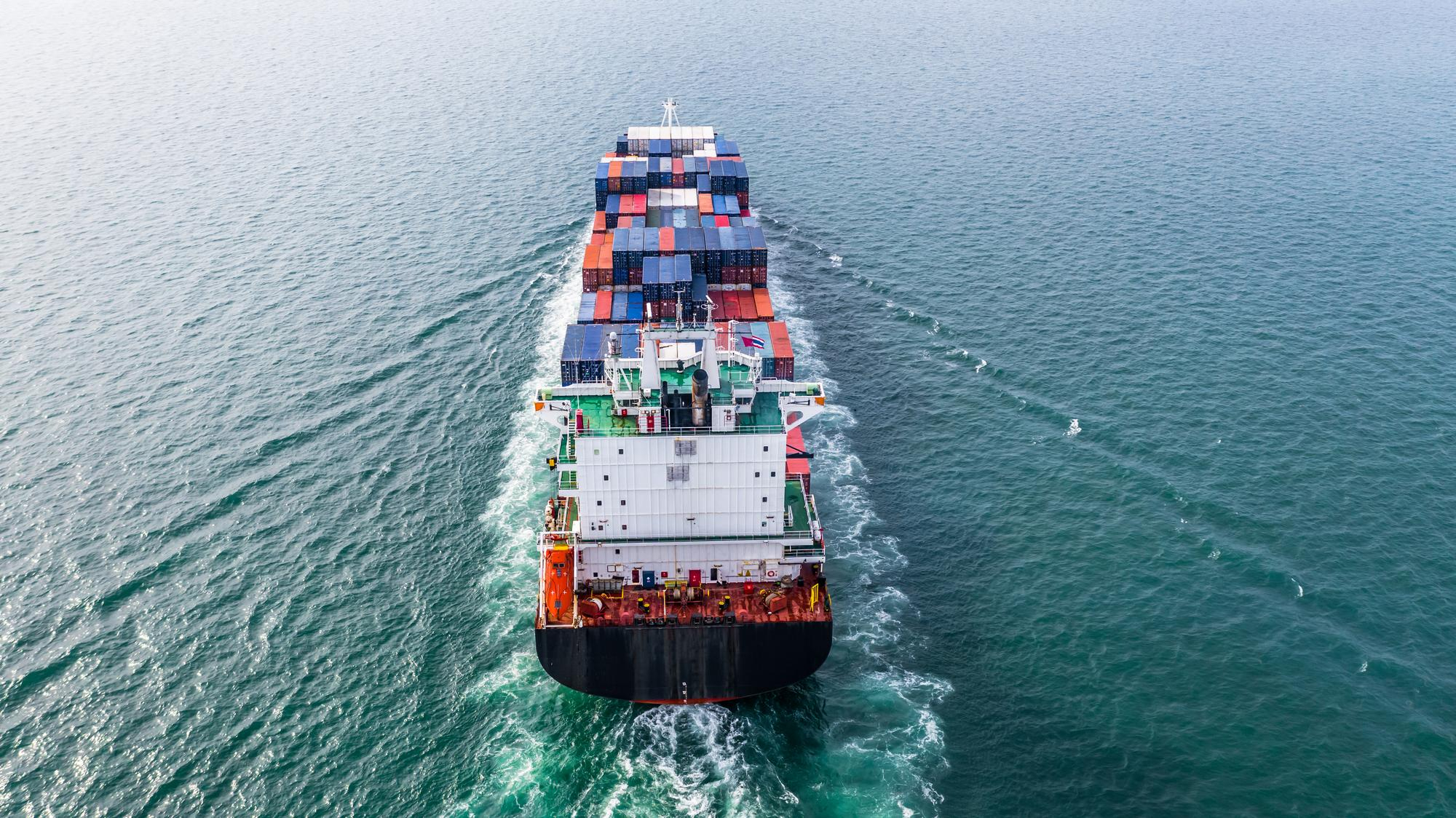
Every time a package arrives, fuel reaches a refinery, or food crosses continents, there is a strong chance the journey touches the ocean. Global trade depends on shipping. In fact, more than 80% of world merchandise trade by volume moves by sea, making maritime transport the backbone of the global economy.
But here’s the uncomfortable truth: while ships move economies, they also leave marks beneath the surface. The ocean is not an empty highway. It is home to whales, turtles, coral reefs, fisheries, and ecosystems that support billions of lives.
As of April 2026, the conversation around logistics, freight forwarding, ESG, and the environment is no longer only about speed and cost. It is also about responsibility.
Why Marine Life Is Affected by Logistics
When most people think of pollution, they imagine oil spills. Those still matter, but modern shipping impacts marine life in several less visible ways:
- Underwater noise from engines and propellers
- Greenhouse gas emissions warming oceans
- Plastic and garbage discharge
- Ship strikes on whales and turtles
- Ballast water spreading invasive species
- Port dredging and coastal habitat disruption
These are not isolated issues. They are part of how global logistics systems interact with nature every day.
The Hidden Threat: Underwater Noise
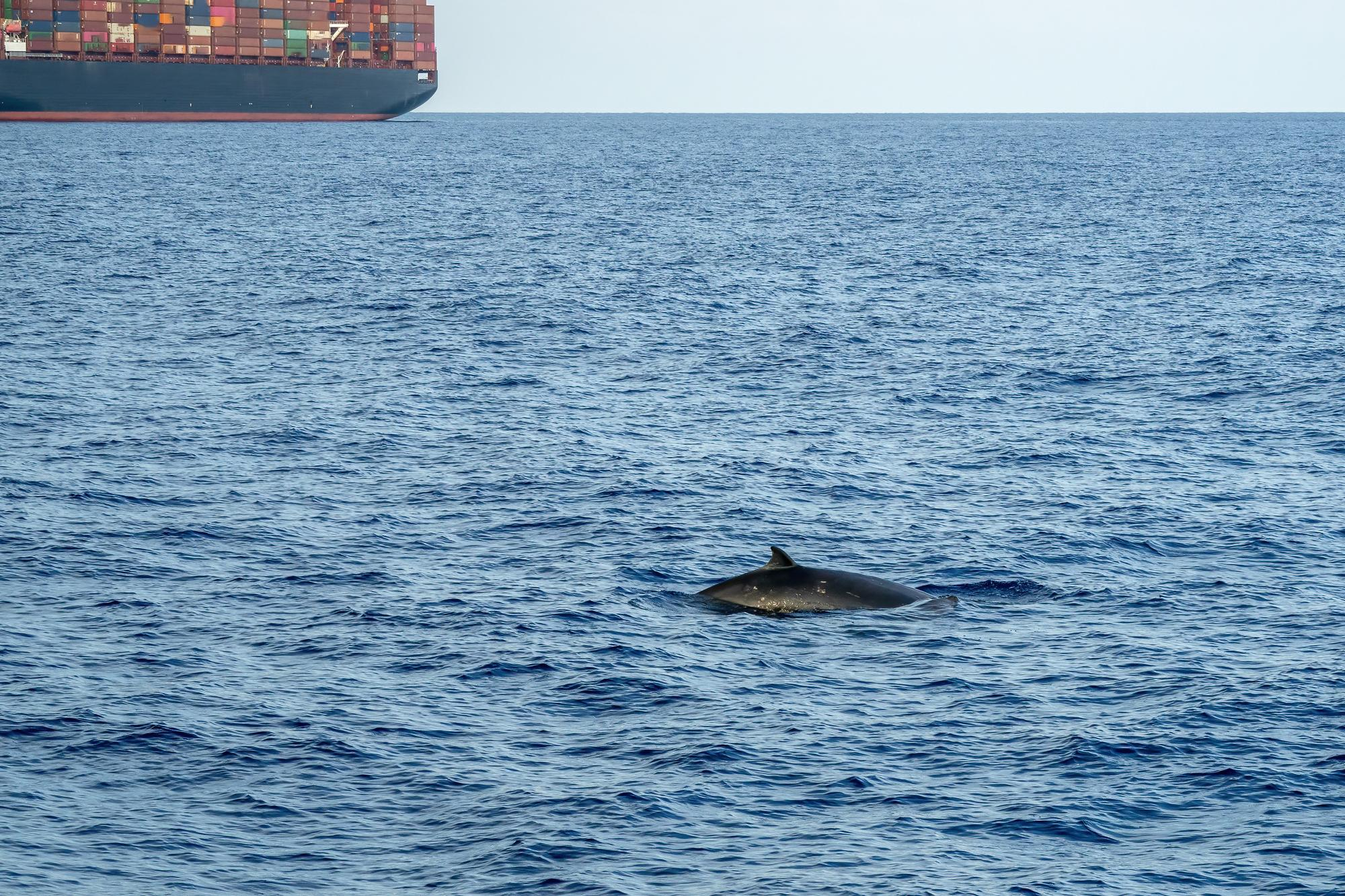
For humans, traffic noise is annoying. For whales and dolphins, ocean noise can be life-changing.
Many marine mammals rely on sound to communicate, navigate, find food, and avoid danger. Large vessels generate constant underwater noise. Research in recent years has shown that reducing vessel speed can significantly lower underwater radiated noise while also helping fuel efficiency.
Case Study: Whale Protection Through Speed Limits
Several coastal regions, including parts of North America, have tested seasonal ship slowdowns in whale migration zones. Slower speeds reduce collision risk and lower acoustic disturbance.
What this teaches logistics leaders is simple: operational decisions can protect wildlife without shutting down trade.
Climate Change and Ocean Stress
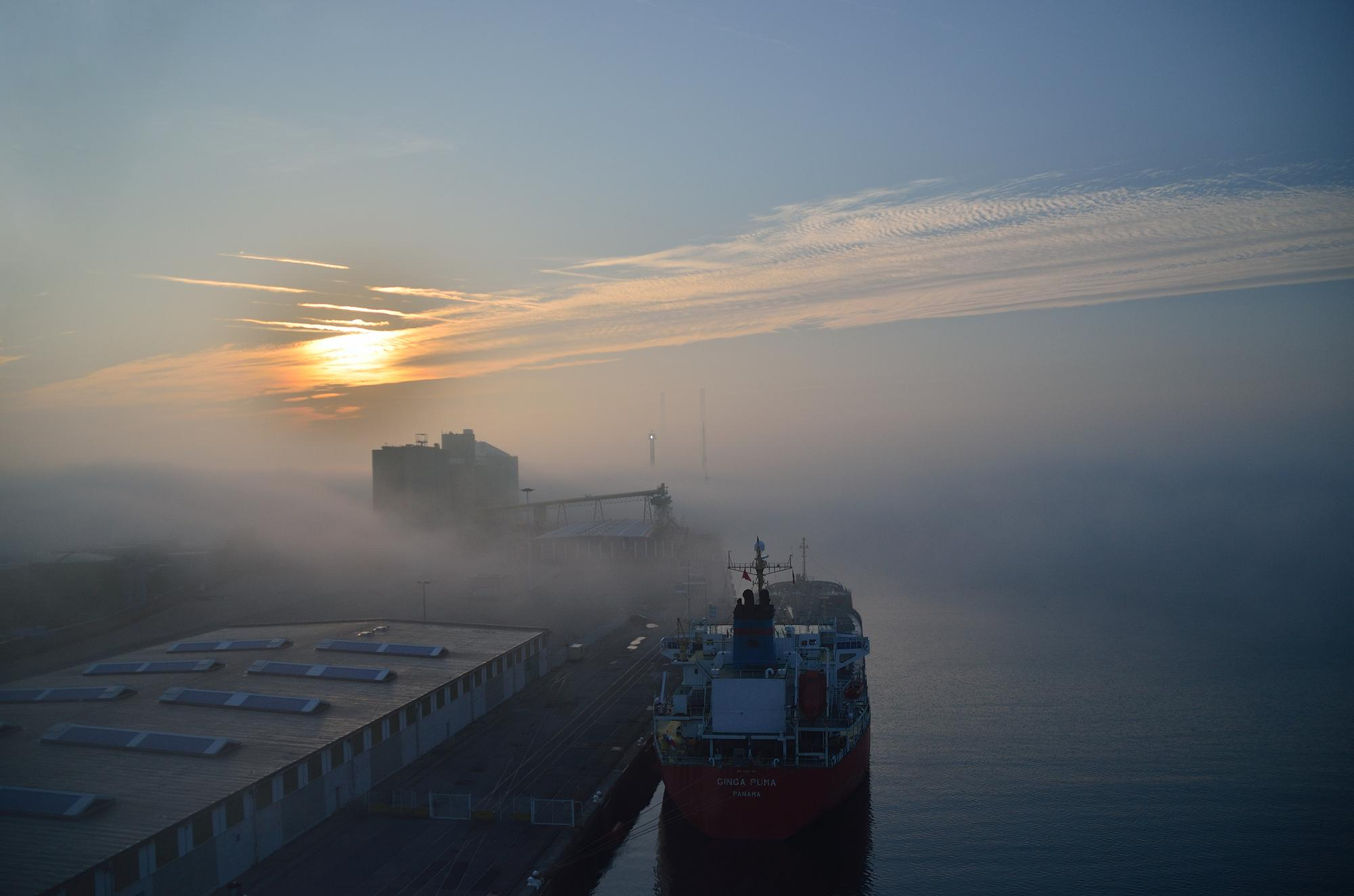
Shipping is responsible for around 3% of global greenhouse gas emissions, roughly comparable to some major industrialized economies.
Those emissions contribute to warming oceans, coral bleaching, changing fish migration, and acidification. When sea temperatures rise, ecosystems become unstable.
Case Study: Supply Chains Hit Back
Warmer oceans do not only hurt marine life. They also hurt business.
Coral reef decline can damage coastal tourism. Fish stock movement affects seafood supply chains. Stronger storms disrupt ports and schedules. What harms the ocean eventually returns to logistics costs.
That is why ESG is no longer a branding exercise. It is risk management.
Plastic Waste from Shipping and Trade
The UN Environment Programme has estimated oceans contain 75 to 199 million tonnes of plastic, and without urgent action, plastic entering aquatic ecosystems could triple by 2040.
While land sources dominate plastic pollution, shipping still contributes through lost cargo, operational waste, fishing gear, and poor disposal systems.
Case Study: Container Loss at Sea
When containers fall overboard during storms, cargo may release plastics, chemicals, or debris. Even when recovered later, the environmental damage can begin immediately.
This is where stronger freight forwarding standards matter. Better packing, load planning, and route risk assessment can prevent losses before they happen.
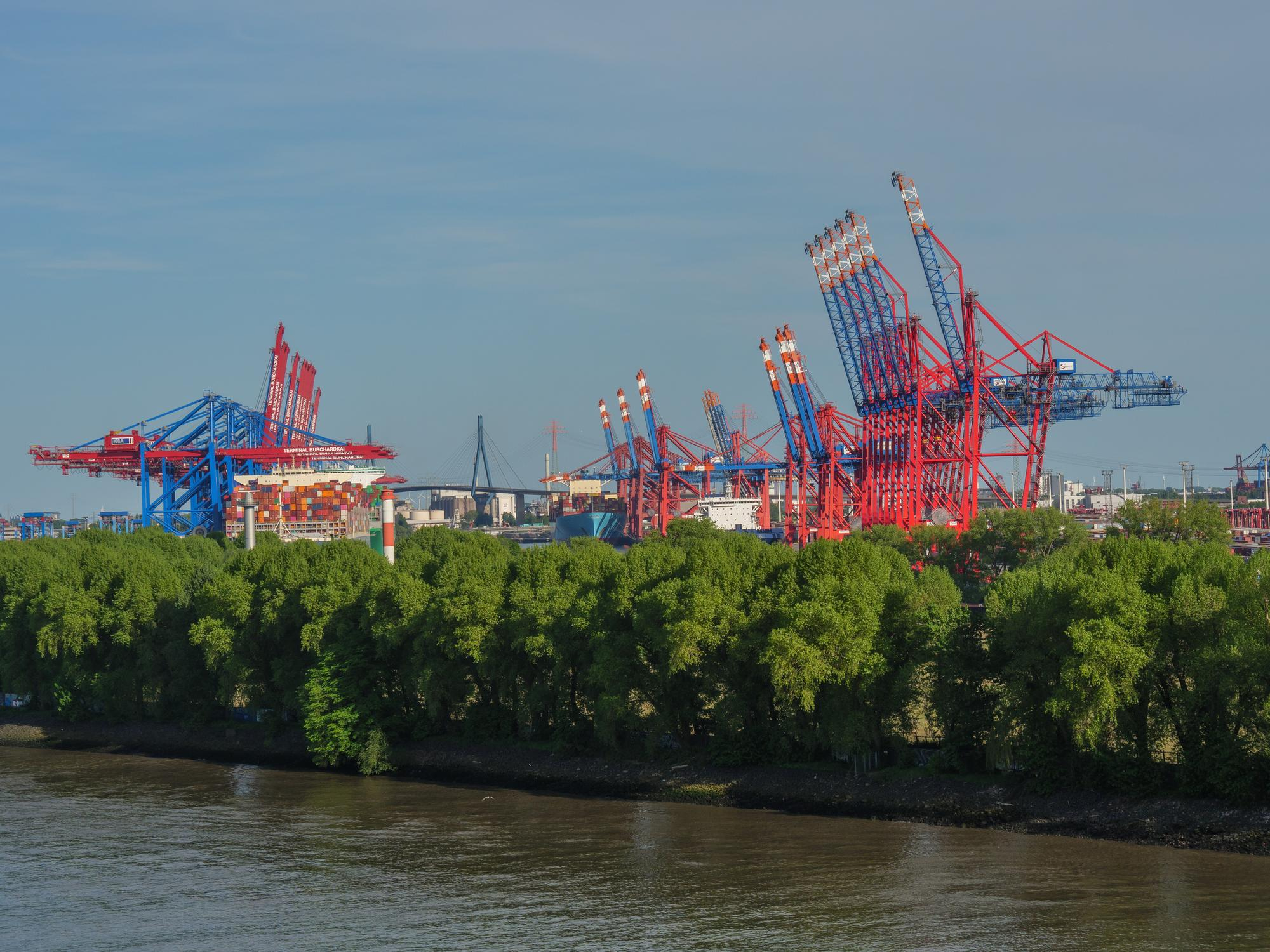
Ports and Coastal Ecosystems
Ports are economic engines, but expansion can disturb mangroves, wetlands, and breeding grounds.
Dredging deeper channels, increasing truck traffic, and industrial runoff can pressure nearby ecosystems. Yet ports also hold one of the greatest opportunities for positive change.
Example: Greener Ports
Around the world, ports are investing in:
- Shore power so ships turn engines off while docked
- Electric yard equipment
- Cleaner fuels
- Waste capture systems
- Smart traffic flow to reduce idling
These changes improve both business efficiency and environmental outcomes.
What Smart Logistics Companies Are Doing in 2026
The strongest players in maritime logistics understand that sustainability is now a commercial strategy.
Leading firms are investing in:
- Route optimization to cut fuel burn
- Slow steaming programs
- Dual-fuel or lower-emission vessels
- Digital cargo visibility to reduce waste
- Supplier ESG audits
- Ocean cleanup partnerships
- Sustainable packaging in freight forwarding networks
According to recent industry reporting, investment in dual-fuel shipping fleets has accelerated globally.
What Customers and Businesses Should Ask
Whether you are an importer, exporter, or supply chain head, ask these questions:
- Does my logistics partner track emissions?
- Are they reducing marine waste risk?
- Do they follow ESG standards?
- Are routes optimized for fuel and impact?
- Can they prove sustainable performance?
The future belongs to companies that can answer yes.
Final Thoughts
A whale does not know what e-commerce is. A turtle does not understand freight rates. Coral reefs do not care about delivery deadlines.
Yet they absorb the consequences of systems built for us.
That does not mean trade must stop. It means trade must evolve.
Global shipping keeps the world connected. It moves medicine, food, energy, and opportunity. But the same logistics system must now become more intelligent, cleaner, and more humane.
The best future is not trade versus nature. It is a trade designed with nature in mind.
FAQs
1. How does global logistics affect marine life in the ocean?
Global logistics affects marine life through underwater noise, ship collisions with whales, fuel emissions, plastic waste, ballast water discharge, and habitat disruption near ports. These impacts can harm ecosystems, migration patterns, and biodiversity.
2. Why is maritime shipping considered a risk to ocean wildlife?
Maritime shipping can disturb ocean wildlife because large vessels create noise pollution, increase collision risks for whales and turtles, and contribute to water pollution. Heavy shipping lanes often overlap with important marine habitats.
3. What are logistics companies doing in 2026 to protect the environment?
In April 2026, many logistics companies are investing in cleaner fuels, route optimization, slower vessel speeds, waste reduction programs, ESG reporting, shore power usage, and low-emission fleets to reduce environmental damage.
4. How does freight forwarding support sustainable shipping?
Freight forwarding supports sustainable shipping by improving cargo planning, reducing empty container movement, optimizing routes, consolidating shipments, lowering fuel waste, and selecting eco-friendly transport options.
5. Why is ESG important in maritime logistics?
ESG is important in maritime logistics because investors, customers, and governments now expect responsible environmental practices, safe operations, and transparent governance. Strong ESG performance also helps reduce long-term business and environmental risks.