Somewhere right now, a factory is waiting for a container.
A hospital is waiting for medicine.
A retailer is waiting for festival inventory.
And a supply chain manager is refreshing a tracking dashboard hoping the shipment moves on time.
In 2026, logistics is no longer only about moving cargo.
It is about knowing exactly where it is every moment.
A delayed container can stop production. A missing air cargo shipment can delay healthcare supplies. A customs hold can disrupt retail launches. That is why one of the most valuable services in modern logistics today is not transportation itself.
It is visibility.
Businesses no longer ask only:
“When will it ship?”
They ask:
“Where is it right now?”
“What condition is it in?”
“What happens next?”
That is the world of cargo and container tracking.
Cargo Tracking Quick Facts 2026
| Metric | 2026 Insight |
| Global Trade Moving by Sea | 80%+ |
| Most Common Tracking Mode | Container Tracking |
| Fastest Growing Tracking Segment | Real-Time AI Visibility |
| Most Tracked Cargo Type | E-commerce & Pharma |
| Key Technologies | GPS, AIS, RFID, IoT |
| Biggest Risk Without Tracking | Inventory Disruption |

Why Tracking Matters More Than Ever
According to global trade estimates, more than 80% of world merchandise trade by volume moves through maritime shipping.
Now combine that with:
- E-commerce delivery expectations
- Tight manufacturing schedules
- Geopolitical route disruptions
- Port congestion
- Compliance pressure
- Customer demand for live updates
The result is simple.
If businesses cannot track cargo properly, they cannot manage operational risk effectively.
Today, shipment visibility is becoming as important as freight rates themselves.
What Is Cargo and Container Tracking?
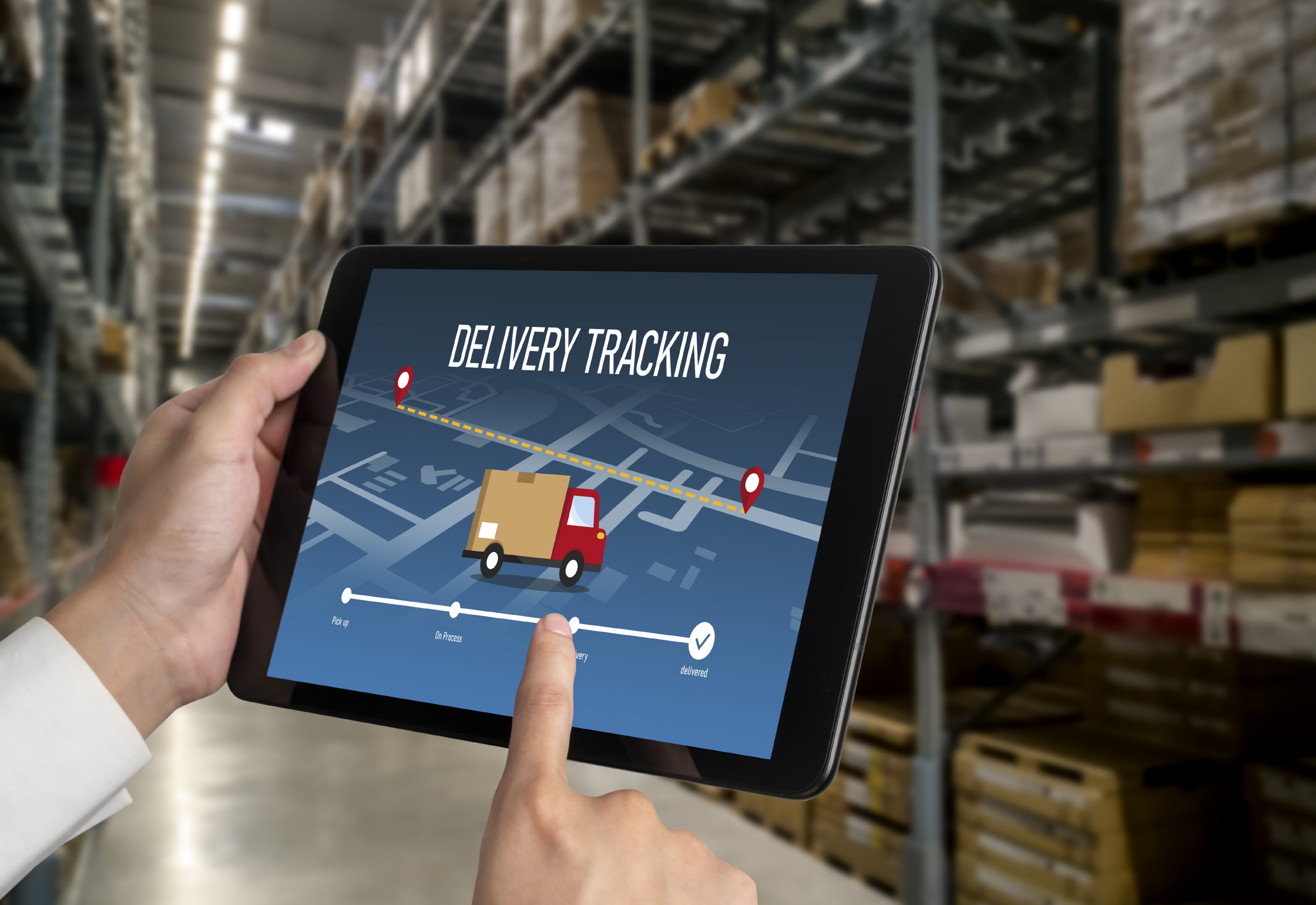
Cargo tracking is the ability to monitor shipment location, movement milestones, estimated arrival times, and cargo condition across different transport modes.
Tracking updates may include:
- Container loaded at origin
- Vessel departed port
- Cargo arrived at transshipment hub
- Customs cleared
- Out for delivery
- Final proof of delivery
Modern cargo visibility systems may use:
- GPS devices
- RFID tags
- Airline milestone feeds
- Port terminal scans
- Vessel AIS tracking signals
- IoT sensors for temperature, humidity, or shock monitoring
For many businesses, logistics visibility now directly impacts inventory planning, customer communication, and financial forecasting.
How Container Tracking Actually Works
Step 1: Booking Confirmation
The shipment is booked with the shipping line or freight forwarding company.
Step 2: Container Pickup
An empty container is collected and cargo is stuffed at warehouse or factory level.
Step 3: Port & Terminal Scanning
The container receives milestone scans during gate-in, customs checks, and vessel loading.
Step 4: Live Vessel Monitoring
AIS satellite systems monitor vessel movement across global maritime routes.
Step 5: Customs & Inland Movement
After discharge, tracking continues through customs clearance, trucking, rail, and inland transport.
Step 6: Delivery Confirmation
Final delivery and proof-of-delivery updates complete the shipment cycle.
How Container Tracking Works in Maritime Logistics
Ocean freight may move slower than air cargo, but operational complexity is significantly higher.
A single container shipment may involve:
- Multiple ports
- Feeder vessels
- Rail transfers
- Trucking partners
- Customs authorities
- Warehouse handling points
Example: Export Container from Mumbai to Rotterdam
A shipment may pass through these milestones:
- Empty container pickup
- Cargo stuffing
- Port terminal gate-in
- Vessel loading
- Vessel departure from India
- Transshipment hub arrival
- Reloading onto second vessel
- Europe arrival
- Customs release
- Inland delivery
Without tracking, every handoff becomes a blind spot.
With tracking, businesses can plan inventory, staffing, customer commitments, and warehouse operations with far greater accuracy.
Retailer Avoids Major Stockout
A fashion importer is waiting for seasonal inventory.
Original ETA: April 14.
Live tracking later shows vessel congestion and revised ETA: April 21.
Because the company received visibility early, they:
- Shifted marketing campaign dates
- Prioritized air freight for top-selling SKUs
- Reallocated warehouse labor
- Updated retail stores in advance
Tracking did not eliminate the delay.
But it significantly reduced the financial impact.
That is intelligent logistics management.
Air Cargo Tracking: Why Speed Needs Precision
Air freight moves faster, but expectations are even higher.
A pharmaceutical shipment moving from Frankfurt to Mumbai may require:
- Pickup confirmation
- Airport acceptance
- Flight departure
- Flight landed
- Temperature compliance monitoring
- Customs release
- Final delivery ETA
For sensitive cargo, minutes matter.
Urgent Medical Shipment Scenario
A healthcare distributor is transporting temperature-sensitive medicine internationally.
During transit, IoT sensors detect a temperature excursion during cargo transfer.
Because the issue is identified immediately:
- Backup stock is arranged
- Delivery failure is avoided
- Product quality risk is minimized
Without visibility, the problem may only be discovered after delivery.
That is the operational power of modern cargo tracking.
Air Cargo vs Maritime Tracking
| Feature | Maritime Cargo | Air Cargo |
| Transit Speed | Slower | Faster |
| Tracking Complexity | High | Medium |
| Delay Sensitivity | Moderate | Very High |
| Common Cargo | Containers & Bulk | Urgent & High-Value |
| Tracking Frequency | Milestone-Based | Near Real-Time |
| Main Risk | Port Congestion | Flight Disruptions |
Freight Forwarding Has Changed
Traditional freight forwarding relied heavily on spreadsheets, calls, and manual updates.
In 2026, leading freight forwarders compete through visibility and control.
Modern logistics platforms now provide:
- Single dashboard visibility across sea, air, and road
- AI-based ETA predictions
- Exception alerts
- Document tracking
- Cost reporting
- Customer self-service tracking portals
Clients increasingly choose logistics partners who provide clarity, not just transportation capacity.
Why Cargo ETA Often Changes
Many businesses assume ETA means certainty.
It does not.
Estimated arrival times can change because of:
- Port congestion
- Weather systems
- Customs inspections
- Blank sailings
- Aircraft rotation changes
- Road traffic delays
- Labor shortages
Modern AI-powered tracking systems now analyze historical and live movement data to improve ETA accuracy.
How AI Is Transforming Cargo Tracking
In 2026, logistics companies increasingly use AI-driven visibility systems to:
- Predict shipment delays early
- Recommend alternate routes
- Improve ETA calculations
- Reduce idle cargo movement
- Lower fuel waste
- Improve warehouse planning
This is where operational efficiency and ESG goals begin to align.
Smart logistics is becoming both faster and more sustainable.
Most Common Cargo Tracking Problems in 2026
Tracking Delays
Some carrier systems update in batches instead of real-time.
Missing Trans-shipment Updates
Containers moving between feeder vessels may temporarily disappear from visibility systems.
Incorrect ETA Predictions
Weather, congestion, and customs inspections frequently impact schedules.
Data Fragmentation
Different systems across airlines, ports, trucking companies, and customs networks can create visibility gaps.
Did You Know?
A single delayed container can cost manufacturers millions if production stops because critical components fail to arrive on time. That is why many companies now treat logistics visibility as seriously as financial reporting.
The Cost of Poor Tracking
When businesses lack shipment visibility, they often overreact.
This may lead to:
- Excess safety stock
- Expensive emergency air freight
- Idle warehouse labor
- Customer dissatisfaction
- Penalty charges
- Production stoppages
In many cases, tracking systems pay for themselves simply by reducing panic-driven decisions.
What Smart Shippers Ask in 2026
Before choosing a logistics provider, businesses increasingly ask:
- Can I track sea, air, and road shipments in one dashboard?
- How accurate are ETA predictions?
- Will I receive alerts before delays happen?
- Can customers self-track shipments?
- Does the platform integrate with ERP systems?
These are no longer luxury features.
They are operational basics.
Real Side of Tracking
Behind every dashboard is a real person waiting:
- A buyer launching a product
- A factory manager protecting output
- A parent waiting for medicine stock
- A retailer preparing for festive demand
Tracking data is not only about cargo.
It is about reducing uncertainty.
What Cargo Tracking Could Look Like by 2030
The next generation of logistics visibility may include:
- Blockchain shipment validation
- AI-powered disruption forecasting
- Autonomous inventory alerts
- Digital twins for supply chains
- Carbon-emission tracking per shipment
- Fully integrated multimodal visibility platforms
The businesses that adopt visibility early may gain major operational advantages over slower competitors.
Logistics Perspective
At Triton Logistics & Maritime, shipment visibility is increasingly becoming a strategic requirement for businesses handling urgent cargo, high-value inventory, pharmaceuticals, and time-sensitive international trade movements.
Final Thoughts
Cargo tracking is no longer a secondary logistics feature.
It is operational intelligence.
In modern supply chains, businesses do not lose money only because freight is delayed.
They lose money because they discover the delay too late.
Goods still move through ships and aircraft.
But confidence moves through information.
The companies that win next will not just move freight faster.
They will know where it is, what it needs, and what comes next.
FAQs
1. How can I track my air cargo shipment online?
You can track an air cargo shipment using the Air Waybill (AWB) number provided by your airline or freight forwarding partner. Most logistics providers offer online portals showing milestones such as received, departed, arrived, customs cleared, and delivered.
2. Why does container tracking show one location while vessel tracking shows another?
Container tracking often updates based on terminal scans or carrier events, while vessel tracking uses live AIS ship signals. Containers may already be discharged, awaiting transshipment, or system updates may be delayed.
3. How accurate is cargo ETA in 2026?
Cargo ETA accuracy has improved significantly due to AI-based prediction systems and live movement data. However, weather, congestion, customs inspections, and labor disruptions can still affect schedules.
4. What details are required to track a container shipment?
You typically need a container number, booking number, bill of lading number, or shipment reference provided by the shipping line or freight forwarding company.
5. Why is my shipment not updating in the tracking system?
Tracking may temporarily pause when cargo is between checkpoints, at sea, awaiting customs clearance, or moving through warehouse operations. Some systems also update in batches instead of real time.