
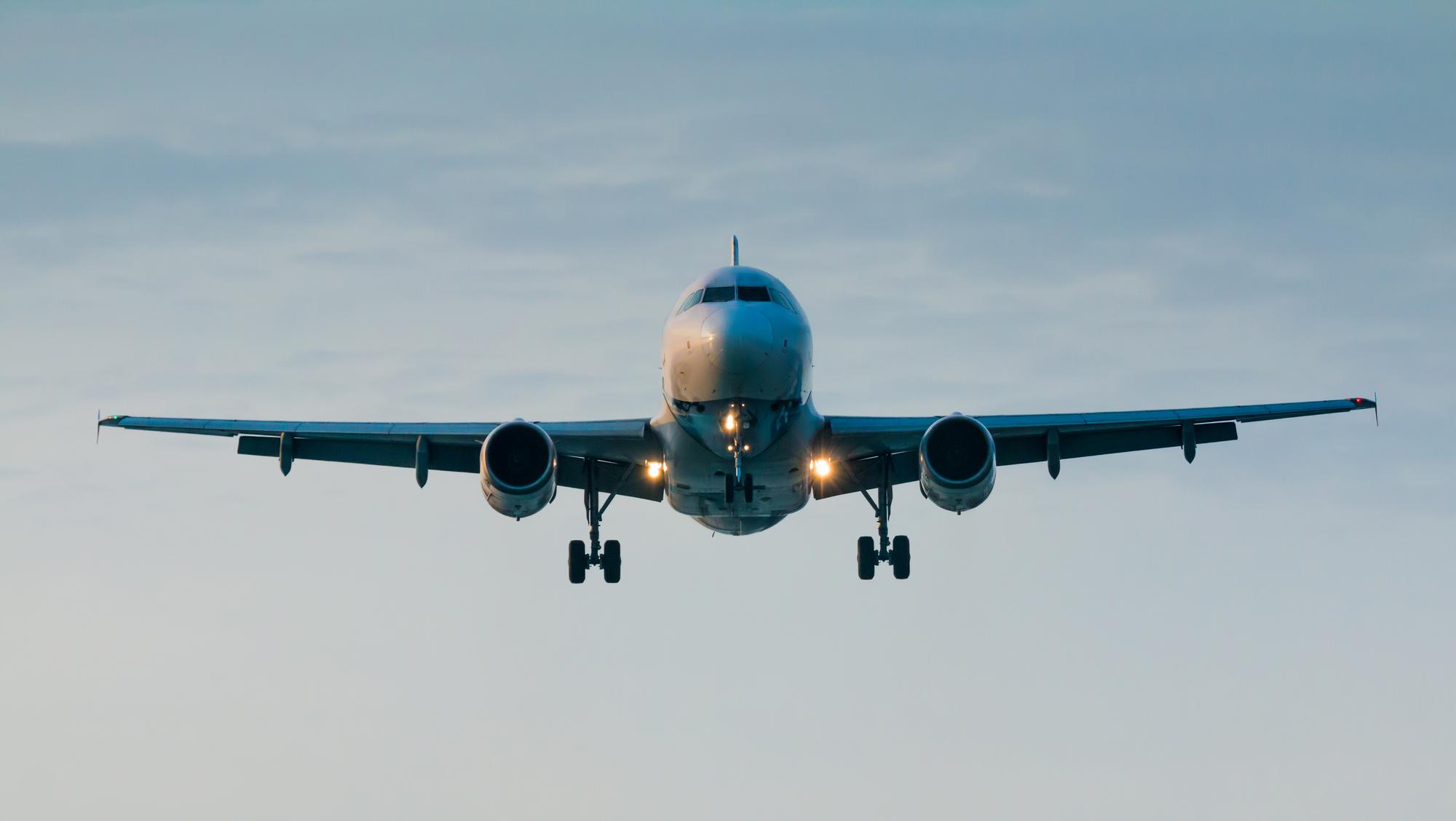
When most people look up at an aircraft, they imagine passengers. But many of the world’s most critical flights carry no passengers at all. They carry vaccines, semiconductors, auto parts, perishables, e-commerce parcels, and emergency supplies.
These are cargo freighters, the silent workforce of global trade.
As of April 2026, air cargo remains one of the most strategic pillars of modern logistics. It is fast, precise, and often the difference between supply continuity and disruption. But one question people increasingly ask is simple:
How many cargo freighters do we have globally, how much can they carry, and where does India stand today?
Let’s break it down clearly.
How Many Cargo Freighter Aircraft Exist Globally in 2026?
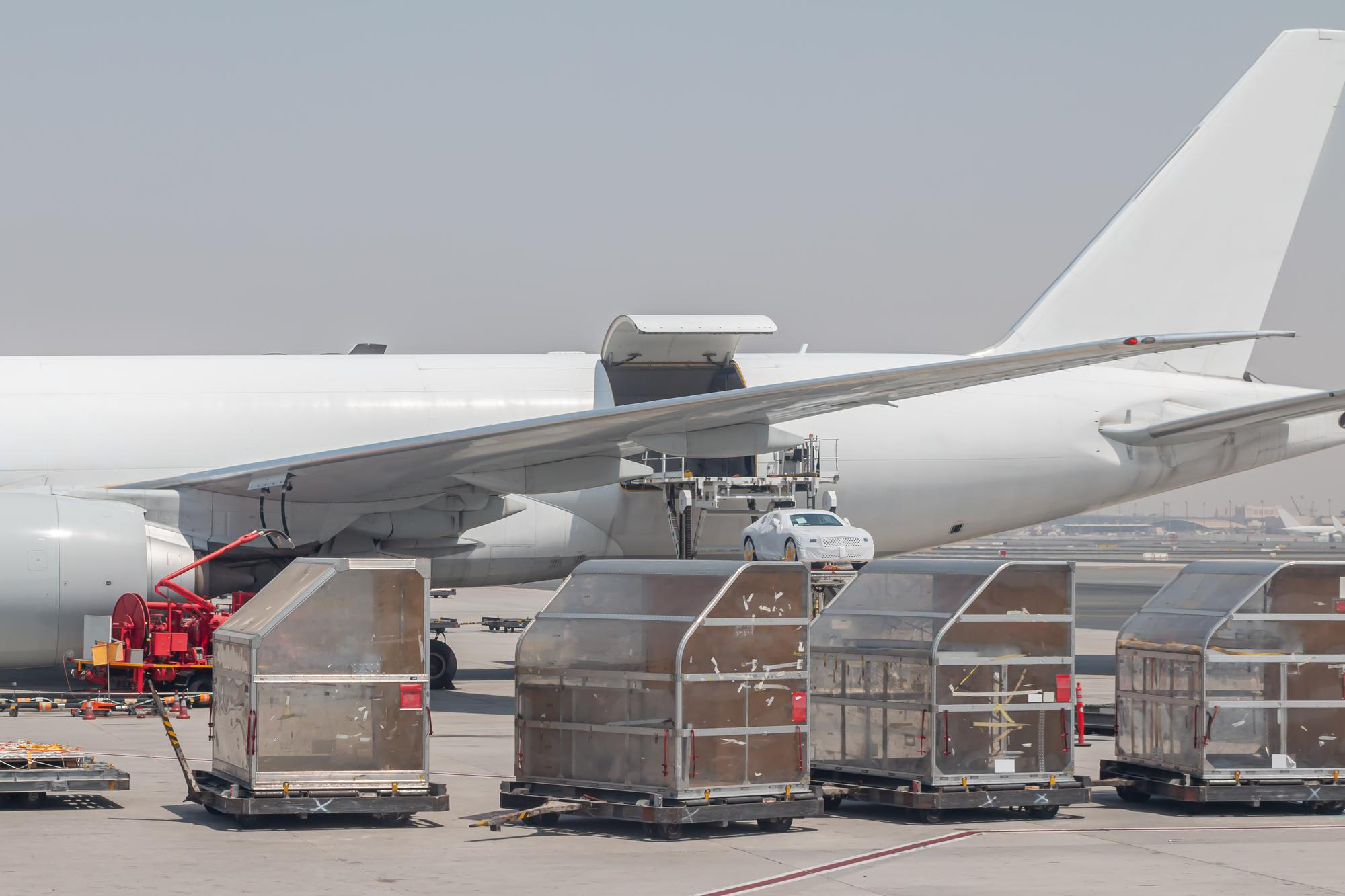
According to Airbus’ 2025 Cargo Global Market Forecast, the worldwide fleet of dedicated freighter aircraft currently stands at approximately 2,360 aircraft, projected to rise to 3,420 by 2044, a 45% increase. Airbus notes this future fleet includes 815 current legacy aircraft plus new growth and replacement deliveries.
That means in April 2026, the world likely operates around 2,300 to 2,400 dedicated cargo aircraft across all major sizes.
This does not include cargo moved in passenger aircraft belly space, which still carries a major share of global air freight.
“India vs Global” Comparison
| Region | Dedicated Freighters |
| Global Fleet | 2,300 – 2,400 |
| India Fleet | 18 – 20 |
| China | 200+ |
| USA | 900+ |
Why That Number Matters
Cargo planes are expensive assets. They are deployed only when speed, reliability, or cargo type justifies the cost.
Freighters become essential for:
- Pharmaceuticals
- Electronics
- Express parcels
- Industrial spares
- High-value retail
- Humanitarian relief
- Oversized shipments unsuitable for passenger aircraft
This is where strong freight forwarding partners decide when air cargo is strategically smarter than sea or road transport.
What Is the Capacity of Cargo Freighters?
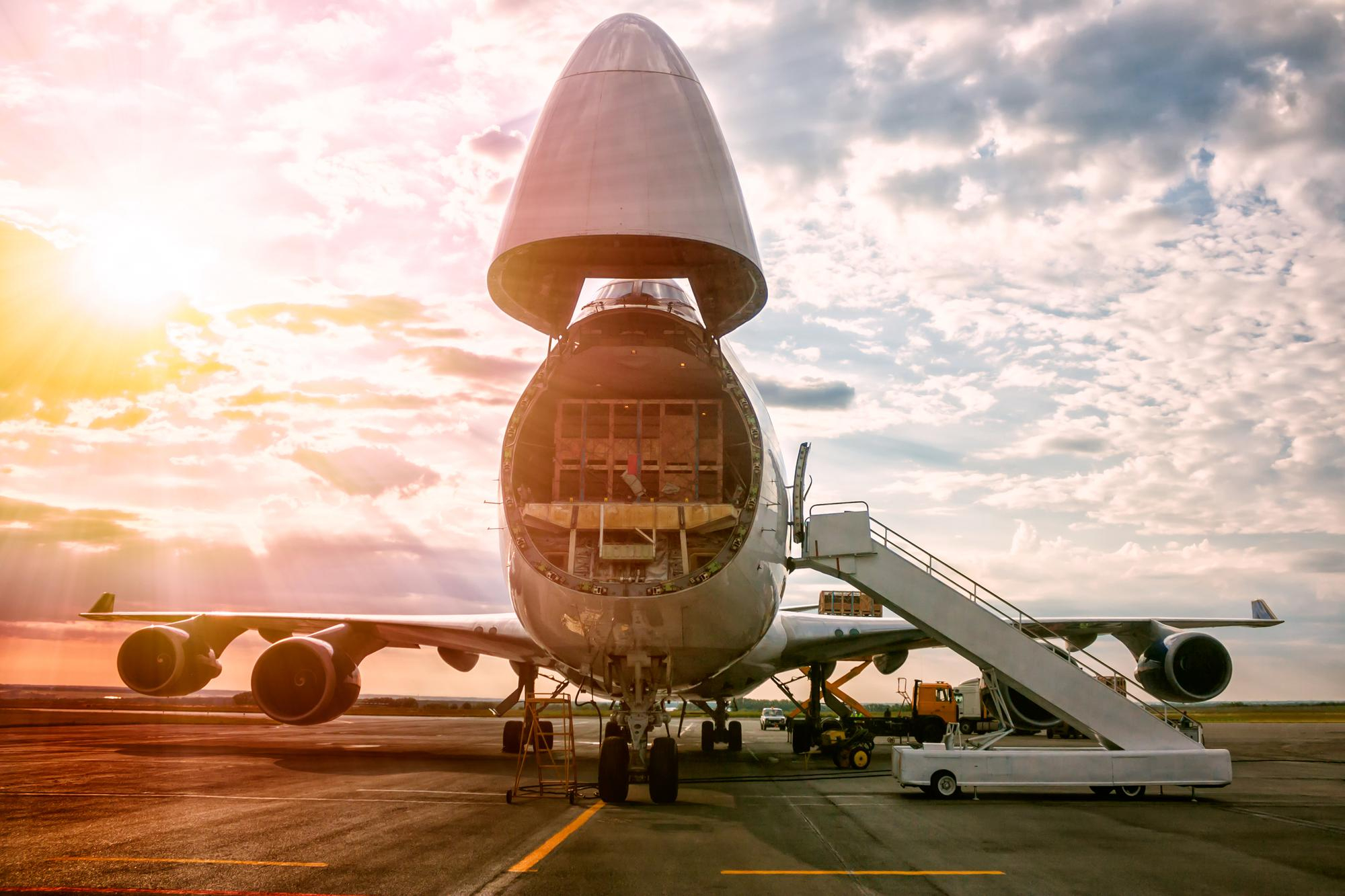
Not all cargo aircraft are equal. Some move parcels overnight. Others move engines, helicopters, or 100+ tonnes across continents.
Typical Cargo Plane Capacity
| Aircraft Type | Approx Capacity |
| Boeing 737 Freighter | 20 to 23 tonnes |
| Airbus A321 Freighter | 27 tonnes |
| Boeing 757 Freighter | 35 tonnes |
| Boeing 767 Freighter | 52 tonnes |
| Boeing 777 Freighter | 102 tonnes |
| Boeing 747-8 Freighter | 135+ tonnes |
A single Boeing 777F can carry enough urgent cargo to restock multiple factories or support thousands of hospital deliveries.
Why One Freighter Can Save a Production Line
An automotive manufacturer runs short of semiconductors. Ocean freight would take weeks. Shutdown losses could reach millions.
Solution:
- Freight forwarder books a 777 freighter
- Components uplifted same day
- Customs pre-cleared
- Factory receives stock within 48 hours
The freight cost looks high until compared with plant shutdown costs.
That is intelligent logistics.
How Many Cargo Planes Does India Have in 2026?
India is one of the fastest-growing aviation markets, but its dedicated cargo fleet is still relatively small.
Recent industry estimates place India’s dedicated freighter fleet at around 18 to 20 aircraft, spread across operators such as Blue Dart, Quikjet, SpiceXpress, IndiGo Cargo-linked operations, Pradhaan Air Express, and Afcom.
This is modest for a country of India’s size, manufacturing ambitions, and e-commerce growth.
| Metric | 2026 Estimate |
| Global Dedicated Cargo Aircraft | 2,300 – 2,400 |
| Projected Freighter Fleet by 2044 | 3,420 |
| Largest Cargo Aircraft Capacity | 135+ tonnes |
| India Dedicated Cargo Fleet | 18–20 aircraft |
| Fastest Growing Air Cargo Segments | Pharma, E-commerce, Electronics |
| Most Used Large Freighter | Boeing 777F |
Why India’s Cargo Fleet Is Smaller Than Expected
India moves significant cargo using:
- Belly space in passenger aircraft
- Integrator networks
- Domestic trucking systems
- Sea freight for bulk trade
- Rail for inland distribution
But demand is changing.
Pharma exports, electronics manufacturing, perishables, defense supply chains, and fast e-commerce are increasing the need for dedicated air cargo capacity.
Did You Know?
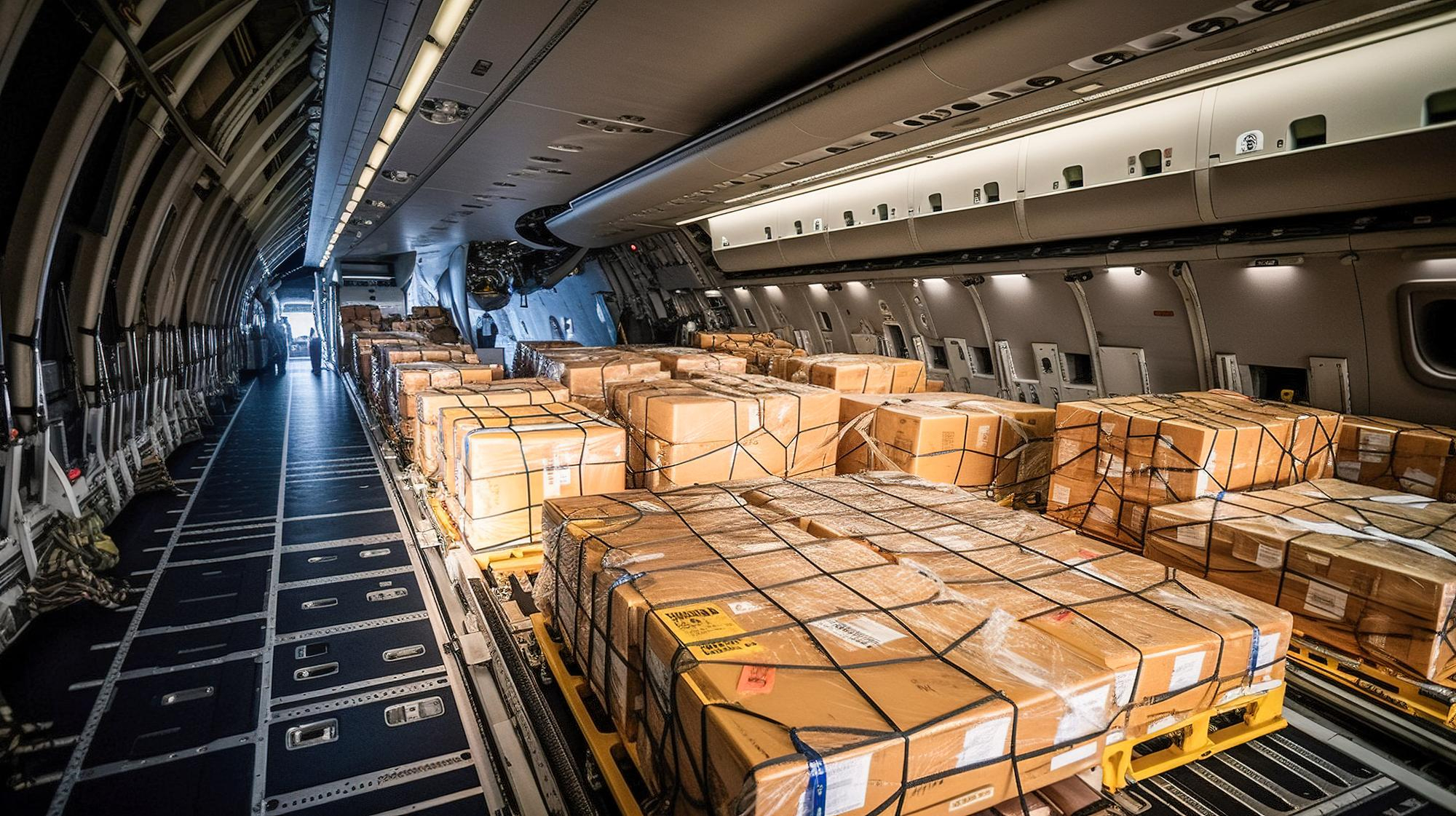
A single Boeing 747-8 Freighter can carry more than 135 tonnes of cargo in one flight, enough to transport:
- Millions of smartphone components
- Emergency medical supplies
- Industrial machinery
- Entire automotive production inventories
India Pharma Exports Need Speed
Temperature-sensitive medicines from Hyderabad or Ahmedabad often require fast uplift to Europe, Africa, or Southeast Asia.
A delayed cargo connection can damage both product value and reputation.
This is why India’s cargo aviation ecosystem is becoming strategically important, not just commercially useful.
ESG and Environment: The Real Debate
Air cargo is valuable, but aviation has an emissions footprint. That means growth must come with smarter choices.
Leading operators in 2026 are focusing on:
- Fuel-efficient freighters
- Sustainable aviation fuel
- Better route planning
- Higher load factors
- Paperless documentation
- Electric ground handling systems
This is where ESG becomes central. The future is not more flights blindly. It is better flights intelligently managed.
Air Cargo vs Maritime: Which Wins?
Many businesses ask whether to choose air or maritime shipping.
The real answer:
- Use maritime for cost-efficient bulk movement
- Use air for urgent, high-value, or sensitive goods
- Use multimodal models for balance
Smart companies do not choose modes emotionally. They choose based on total supply chain value.
2026 Air Cargo Trends
AI-Based Cargo Planning
Airlines and freight forwarders now use AI to predict cargo demand, optimize aircraft utilization, and reduce empty space.
Pharma & Cold Chain Expansion
Temperature-sensitive logistics is becoming one of the fastest-growing air cargo sectors globally.
E-Commerce Pressure
Same-day and next-day delivery expectations are increasing dependence on dedicated cargo fleets.
Sustainability Push
The aviation industry is investing heavily in Sustainable Aviation Fuel (SAF), fuel-efficient aircraft, and carbon tracking systems.
What India Could Look Like by 2030
If manufacturing and exports continue rising, India could see:
- Larger domestic freighter fleets
- Converted passenger aircraft entering cargo use
- Stronger airport cargo hubs
- Cold-chain expansion
- More specialized freight forwarding services
The opportunity is significant.
Final Thoughts
Cargo aircraft do far more than transport goods.
They protect production lines.
Support healthcare systems.
Enable global trade.
And quietly power the modern economy every single day.
The next decade of logistics will not belong only to the biggest companies.
It will belong to the fastest, smartest, and most connected supply chains.
At Triton Logistics & Maritime, air cargo demand across pharmaceuticals, urgent industrial shipments, and time-sensitive imports continues to rise as businesses prioritize speed, inventory stability, and supply chain resilience. They will move economies forward.
FAQs
Which country has the largest cargo aircraft fleet?
The United States currently operates the world’s largest dedicated air cargo fleet through major operators such as FedEx, UPS, and Atlas Air.
Why are cargo planes important for global trade?
Cargo aircraft help transport urgent and high-value goods quickly across international markets, reducing supply chain disruption.
What is the cargo capacity of major freighter aircraft?
Cargo aircraft capacity depends on the model. Smaller freighters may carry 20 tonnes, while large aircraft such as the Boeing 777 Freighter can carry over 100 tonnes. This makes air freight ideal for urgent and valuable cargo.
Why is freight forwarding important for cargo aircraft shipments?
Freight forwarding helps businesses manage air cargo bookings, customs clearance, packaging, warehousing, documentation, and final delivery. Companies like Triton Logistics & Maritime support businesses by simplifying complex international cargo movement.
Can passenger aircraft carry cargo?
Yes. Passenger aircraft often carry cargo in their belly hold, which remains a major part of global air freight capacity.