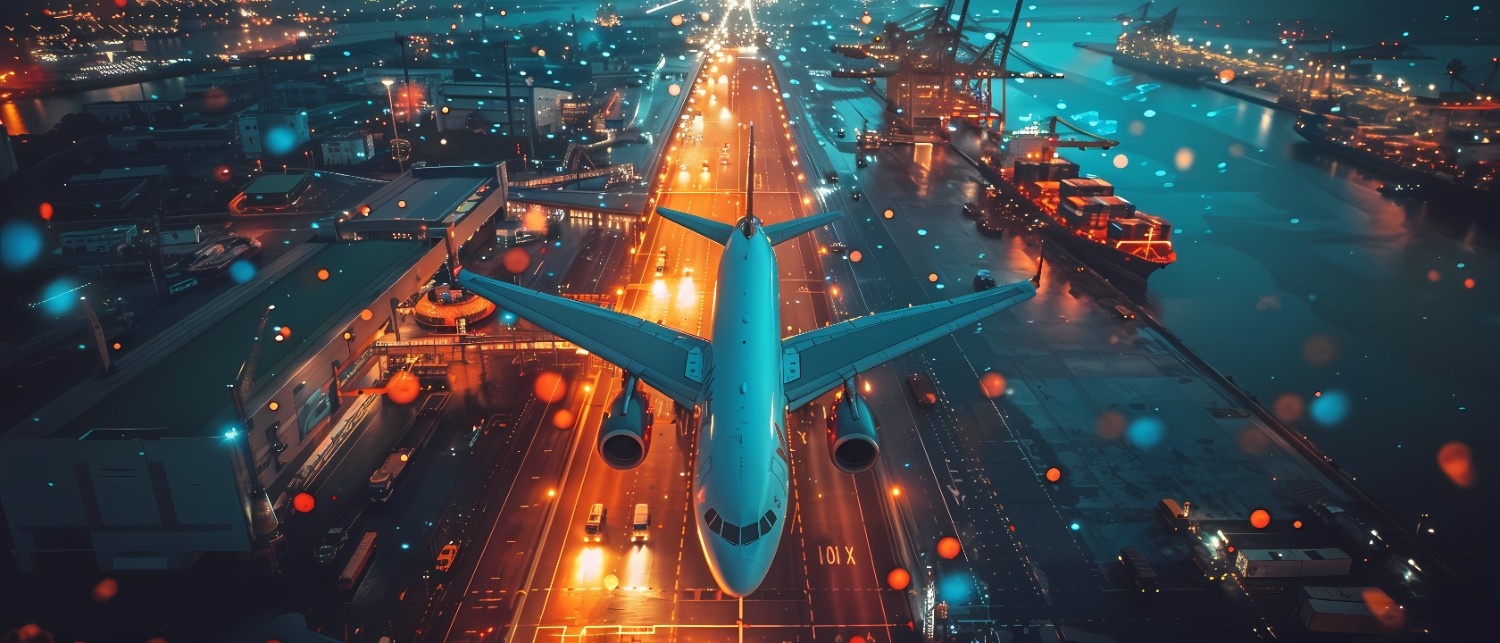
The modern economy is world trade. All the products in a store shelf, all the parts in a smartphone, and all the fuel used in powering industries probably went through one of the trade lanes of the world. Knowledge of these international shipping routes is more vital than ever before in 2025. The world’s trade routes are undergoing the most significant overhaul in decades as technology advances and globalization shifts the routes of goods transportation due to geopolitics. that next-day deliveries and global disruptions can occur in the same breath, operating smoother, faster, and smarter supply chains.
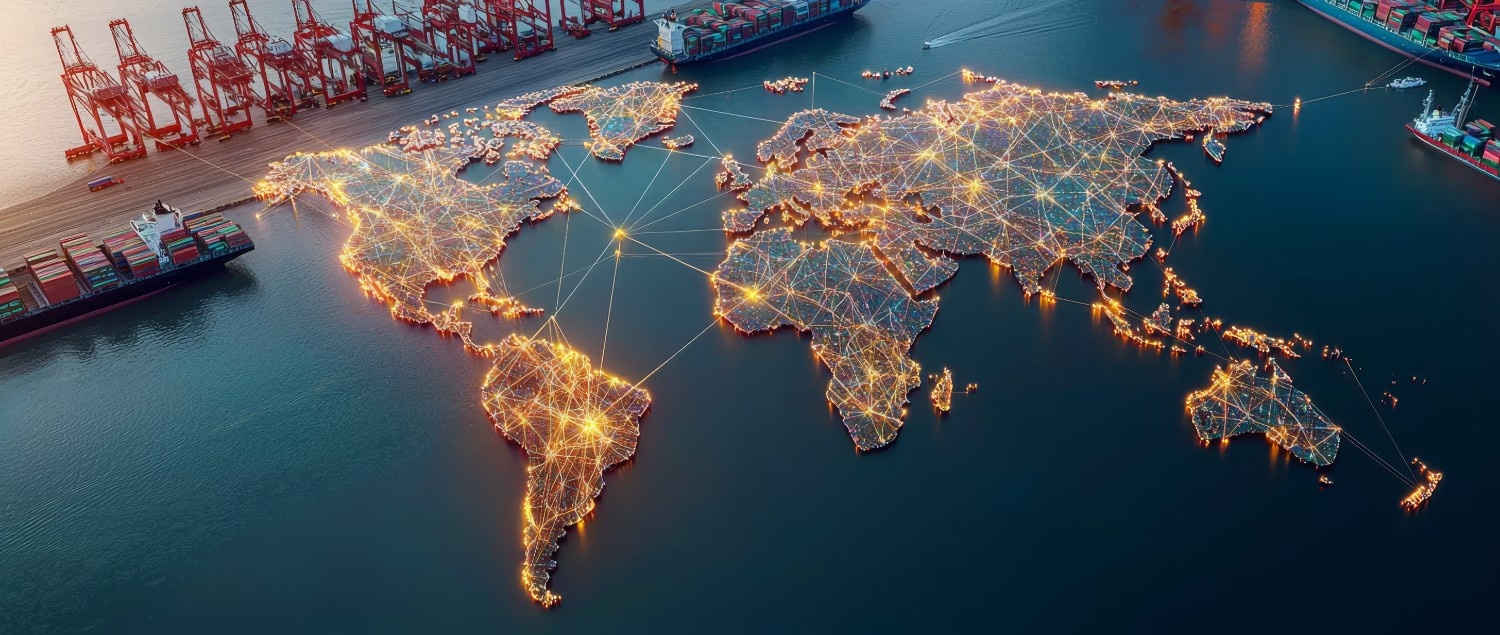
The reason Global Trade Lanes Matter
Approximately 90% of global trade is by sea, amounting to over 14 trillion in merchandise annually. They are not only trade routes in the real sense of the word, but these trade routes are also the veins of globalization, linking factories to consumers, energy producers to complete economies.
The Asia-Europe Mainline: The Lifeblood of the Manufacturing
The Asia-Europe mainline, also known as the East-West trade corridor, is no pathway like global commerce. It is the path that connects the manufacturing giants of Asia (China, Vietnam, India, and Malaysia) to the huge consumer markets of Europe.
In 2025, this corridor is evolving. With China’s moderation in its manufacturing leadership, Southeast Asian nations, such as Thailand and Indonesia, are increasingly emerging as new links in the chain. The dynamism of the route has led to heavy investment in ports such as Rotterdam, Hamburg, and Antwerp in digital infrastructure and green fuels to support the increased volumes of trade.
The Trans-Pacific Route: The Digital Economy Power Line
Provided that the Asia-Europe route drives manufacturing, the Trans-Pacific drive is the one that drives e-commerce and tech flows. Linking the manufacturing centers of East Asia and the leading consumer market of North America, this trade route transports trillions of dollars of electronic, consumer goods, and automobile parts every year.
In 2025, congestion prediction tools based on AI and digital twins will be implemented in ports such as Los Angeles, Long Beach, and Vancouver to reduce port backlogs. In the meantime, Asian ports including Shanghai and Busan are testing autonomous docking vessels and increasing capacity to take electric cars and semiconductor deliveries.
As trade relations between the U.S. and China change, businesses are becoming more diversified. Vietnam, the Philippines, and India have seen exports through the Trans-Pacific rise by over 12 per cent year on year, a sign of the development of China+1 manufacturing strategies.
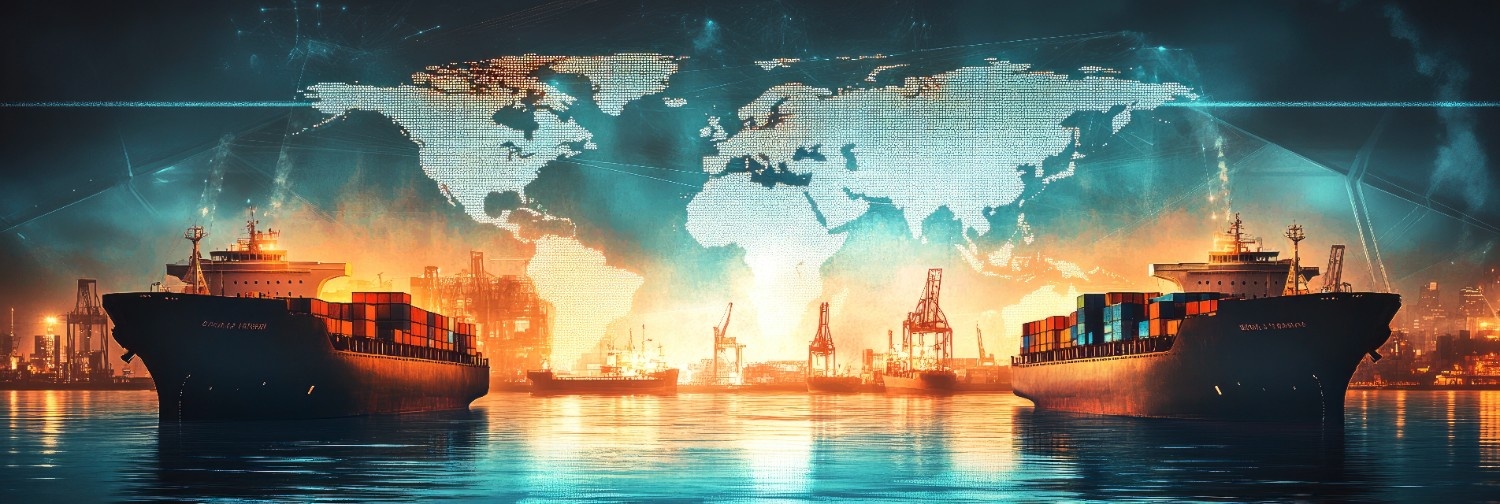
The Trans-Atlantic Route: A Time-Honored Powerhouse Re-Invented
The Trans-Atlantic route is one of the oldest and most stable shipping routes in the world, connecting Europe and North America. It is very important in the transportation of industrial machinery, automobiles, and consumer goods.
This route is acquiring a new life in 2025 with sustainability-related shipping innovation. Wind-assisted cargo ships and biofuel-powered ships are being tried on green shipping routes between Rotterdam, New York, and Montreal, and do not compromise reliability.
The Middle East and Africa: A New Maritime Center
Asia and the Americas are the dominant powers in world trade, but the Middle East and Africa are becoming dominant. The Strait of Hormuz, through which most of the oil in the world passes, is also a hot spot. In the meantime, Africa is also witnessing the emergence of new trade routes between ports in West Africa, such as Lagos and Abidjan, and Europe and Asia.
The Indian Ocean maritime route that runs across East Africa and Southeast Asia has resurrected the ancient maritime practices with the new logistics. New direct flights between Singapore and Mombasa are reducing the travel time and diversifying sourcing strategies across the world.
The Northern Seas Route: The New Arctic Highway
The Northern Sea Route (NSR), once a dream destination for navigators, is slowly becoming a reality due to climate change and technological advancements. The NSR runs along the coast of the Arctic Ocean in Russia and provides a route between Europe and Asia that is up to 40% shorter than the Suez route in seasons when maritime transit is possible.
But still it has its hardships. Higher costs are due to ice-class ships and stringent environmental rules. Nevertheless, as key energy shippers such as Norway and Russia invest in Arctic-bound LNG fleets, analysts believe that the commercial volume of transit across this route will continue to rise over the decade.
By 2025, businesses will be making experimental trips over the NSR in summer, and insurers and governments will be working together to reduce the environmental impact of Arctic traffic.
Chokepoints and Challenges 2025
The greatest weaknesses in shipping are chokepoints: the Suez Canal, Panama Canal, Strait of Malacca, and the Bosporus Strait. These are small corridors on which global trade has thrived but are now being stretched by droughts, congestion, and political turmoil.
In the case of the Panama Canal, it is witnessing lower capacity as a result of low water levels- some ships have to re-route along Cape Horn. In the meantime, congestion in the Malacca Strait is increasing as shipping production from Asia grows exponentially.
Shipping lines are also resorting to multimodal networks in order to counter these strains. The connection between rail, ports, and inland waterways is also making cargo more flexible, helping avoid congested areas. Carriers are also assisted by AI route planners and predictive weather systems to anticipate disruptions before they transform into expensive delays.
Technology: The Unseen Guide in Contemporary Trade
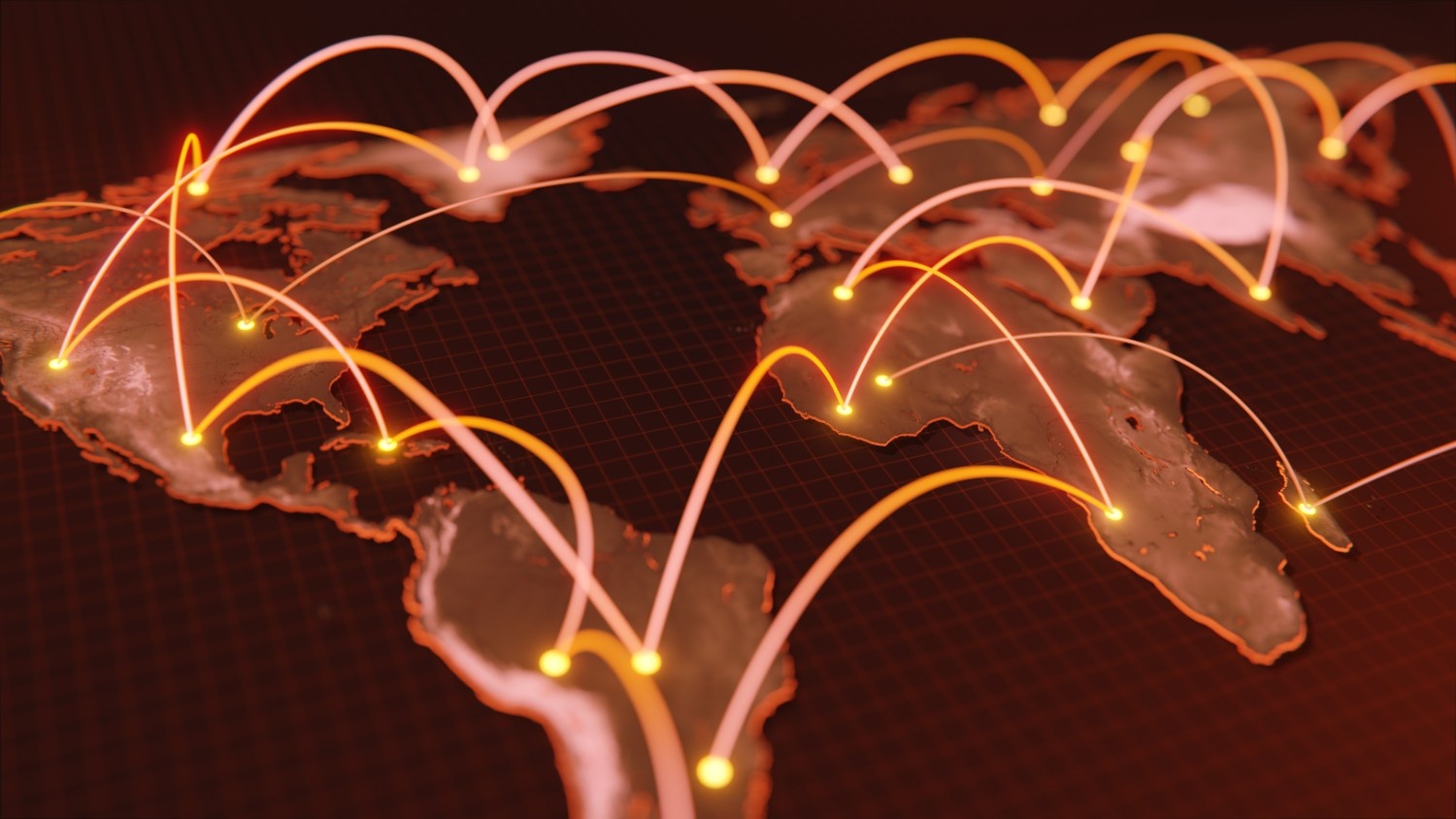
The trade lanes that will define global trade in 2025 are not determined by geography but by data. AI, IoT, and blockchain technologies are developing smart trade systems.
Artificial intelligence can forecast congestion areas weeks in advance. Paperwork flows in the direction of a click with the help of blockchain. IoT sensors provide real-time information to the port authorities and predict the arrivals within an hour.
This is not only a logistics luxury, but it is critical to survival in a period when energy security, carbon goals, and climate hazards are reshaping the game in global shipping.
Final Thoughts
Trade lanes are not merely a route on a map; they are the lifelines of world prosperity. Although the currents and lanes in the ocean may be centuries old, the way we move through them is rapidly evolving.
In 2025, it is not about the control of the seas that will make a company successful in global logistics, but it is about the ability to master the data and adapt to disruptions, as well as reconsider how goods bind our world together. The great paths of history are entering a new digital age, and the individuals who perceive their flows, physical and economic, will determine the direction of the further generation of global trade.