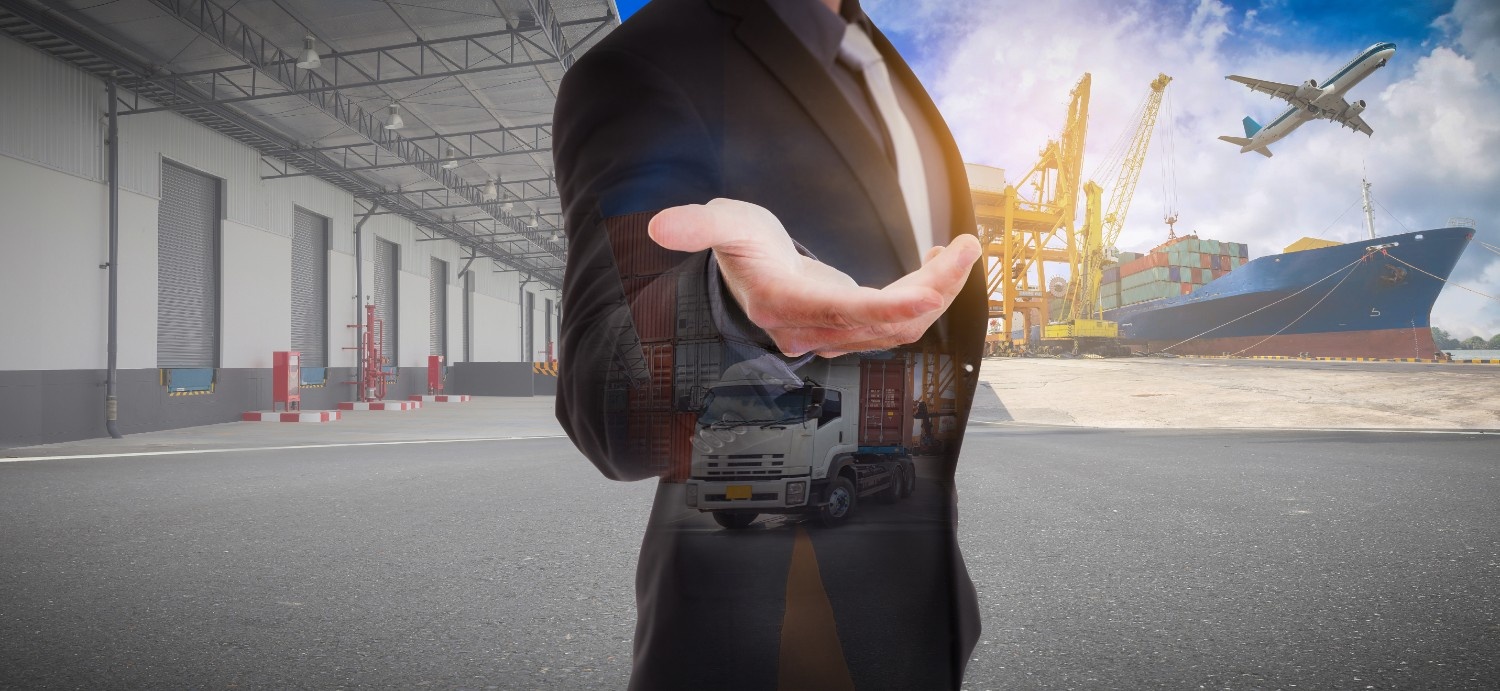
Logistics might seem like a game of accuracy, with thousands of moving parts, coordination, no margin, and no mistakes allowed. However, even in 2025, the basis of logistics remains a mere one-similar structure that is the Seven Rights. These seven concepts, commonly known as the 7 Rs of Logistics, may seem outdated, yet in the era of technological advancements and AI use in the industry, they are as applicable as ever.
It is to the companies that have mastered the seven rights that next-day deliveries and global disruptions can occur in the same breath, operating smoother, faster, and smarter supply chains.

The Seven Rules of Logistics
The Seven Rights are a guiding philosophy for efficiency that ensures operations are accurate and consistent. They are not complicated but effective: the correct product, at the correct amount, at the correct condition, delivered to the correct customer, at the correct location, at the correct time and at the correct cost.
We can deconstruct what each of these means and why they remain relevant today.
The Right Product
It all starts with the product. Getting the right product means providing the exact product the customer ordered. Sounds obvious. However, mispicks, design mistakes, or supplier confusion continue to cost companies billions of dollars annually.
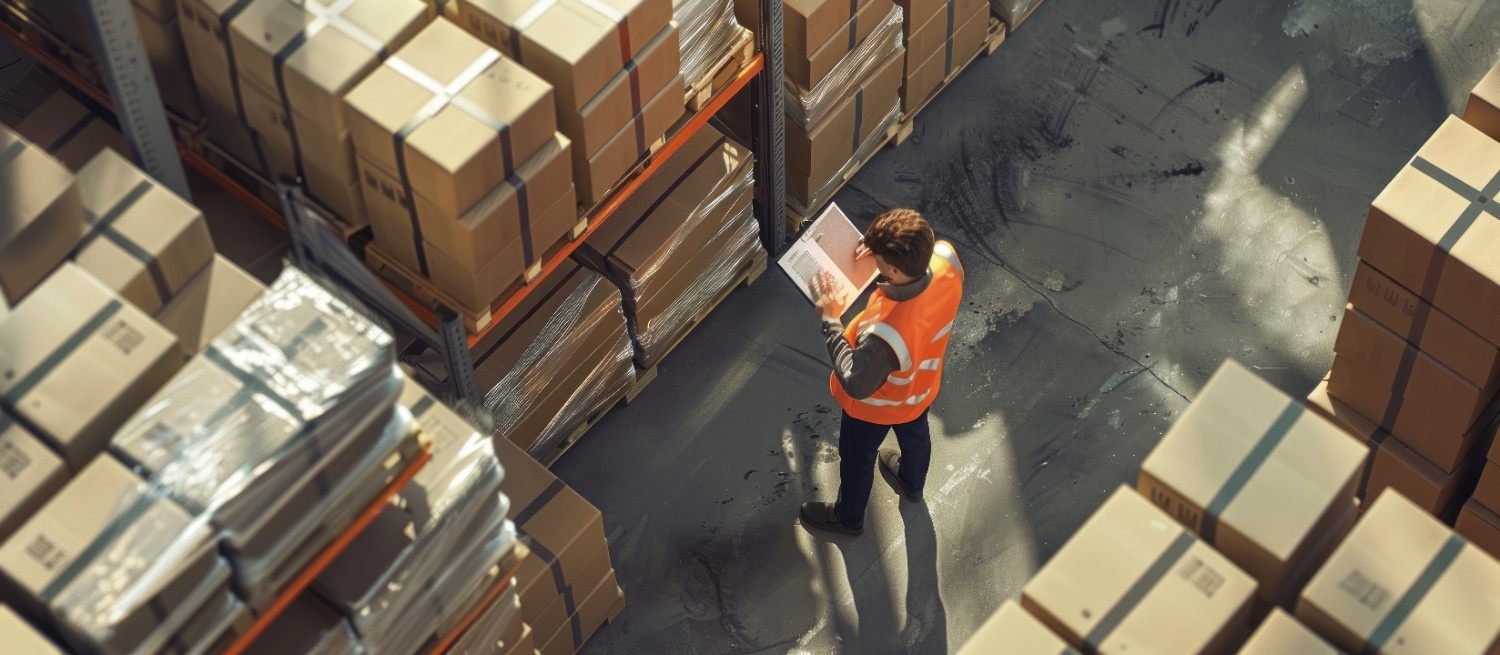
The accuracy is more precise than ever in 2025, thanks to AI-powered inventory and order verification tools. For example, smart scanners with digital twins (simulations of a warehouse environment) check every SKU at multiple stages, ensuring no product misfits by up to 40%
The Right Quantity
Miscalculating the quantity received by a customer is sure to end customer satisfaction. Take too little cargo, and you make people feel frustrated. Ship excessively, and lose money and returns.
With current demand forecasting tools, businesses have come to depend on predictive analytics rather than running their businesses by guessing. Machine learning platforms can analyze purchasing behavior and seasonal trends to optimize real-time inventory.
AI-based planning has already decreased stock imbalances by 25% in 2025 by companies such as Amazon and Maersk.
The Right Condition
It can be fresh produce, drugs, furniture, and electronics; goods should be there on the agreed time. Packaging, in-transit handling, and monitoring are essential to the right condition.
This has been taken to the next level in 2025 with the use of IoT (Internet of Things) technology. Containers and vehicles have sensors that monitor the temperature, humidity, and vibration in real time. When a refrigerated shipment falls out of the acceptable range, alerts are sent in real time, allowing intervention before the product goes bad.
In the case of DHL, the company employs IoT technology in cold chain logistics to maintain the medical supplies at 2-8 °C throughout transit, reaching almost zero spoilage in 2025.
The Right Place
Transporting commodities to their intended destinations requires optimal routing and distribution network design. Deliveries are lost due to missed drop-off points or reaching the wrong facility, resulting in costly inefficiencies.
GIS mapping, when combined with route optimization software, can now benefit from more accurate location intelligence. AI-powered systems, such as Oracle’s transportation management platform, can compute millions of route combinations in seconds, reducing travel time and fuel consumption.
In India, digitally synchronized road-rail-ports systems will reduce intercity delivery delays by 20% by 2025, while multimodal transport integration will reduce transport delivery delays by more than 18%.
The Right Time
Time is queen, but speed is king. The most important performance measure in logistics is the delivery of goods in time, which can be on the next day, same day, or scheduled. There is also a high level of customer expectation in 2025 due to e-commerce competition and the digitization of global supply chains.
The use of real-time visibility tools has transformed how companies meet deadlines. Predictive analytics are applied within the freight companies to predict delays based on weather forecasts and traffic conditions. Urban deliveries within short routes are accelerating with the use of drones and autonomous cars, which can reduce turnaround time by 20-30%.
Firms that can record 96% or more on-time delivery in 2025 are doing better than other firms in almost all industries.
The Right Customer
It is not only about ensuring an address is correct, but also about individualizing the customer and matching the service. The needs of each segment differ. A B2B distributor will order in bulk and delivery should be at a loading dock but B2Ccustomer must have delivery at his doorstep within a narrow window.
This is where data comes in as a savior. This is made possible through CRM integration with order management software which allows the logistics providers to optimize routes, type of service and notifications based on the type of customer. One-to-one experiences have become the new frontier of purchasing loyalty, and in the year 2025, 78% of the logistics clients will value customized services when choosing their providers.
The Right Cost
Lastly, the golden rule- reduce the total cost of logistics without violating other rights. Speed, quality and efficiency all are balanced in pricing.
A sweet spot is being discovered with the help of AI powered optimization tools. This has enabled logistics companies to achieve the average cost of freight per order percentage by 12% lower in 2025 by adjusting shipping routes, warehouse placement and carrier rates in real time.
Sustainability is an additional level. Greener operations, such as switching to electric fleets or alternative fuels, can be expensive in the short term but be cost-efficient and with tax benefits over time.
Why These Seven Rights Are Not Obsolete in 2025
The only difference about the seven rights is that they are timeless. However digital, autonomous and even AI-driven the logistics becomes, these basics are the north-star.
The Seven Rights are currently being automated, monitored, and perfected using technology in the world in which 80% of supply chain experts identify the visibility and accuracy as the greatest competitive advantage.
However, human factors, attention to detail, customer sympathy and problem-solving are what continue to break or make success. Efficiency is improved by tech, though, it is the professionals in logistics who maintain the accuracy that ensures smooth running of supply chains.
Final Thoughts
The Seven Rights may not be tough, but to achieve all seven rights each and every day is what makes good operations great. It does not even mean the transportation of goods in 2025, but rather about organizing a symphony of technology, data and human knowledge that will bring those seven principles to life.
Whether you are mapping the route as a beginner or are as old as a supply chain and are reading about blockchain transparency, it is important to remember that the seven rights continue to control logistics, and learning to do them is how you are able to keep business on track.