India’s position as a global leader in diamond and drug exports, particularly to China, is one of the more unbelievable trade stories of 2025. By rugged competition and similar export profiles in most sectors, Indian firms consistently dominate these two categories where others fail. What is the magic ingredient, and what can other exporters learn?
Diamonds: Cutting Through Tariffs with Craft and Trust
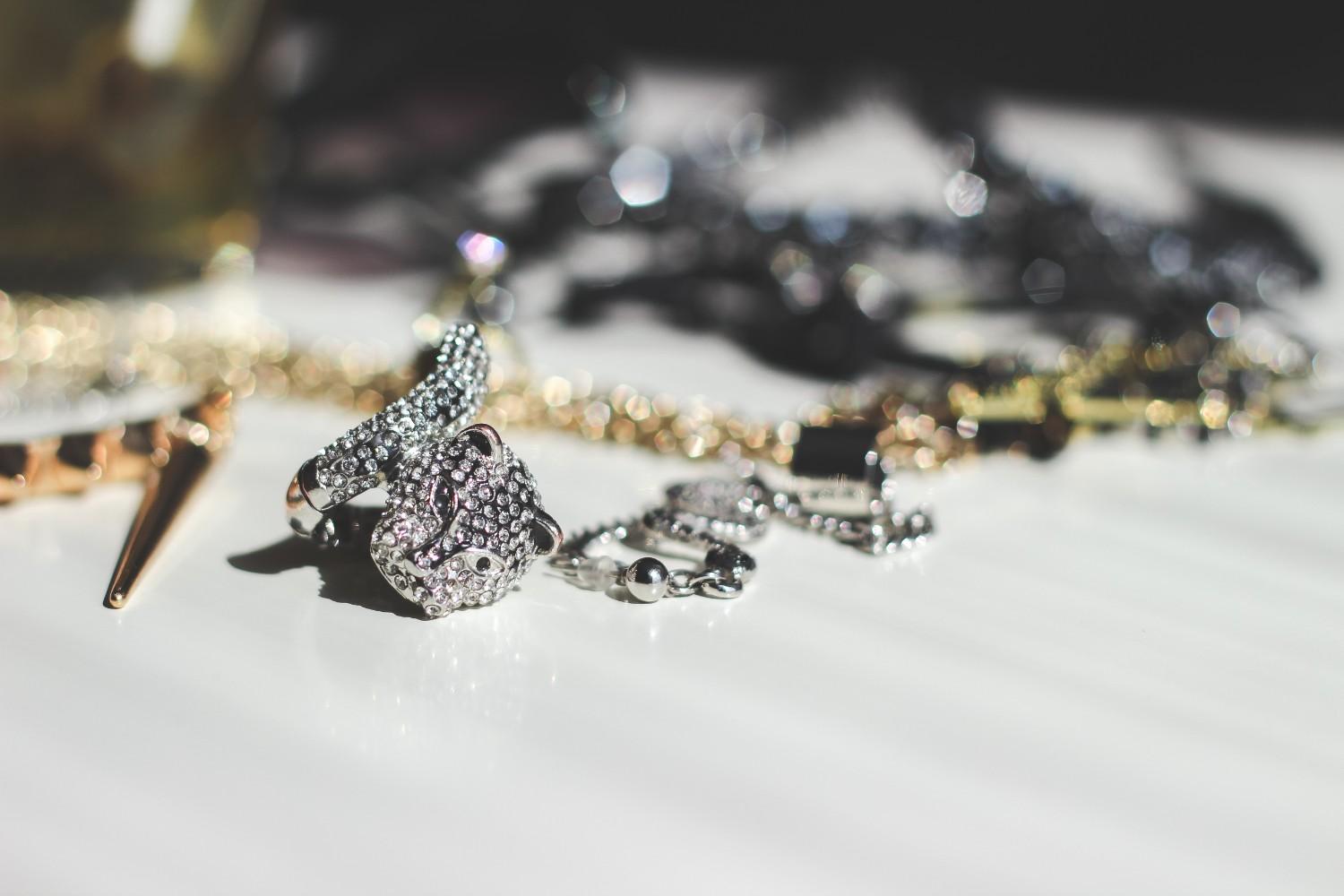
Indian diamond cutters and polishers slice and shape more than 90% of the world’s gems annually, and their products have found a strong customer base in China. Even in 2025, though dips globally take a toll and tariffs add pressure, India’s relationship with Chinese buyers is unlike any other. Between April and September, Indian exports of total gems and jewelry increased by 3.66%, even as the US market declined by more than 40%. While US-bound cut-and-polished diamond shipments declined to below $1.1 billion, Chinese and Hong Kong demand served as an important cushion.
Why is India so Robust?
Firstly, India’s Surat-based polishing industry is well rooted in supply chains that feed directly into China’s sprawling jewelry centers. Chinese businesses invest in certification and training procedures for Indian cutters to sustain traceability and quality along the supply chain. Indian businesses do not just ship products but deliver expertise, customization, and relationship-driven services that other countries cannot easily replicate.
Second, India’s nimbleness enables negotiators to shift at lightning pace in response to fluctuating demand from natural to synthetic, for instance, relying on an urban Chinese preference. Such responsiveness affords one of the reasons Indian diamond exports to China remained at about $3.2 billion during FY25 despite China’s own economic instability. Few can equal the same magnitude, reliability, or quick turnabout, so India is still the go-to supplier even during hard times.

Pharmaceuticals: The Ultimate Quality and Trust Test
Pharma is yet another sector where India’s story defies the norm and teaches lessons. It is an established fact that India is the world champion in the manufacture of low-cost, high-quality generic medicines. In 2025, India supplied nearly $84 million worth of pharmaceuticals to China, a steady figure that speaks volumes about the level of trust and regulatory approval. Given the rigorous regulatory climate in China, even maintaining market share is a reward for absolute excellence.
China’s turn towards expensive biologics and patented drugs means local firms no longer focus on inexpensive generics.
Enter India. With generations of expertise in regulatory compliance, stable supply, and established scale, Indian pharma exporters have found loyal partners in China’s public and private health sectors. Indian companies also bank on China if they need to fill gaps in vaccines and small molecules, especially since global trends emphasize supply chain resilience and cost sensitivities over single-country sourcing. In China’s drug industry, compliance is the only thing that counts. India’s credentials in ensuring quality benchmarking, along with seamless electronic reporting and frequent audits, have separated it from the pack. Agility in developing, scaling up manufacturing, and obtaining regulatory clearances ensures seamless export flows even as China hastens to bypass generics. The tie-up has evolved from transactional trade to a co-development and technical partnership center. Why do these industries excel?
So, what’s the takeaway from India’s pharma and diamond edge in China? Three distinct trends are evident:
- Deep Integration and Trust:Both sectors are founded on long-term, bottom-up relationships. Whether it is cutting diamond cutters or negotiating with regulatory authorities in pharma, Indian firms invest in partnerships and technological compatibility. Such integration erects barriers to entry that no fast competitor can surmount.
- Conformity and Flexibility:Indian exporters adapt their products to changing Chinese tastes, from fashionable diamond cuts in high-end boutiques to specialty generics and biosimilars. For the pharma industry, willingness to change processes to accommodate China’s stringent audits has paid a massive dividend.
- Resilience and Reputation:India’s eagerness to oblige, even in times of adversity, makes it indispensable. When other suppliers are lacking in price or complexity, Indian firms step in,establishing confidence in the long run.
Lessons for Other Indian Export Sectors
Exporters across all sectors can learn a great deal from these cases. Price competitiveness is not enough. It pays to build technical know-how, follow local specifications, and invest in long-term relationship-building. Compliance and reliability of controlled items are valuable assets from good suppliers.
Storytelling does not hurt either. Generic and Indian diamond origin stories allow Chinese consumers to relate to authenticity and worth even in the event of a shift in global fashion.

Conclusion: The Road Ahead
India’s leadership in diamonds and pharma is no accident. It’s a result of putting skills together, investing in quality, and building relationships that last. As the new export industries begin to take shape, the same techniques, agility, teamwork, and unstoppable dedication to trust will probably mark the difference between the winners and losers. The diamond and pharma playbooks would be well emulated by other sectors as India’s trade with China keeps evolving.