
The struggle between India and China for technology leadership is not taking place solely in corporate boardrooms or press releases. It is at factory shop floors, in lines of code, and on the glass of solar cells or the teeth of plastic equipment. The battle of the intelligent manufacturing technology stack – industrial IoT, automation, and electric vehicle supply chains – is the most read story in 2025, but old observers have a sense that there is more cooperation (and subtlety) than people realize.
Shockwave in Tariffs: The Importance of the US-China Trade War
There is no use beating around the bush: China is the world’s manufacturing giant, with decades of investment in automation and a seamless supply chain, and today it has its Made in China 2025 digital policy. The situation, however, is transforming rapidly. India, powered by government-backed Production Linked Incentive (PLI) schemes and a booming workforce, is today the world’s future star in supply chain diversification.
Did you hear this statistic? Factory production in India hit a record PMI of 59.8 in August 2025, and the manufacturing contribution to GDP was 17% – the highest in a decade. Add that to the 4.6% year-over-year growth in the GDP of China (the slowest since COVID), and you understand why companies are hedging. The real fight? Smart manufacturing technology stacks.
IoT and Automation: The Essence of Smart Manufacturing
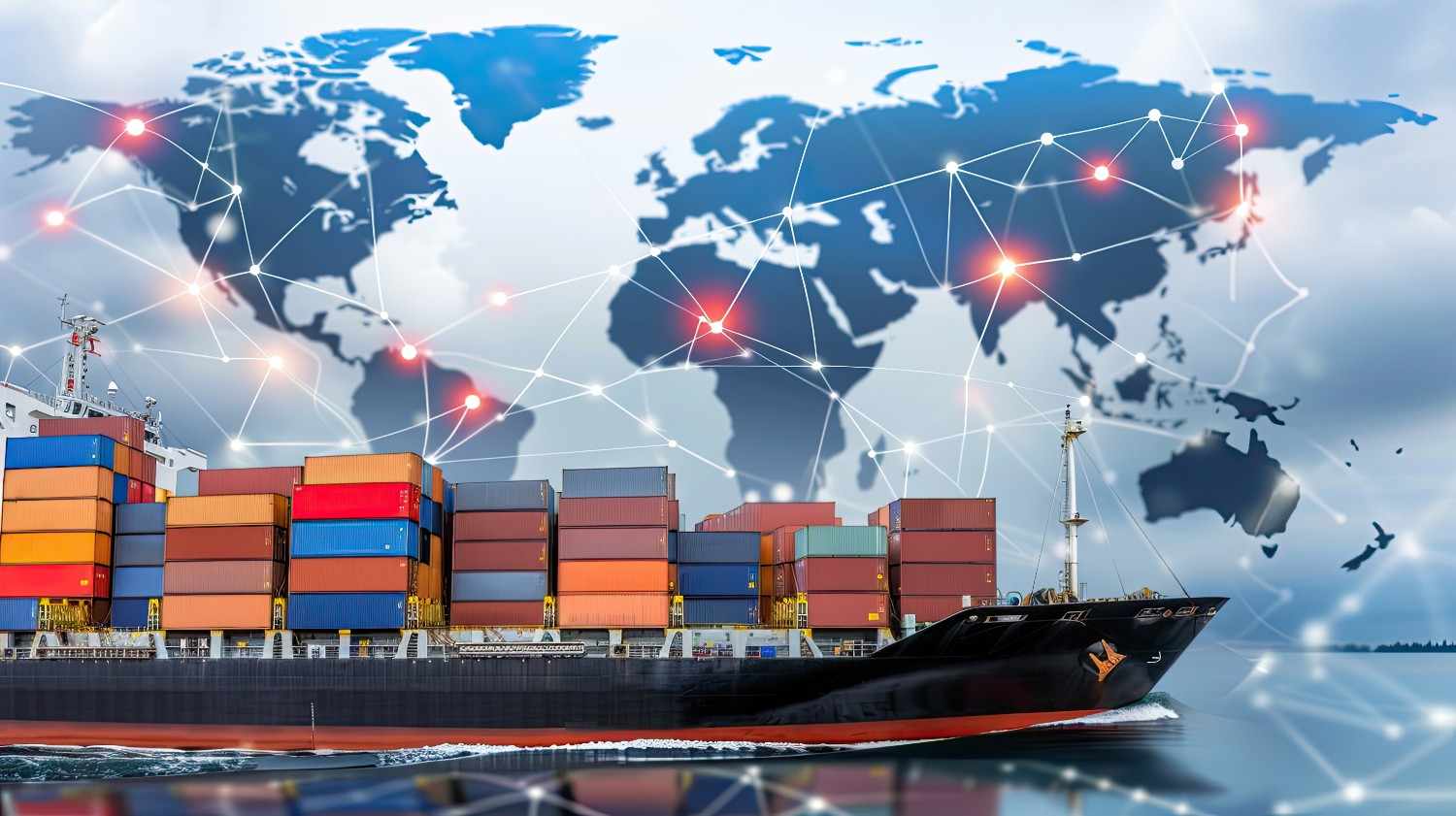
The Internet of Things (IoT) is the focus of this struggle. Factories are not just digitized in 2025, but also highly interconnected, full of sensors that detect indicators such as moisture content, machine vibration, etc., enabling predictive maintenance and dynamic production. The scale of the construction of smart factories in China remains unparalleled: there are over 30,000 Chinese digital workshops today that have simplified work processes and production. But don’t write India off.
In specific cases, plastics, auto ancillaries, and solar, Indian companies are catching up. They are implementing AI/ML-enabled IoT solutions designed to achieve yield, reduce waste, and meet even stricter international standards. An example is that Tata Steel currently uses AI-based quality monitoring on IoT-based production lines, and minor plastic processing facilities and solar module startups across Gujarat and Tamil Nadu are using energy use algorithms to reduce cost.
The access is what has revolutionized the game. Government subsidies and digital infrastructure can now allow Indian SMEs to buy smart injection molding machines with real-time feedback of processes, an investment that only global behemoths could afford five years ago. This democratization of sophistication is challenging China’s low-cost advantage even as Chinese firms are introducing ever more upgrades.
Plastics Machinery: An Industry on the Move
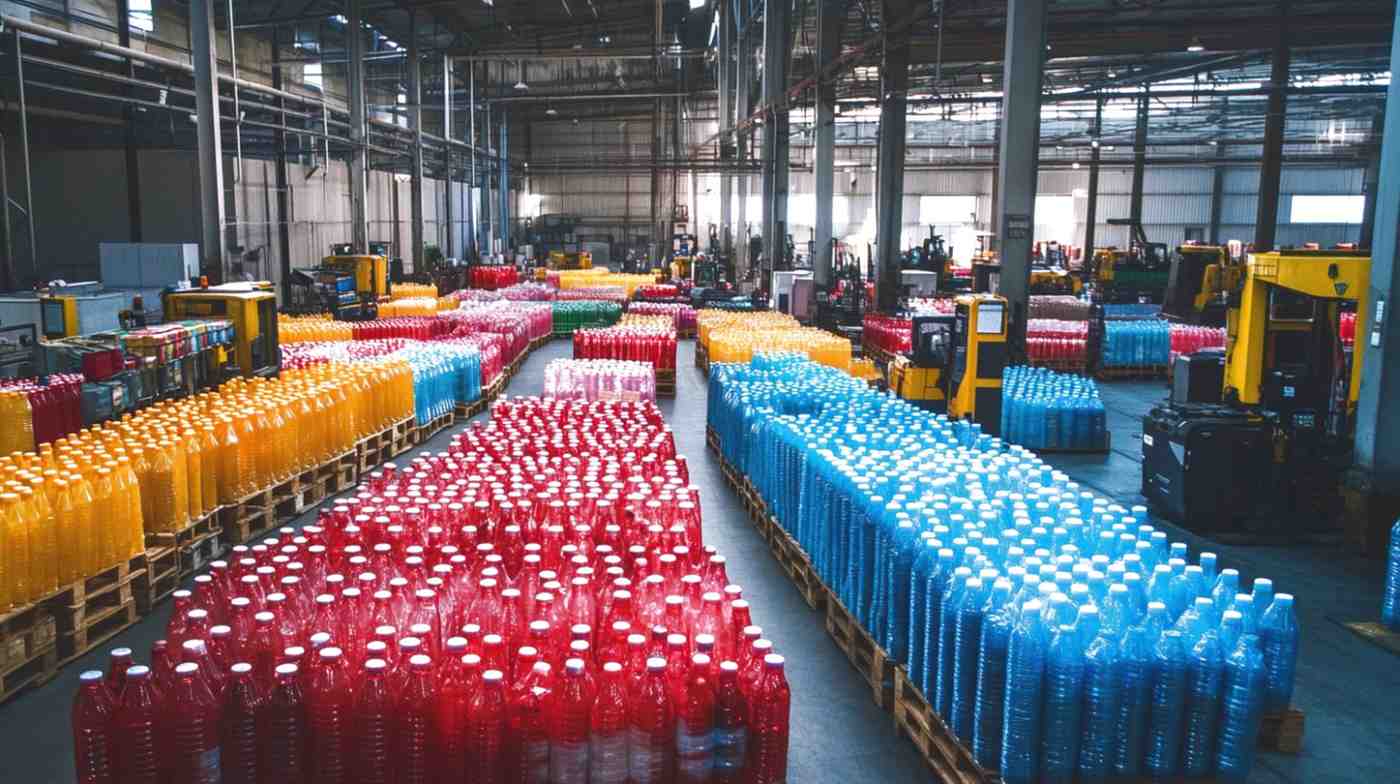
A closer look at the plastics machinery industry will reveal the process of competition and collaboration. Manufacturers in China, led by showcases such as CHINAPLAS 2025, are driving the development of fully electric, sensor-filled injection molding machines that can communicate with the cloud to monitor energy use and troubleshoot remotely.
Indian manufacturers are retaliating by having an equally automation effort, combining all-electric machines with IoT boards and the ability to use multi-cavity molds. The trick, though, is that, highly competitive as these Indian plastics firms are in terms of price and scale, they nevertheless build much of their drives, controllers, and sensor packages based on imported, modified, and locally assembled Chinese components. The software partnerships of strategy tool design and controls are everywhere as both sides struggle to gain market share.
Partnerships are there on the surface. Some Indian SMEs use Chinese smart control modules and develop their proprietary cloud analytics layers internally to sell added value services all over the globe. Others also co-create proprietary code together with the Chinese automation specialists-the borders are breaking down even as business competition increases.
Solar Supply Chains: The Power Play
Another microspace of the tech stack battle of wills is the solar panel industry. China produces nearly 75% of the world’s PV panels and remains the export giant, with a 73% increase in solar cell exports in 2025, a large share of which will be to India, Europe, and new African nations. But India is now redoubling its bets, with the pretension to manufacturing power of its own, and making a claim to supply chain resilience.
India’s solar potential nearly doubled in a single year, reaching 74 GW of module manufacturing and 25 GW of cell manufacturing in March 2025 – fueled by enduring government incentives, tariffs, and localization policies. Although Chinese wafers and chemicals are key inputs, India is fast emerging with integrated production set ups between ingots and panels in solar strong states.
Indian and Chinese players are occasionally collaborating with joint ventures in designing inverters or in recycling technology, and multinational companies are converging supply chains. Amazingly, the majority of Indian manufacturers, especially new solar manufacturers, acquire their automation systems and robots not only from Chinese suppliers but also with the promise of high efficiency and competitiveness.
Electric Vehicle (EV) Supply Chains: Charging Ahead
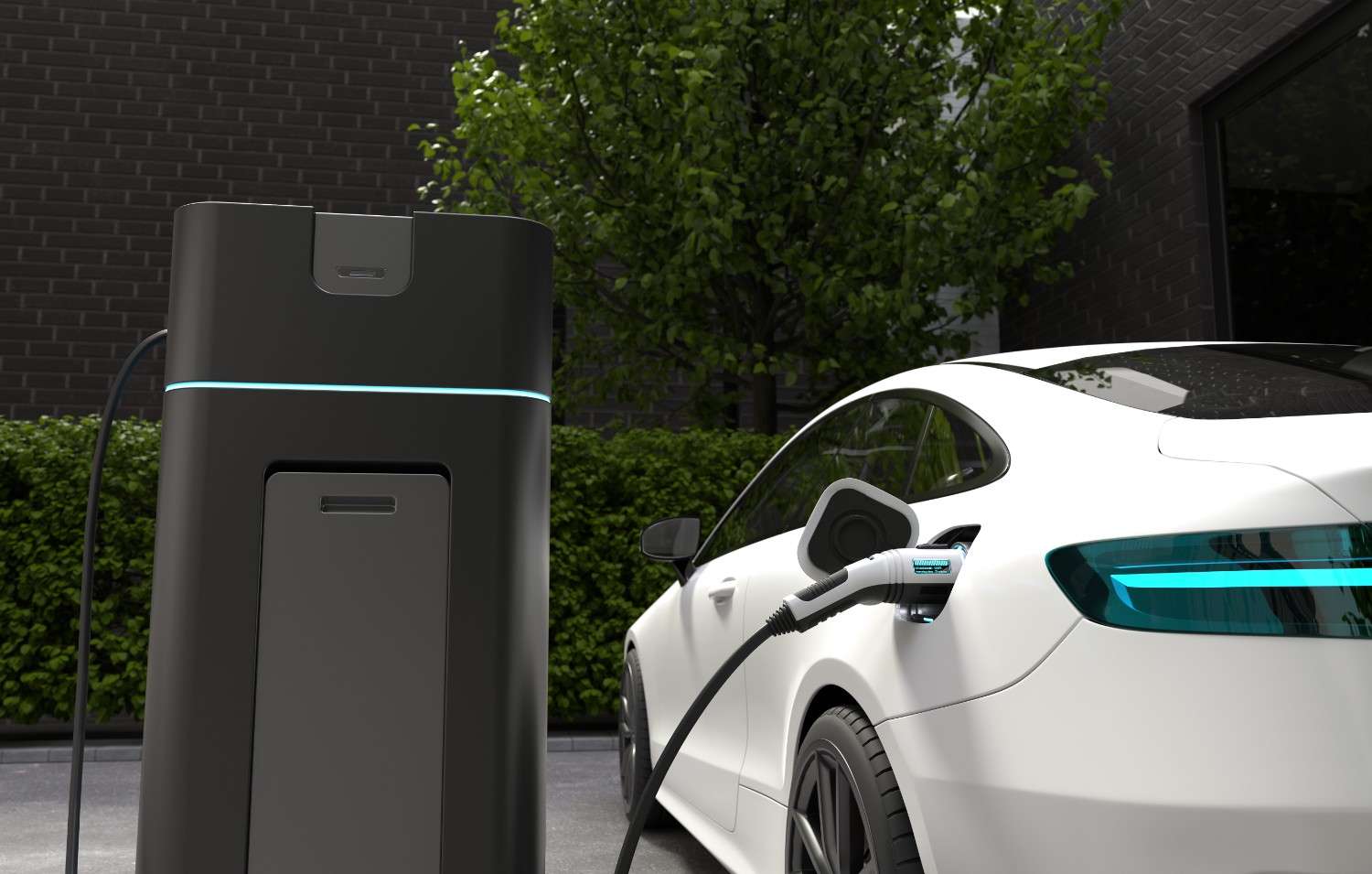
EVs offer a valuable example of competitiveness as a driver of innovation. China is ahead in terms of batteries, motor and assembly, but India is accelerating in its EV sector -Tata Motors, JSW, and Mahindra are recording their highest sales and scale of production by 2025 bookends. The attempts of Chinese entrants like BYD to establish a foothold have been challenged; however, the made-in-India supply chain has opened up competition amid rising tariffs, and the made-in-India push supply chain.
Admittedly, for most EV start-ups and second-tier suppliers, Chinese components (especially batteries and high-end magnets) remain the key. But battery technology is still young, and India is set to establish its own Gigafactories. As a result, it has become the order of the day to make clever manufacturing alliances and technology transfer arrangements-Indian companies increase volume or shift to new chemistries, frequently with Chinese engineering advisers at their fingertips.
The result: an interconnected competition, where each party will be more innovative, and at the same time, recognize the common good, especially when global EV demand threatens to outpace supply.
The Future: Teamwork in Competition
There is nothing like 2025 that has demonstrated that China and India are connected to the tech stack of smart manufacturing. The Indian firms are longing to be resilient and diversified, trying to experiment with automation and IoT with the help of government and young ingenuity. Facing the threats of internal slowdowns and inflation in the labor expenses, Chinese companies experiment tirelessly and seek to establish new avenues of export.