
By Jitendra Srivastava
Innovation may feel instant. Supply chains are not.
A smartphone designed in California, assembled in Vietnam, powered by chips from Taiwan, and sold in India completes a journey that is deeply physical. Despite the rise of air cargo and digital trade platforms, ocean freight continues to carry the bulk of the world’s electronics.
According to the United Nations Conference on Trade and Development (UNCTAD), more than 80 percent of global merchandise trade by volume moves by sea. In 2023, global maritime trade volumes crossed 12 billion tons, reaffirming that ocean freight remains the foundation of international commerce.
Electronics is one of the most trade-intensive sectors in that system. The World Trade Organization (WTO) reports that global exports of electrical machinery and electronics exceeded USD 3 trillion in recent years, making it one of the largest merchandise categories in global trade.
Behind every product launch sits a container.
Ocean Freight and the Electronics Economy
Electronics manufacturing is concentrated in Asia, while consumption is globally distributed. The Government of China’s General Administration of Customs continues to report electronics and electrical machinery as one of its top export categories. Similarly, South Korea Customs Service and Taiwan Ministry of Finance data show semiconductors and electronics dominating export value.
From printed circuit boards and batteries to finished consumer devices, these goods move at scale. That scale makes ocean freight indispensable.
Why?
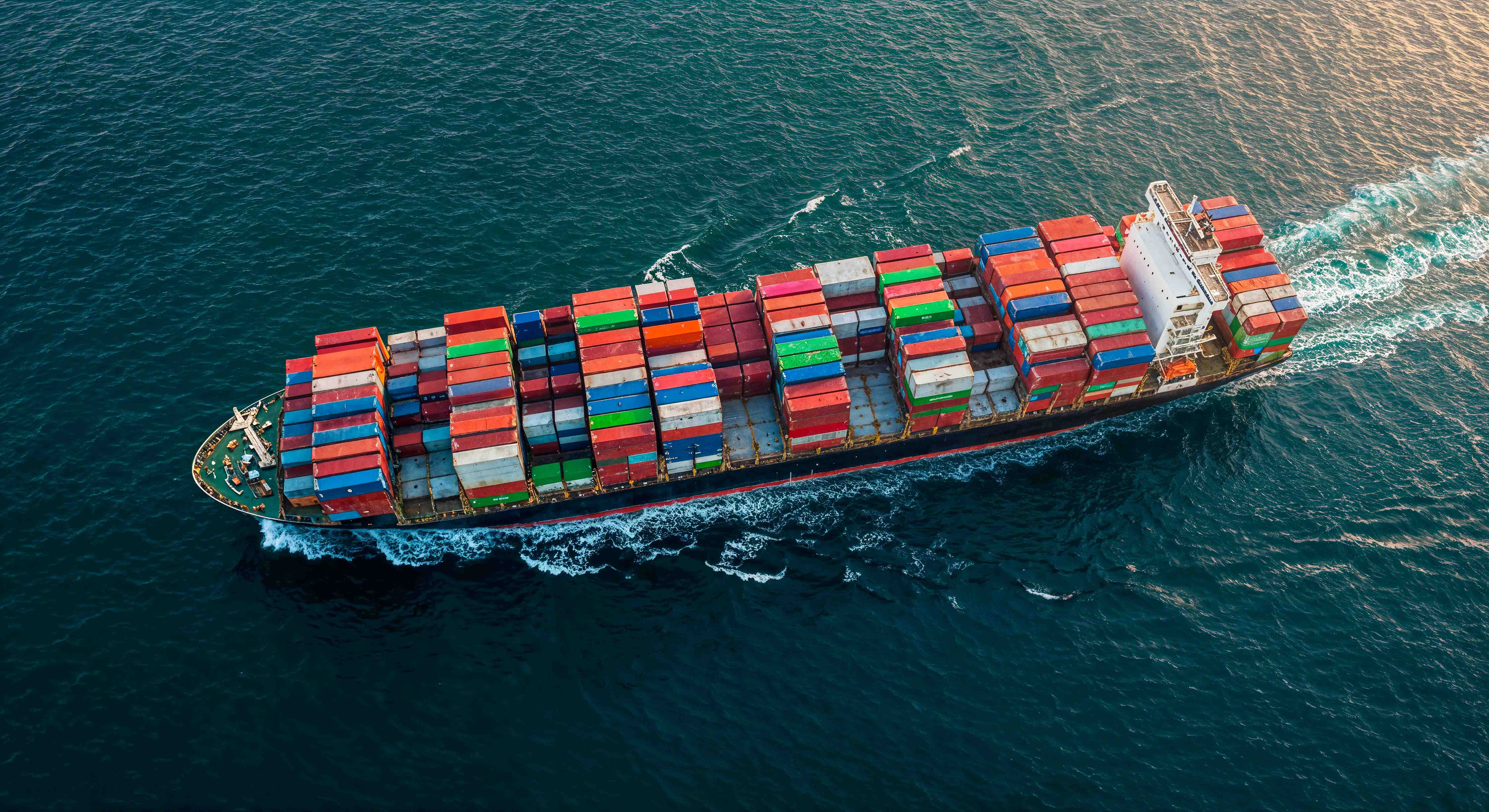
Because no other mode offers the same combination of volume efficiency and cost control. A single ultra large container vessel can carry more than 20,000 TEUs. For electronics brands managing global rollouts, this scale stabilizes distribution costs across continents.
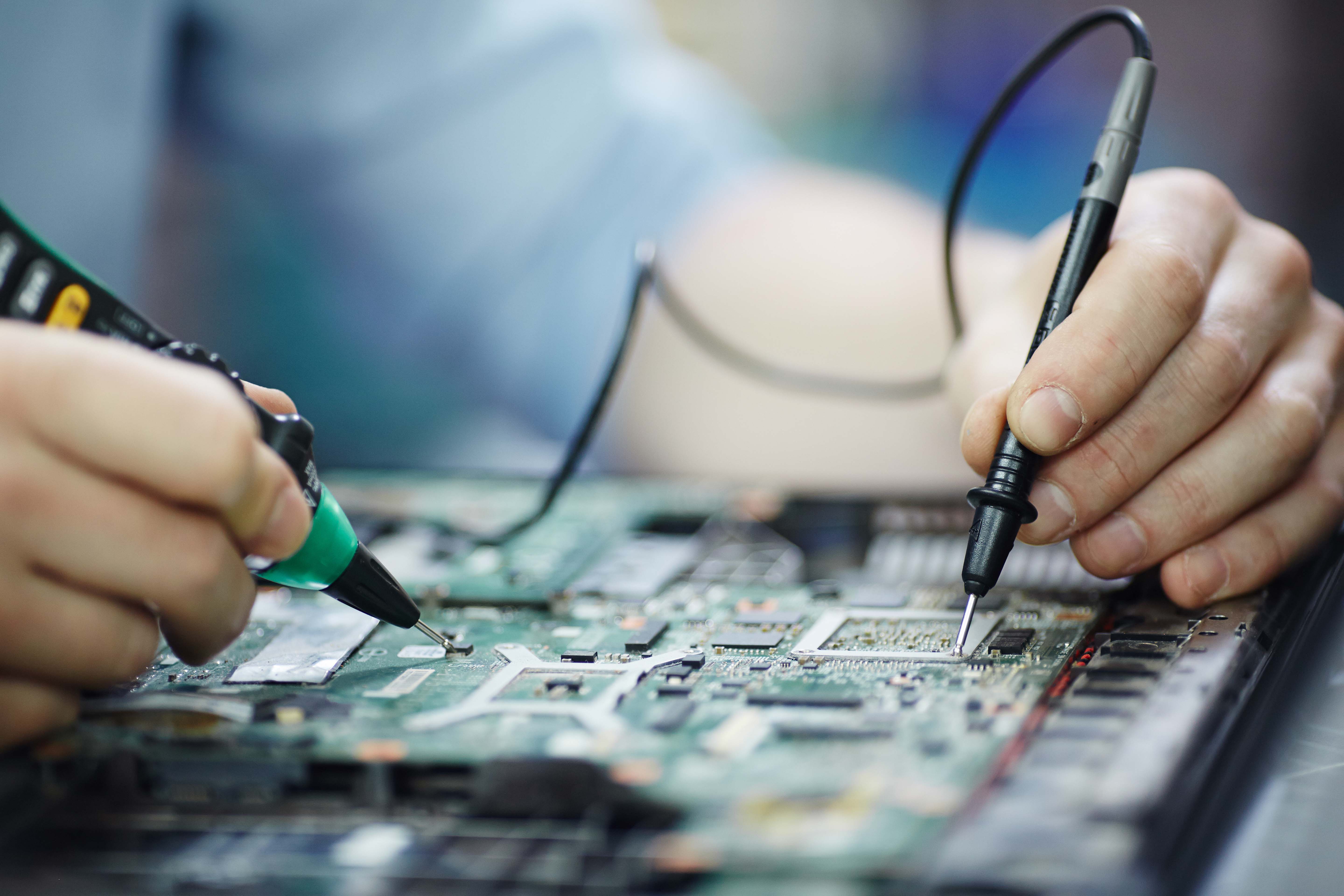
At the same time, electronics cargo demands discipline. Moisture, shock, static, and temperature variation can compromise high value components. Modern containerization, desiccant solutions, and improved stowage practices have evolved precisely to support such sensitive shipments.
Ocean freight today is not just about capacity. It is about controlled scale.
The Data Behind the Dependence
The UNCTAD Review of Maritime Transport 2024 confirms that containerized trade remains central to manufactured goods, including electronics. Asia continues to account for the majority of global container port throughput, with Chinese ports leading global rankings in volume handled.
Meanwhile, the Ministry of Commerce and Industry, Government of India, reports sustained growth in electronics exports under the Production Linked Incentive scheme. India’s electronics exports crossed USD 30 billion in FY 2023-24, reflecting deeper integration into global ocean trade lanes.
What this means for ocean freight is straightforward. Electronics flows are expanding not just from traditional hubs, but from emerging production centers as well.
The lanes remain busy. The nodes are multiplying.
Technology Has Rewritten Ocean Freight
There was a time when ocean freight was viewed as opaque and paper driven. That perception no longer reflects reality.
Major ports worldwide are undergoing automation upgrades. The Port of Singapore Authority (PSA) and several Chinese and European terminals now operate highly automated container handling systems, reducing dwell time and manual error.
Carriers and logistics providers increasingly deploy:
- IoT enabled smart containers that monitor temperature and humidity
- Electronic bills of lading supported by secure digital platforms
- AI assisted route planning to avoid congestion
- Port community systems that streamline customs and terminal coordination
For electronics cargo, this technological overlay is not cosmetic. It reduces risk exposure and improves milestone predictability across long haul ocean freight journeys.
At Triton Maritime & Logistics, we integrate digital tracking and cargo monitoring tools into our ocean freight operations, giving clients milestone visibility and faster exception management.
Visibility builds confidence. Confidence sustains scale.
Strategic Ocean Corridors for Electronics
Global electronics largely move across three high density corridors:
- Asia to Europe
- Asia to North America
- Transatlantic routes
The U.S. Census Bureau consistently identifies electrical machinery and electronics among top U.S. import categories by value, much of which arrives by sea from Asian manufacturing hubs.
European trade statistics similarly reflect strong import volumes of electronics from East and Southeast Asia through major container ports such as Rotterdam and Hamburg.
These corridors are not static. Congestion cycles, geopolitical events, and canal disruptions have demonstrated how quickly ocean freight patterns can shift. Resilient routing strategies now require:
- Multi port loading options
- Alternate transshipment hubs
- Balanced carrier allocation
- Scenario planning around chokepoints
Ocean freight strategy is no longer about lowest rate. It is about route stability.
How We Strengthen Ocean Freight for Technology Brands
Electronics brands require three assurances from their ocean freight partner.
1. Structured Cargo Handling
We work with carriers and terminals that maintain equipment integrity and container standards suitable for high value goods. Pre shipment checks, moisture control, and disciplined documentation reduce exposure to damage and delay.
2. Real Time Milestone Visibility
Our digital systems provide shipment tracking from origin stuffing to final discharge. Electronics manufacturers gain transparency across sailing schedules, port calls, and customs milestones.
3. Integrated Multimodal Flexibility
Ocean freight does not operate in isolation. When urgency spikes, sea air combinations or selective air freight uplift may be required. Our integrated service model allows clients to pivot without disrupting broader distribution plans.
Electronics supply chains demand both scale and agility. Ocean freight provides the scale. Integrated planning provides the agility.
Ocean Freight and Sustainability
The maritime sector is also under pressure to decarbonize. The International Maritime Organization (IMO) has set revised greenhouse gas reduction targets aiming for net zero emissions from international shipping by or around 2050.
Fleet modernization, alternative fuels, and operational efficiency measures are reshaping vessel design and sailing patterns. For electronics brands with ESG commitments, selecting ocean freight partners aligned with these global regulatory frameworks supports broader sustainability objectives.
Sustainable ocean freight is becoming both compliance requirement and brand expectation.
Why Ocean Freight Remains Central
Air freight will always play a role for high value, time critical electronics. But when it comes to global scale distribution, ocean freight remains unmatched.
It offers:
- Cost efficiency for bulk movement
- Network depth across major trade lanes
- Equipment suited for large volume shipments
- Increasing digital visibility
- Alignment with evolving environmental standards
As electronics production diversifies across Asia and expands into markets such as India and Southeast Asia, ocean freight will continue to anchor global innovation.
Innovation may be designed in laboratories. It is delivered in containers.
Conclusion
Ocean freight is not a legacy mode. It is strategic infrastructure for the global electronics economy.
Government trade data confirms the scale. Maritime statistics confirm the dominance of sea transport. Export growth across Asia and India confirms expanding flows.
For electronics manufacturers, the priority is clear. Build resilient ocean freight strategies supported by technology, compliance discipline, and multimodal flexibility.
At Triton Maritime & Logistics, we remain focused on strengthening these corridors with precision, transparency, and long term reliability.
Global innovation depends on stable oceans.
FAQs
1. Why is ocean freight preferred for transporting electronicsatscale?
Ocean freight moves large volumes at competitive cost. Government trade data shows that most manufactured goods, including electronics, travel by sea due to its scale efficiency and established global corridors.
2. How does Triton ensure the safety of delicate and high-value electronic shipments?
We follow structured loading protocols, work with reliable carriers, and use digital tracking systems tomonitor milestones. This reduces risk and improves shipment control across long haul routes.
3. What technology improves visibility in ocean freight?
Smart containers, electronic bills of lading, AIassisted route planning, and integrated tracking platforms enhance transparency and reduce uncertainty during transit.
4. Which global routes are most important forelectronicsmovement?
Asia to Europe, Asia to North America, and transatlantic corridors dominate electronics trade, supported by high volume container ports in Asia, Europe, and the United States.
5. Why should electronics manufacturers partner with an experiencedlogisticsprovider?
Electronics supply chains involve regulatory compliance, container integrity, and coordinated multimodal movement. An experienced partner integrates these elements into a unified, predictable system.