
The world has entered 2025, marking a new beginning in the history of world trade. India has been in the middle of the trade winds since the US increased tariffs on Chinese goods to over 100%- yes, that is what you read. Flowers such as textiles, toys, and auto parts have found a new opportunity in what some call opportunity markets, and diplomats in Delhi and exporters in Ludhiana to Surat are looking at new trade routes and redefining their growth scripts.
Shockwave in Tariffs: The Importance of the US-China Trade War
It is impossible to value the Indian export surge without knowing how big the US-China trade upsurge is this year. In November, the US announced it would impose tariffs of up to 130% on a wide range of Chinese goods, making previously invincible supply chains in China costly and almost impossible for US companies to sell.
The trigger? Beijing’s actions to limit the supply of rare earths and the long-term technological competition between the two superpowers. It was the writing on the wall: Indian exporters could instantly realize that, with Chinese products already unaffordable, American shoppers would have to find new and trusted allies. India was in no way lacking in taking a step.

Indian Textiles: Spooling New Global Connections
Talk to any textile businessman in Tiruppur or Ahmedabad, and they will tell you that this is not merely a question of luck, but it is all about agility. When the 130% US tariffs took effect, Indian apparel and home textiles became much more competitive relative to Chinese alternatives.
Indian textile exports to the US increased by approximately 23% between April and September 2025, reaching all-time highs amid global trade turbulence. Though the US also introduced a few tariffs on Indian goods (as high as 50%), textiles, apparel, and bed linens did better, particularly in niche, sustainable sectors, including organic cotton, recycled fabrics, and ethically made products. According to trade statistics, the level of American imports in these categories increased to almost 17% in India, with the share rising within 9 months from 10 to 17%.
Toys: Indian Manufacturing Playtime
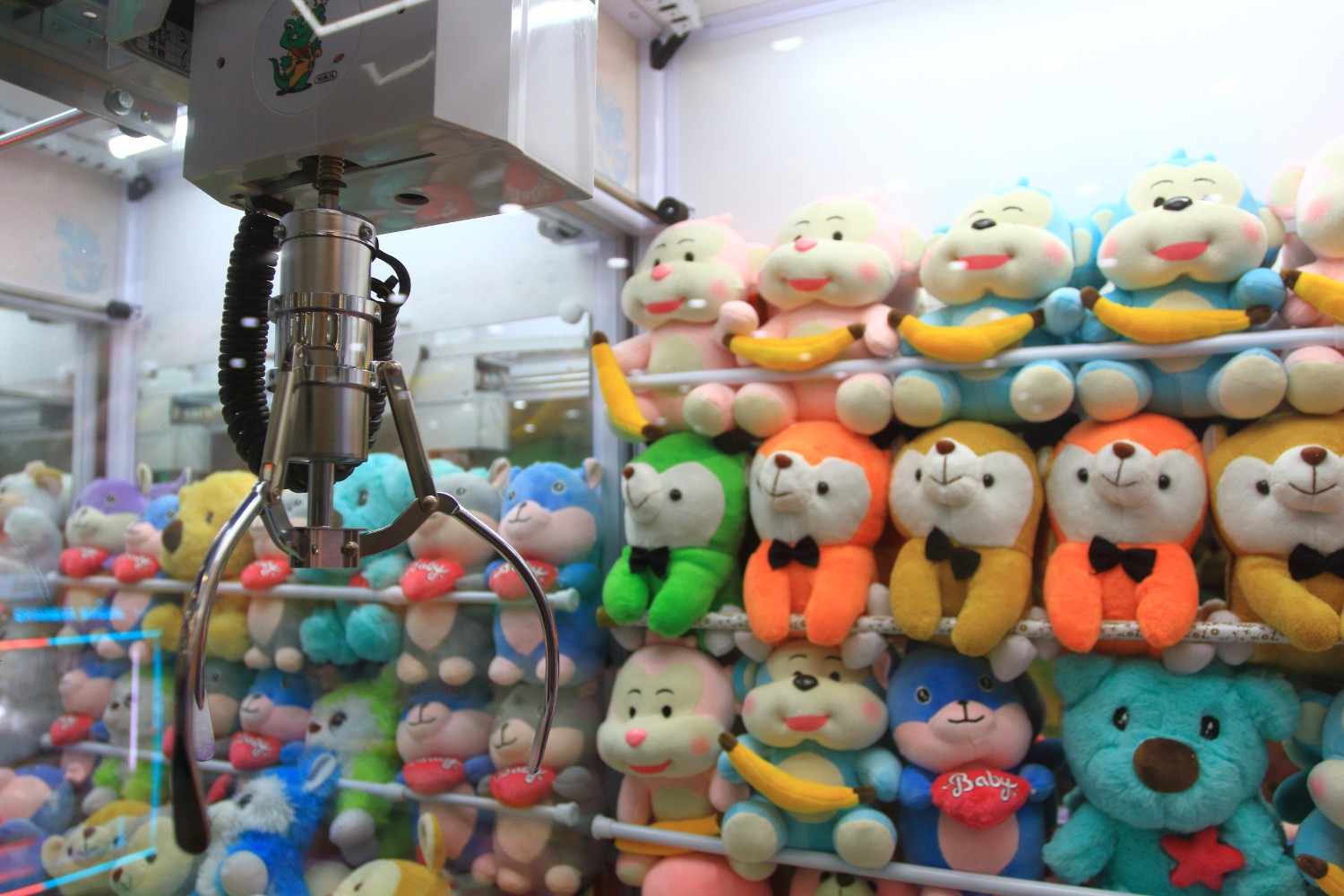
Here is an unexpected fact: toys turned into a symbol of opportunity. US importers, facing shawl-in-the-eye costs on Chinese-made toys, turned to new suppliers. The toy industry in India has been reinventing itself over the years, and it is no longer just unbranded wooden toys; toys are now certified, safety-tested, and export-ready.
As Indian states such as Karnataka and Uttar Pradesh invested in toy clusters, Indian exports to the US almost doubled from January to September 2025. Indian toys have finally reached all 50 states in America. The reviews of the US importers are more than positive- high quality, low prices, and the capability of fulfilling low-volume and custom-made orders within a short time.
Auto Parts: Gears Shifting Quick
The same is the case of the auto parts industry. The increase in the cost of Chinese imports is something US car manufacturers and aftermarket suppliers cannot afford, and they are looking to find alternatives quickly. India has been the preferred supplier of high-quality small engines, precision castings, and wiring harnesses.
The sector agencies claim a 30% increase in the Indian auto component exports to the US since July 2025. Not only are big names signing new contracts, but hundreds of small and mid-sized innovators are receiving jobs in traditional manufacturing centers such as Chennai and Pune. The key to their success? Practical logistics, skilled workforce, and the potential to provide the US partners with the ability to deliver a finished product at the moment of its need, i.e., the so-called just-in-time.
More than the US, New Corridors
This rerouted US trade is not the sole process of this renaissance. With emerging tariff patterns, India is opening new trade routes to Europe, the Middle East, and Africa. The Free Trade Agreement of India-UK, which was signed in July 2025, will do away with nearly all duties on Indian exports, such as textiles, gems, toys, and auto parts.
Europe is also on the hunt for China-plus-one suppliers, and Indian goods, particularly sustainable clothing and high-tech parts, are taking off. In Africa and the Middle East, enhanced connectivity and bespoke trade systems have provided Indian companies with access to markets like never before, enabling them to offset any short-term American volatility.
Is It All Smooth Sailing?
Let’s not sugar-coat it. The US imposing steep retaliatory tariffs on certain Indian products (as high as 50% on textiles, jewelry, and leather) has been a challenge for exporters and has created a difficult negotiating environment. Indian exports to the US fell on average 12% annually in September, 2025, although the figures concealed a shift to other, more liberal markets.
Indian exporters are also relying on product innovation, sustainability, and rapid adaptation to remain ahead of the pack, but they are also banking on these qualities, as buyers would like to see more than just the price. The government’s support for MSMEs and new trade agreements are also helping cushion shocks and enhance resilience.
The Big Picture: Winners, Next Moves and 2025 Outlook
And then, who are the real winners after the US-China tariff increase? It is a complicated answer, but this much is obvious- Indian exporters are tougher and more multifaceted than ever. They are not merely weathering the storm but they are hurling Indian manufacturing into the limelight of the global stage by seizing new opportunities in textiles, toys and auto parts and rushing toward new trade routes.
When you are playing an export game or seeing India develop into a great story by 2025, you will see that turmoil offers an opportunity. It is in the gaps, in expeditious adjustment, and in creating connections across borders.