

By Jitendra Srivastava
India’s renewable energy ambition is no longer incremental. It is structural.
According to the Ministry of New and Renewable Energy (MNRE), Government of India, the country crossed 180 GW of installed renewable energy capacity in 2023 and is targeting 500 GW of non-fossil fuel capacity by 2030. Solar energy alone accounts for more than 70 GW of installed capacity and continues to expand aggressively.
But capacity numbers hide a practical truth.
A significant share of new renewable energy projects is not being built inside industrial corridors. They are coming up in deserts, border districts, hill regions, forest belts, and rural clusters where transmission infrastructure and road connectivity are limited.
The energy transition is moving outward.
Logistics must move with it.
Renewable Energy Growth Is Outpacing Infrastructure
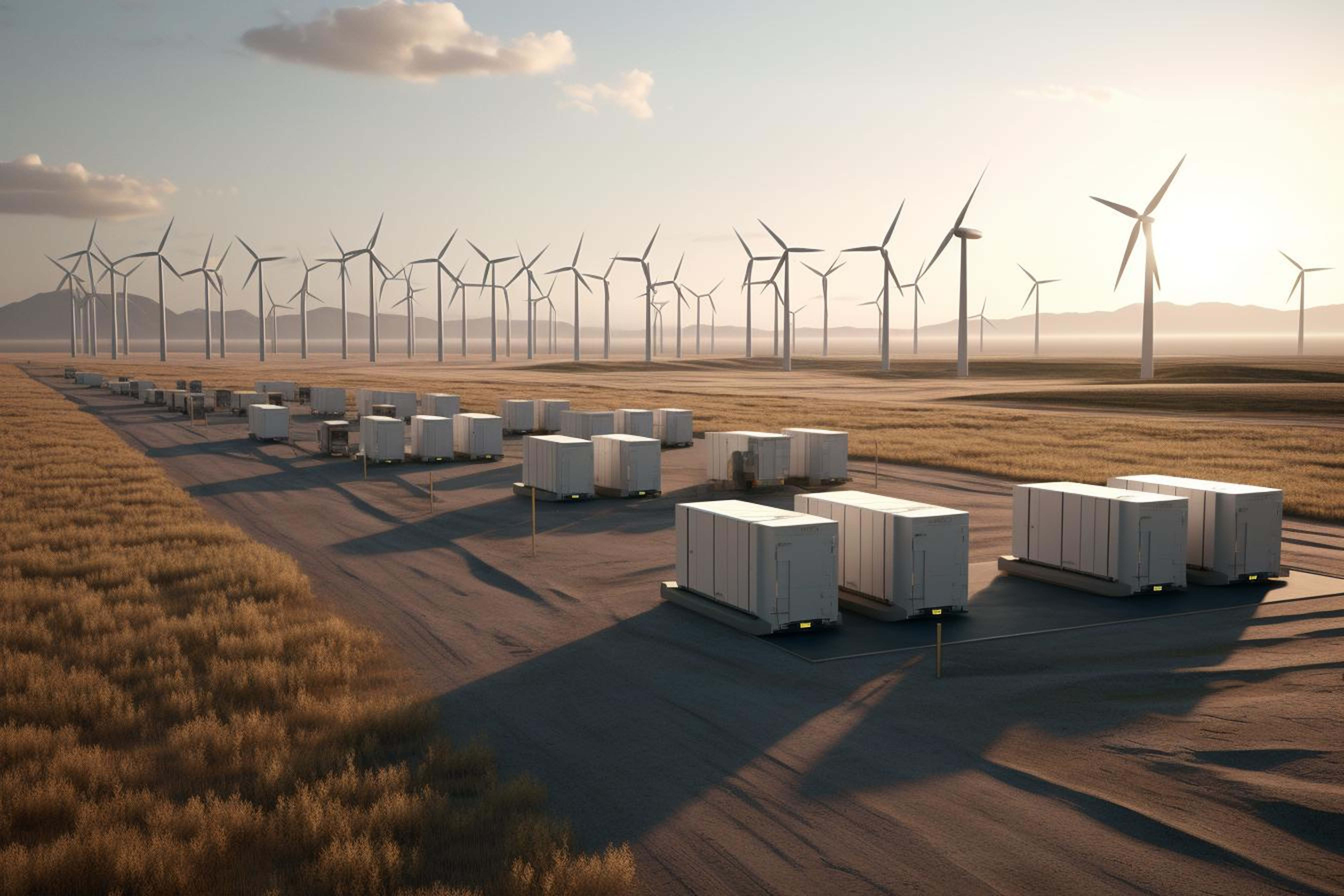
The Central Electricity Authority (CEA) reports continuous addition of grid-connected solar capacity across Rajasthan, Gujarat, Karnataka, Ladakh, and several northeastern states. Many of these sites were selected for land availability and solar irradiation, not road density.
At the same time, the Ministry of Road Transport and Highways (MoRTH) has acknowledged that rural road penetration, though expanding under PMGSY, still leaves thousands of habitations dependent on seasonal or narrow access routes.
Now connect the dots.
Solar panels are fragile.
Inverters are high-value electronics.
Battery systems are heavy and sensitive.
Wind turbine blades can exceed 50 meters in length.
Delivering renewable energy equipment into terrain that was never designed for oversized or sensitive cargo is not routine transport. It is engineered movement.
This is where a capable freight forwarder and strong ground logistics capability determine project viability.
Case Study: Solar Mini-Grids in Mon District, Nagaland
Nagaland’s Mon district remains one of the most terrain-challenged regions in India. According to state government electrification reports, grid extension in several hill districts has historically been constrained by geography and cost.
Mini-grid solar systems became the practical solution.
Panels, charge controllers, battery banks, and localized distribution lines were deployed to power villages independent of the central grid.
The Logistics Reality
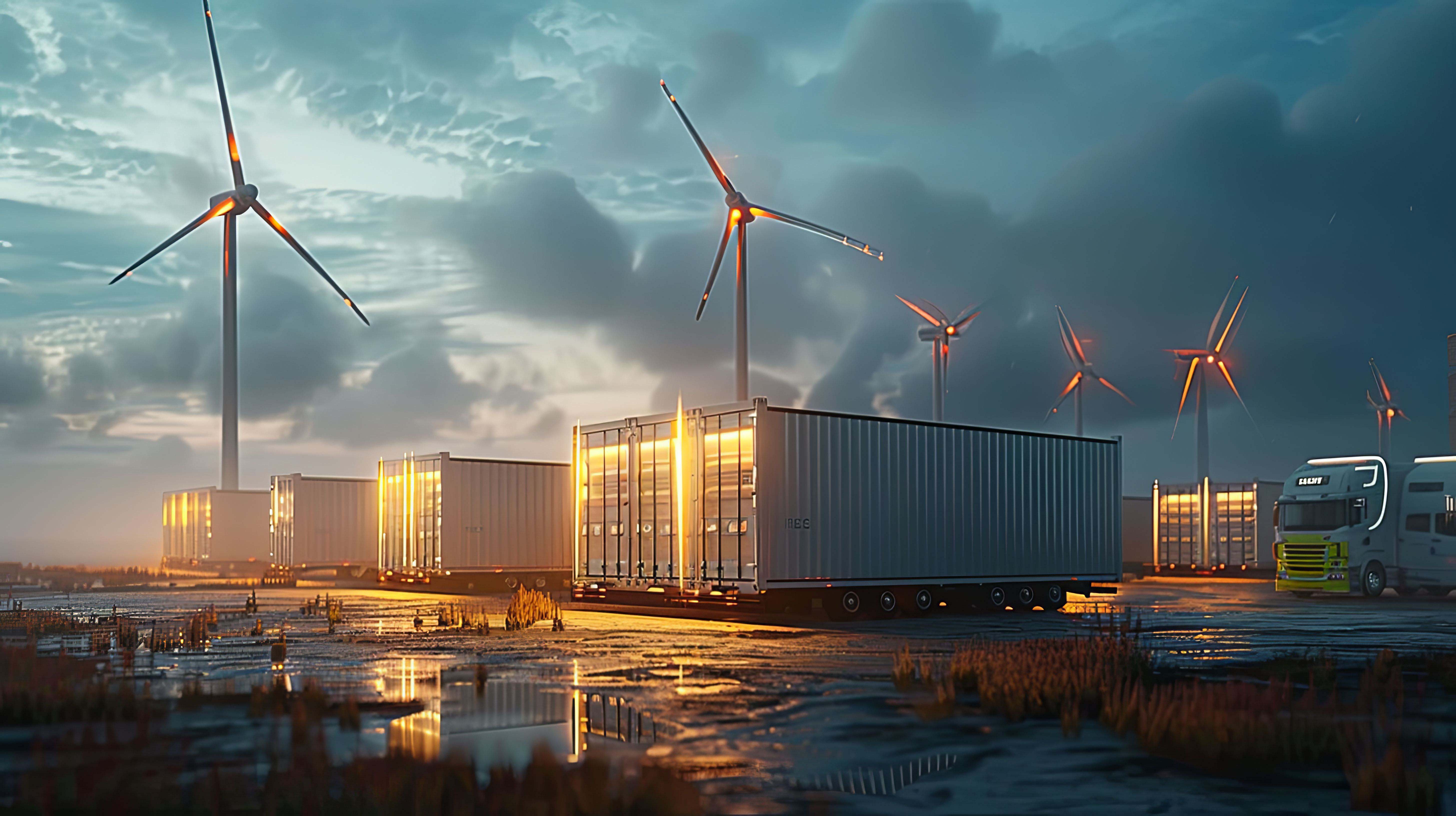
Access roads in many villages were narrow, steep, and seasonally disrupted. Large commercial vehicles could not reach final sites.
Movement required:
- Primary transport by truck to the nearest feasible point
- Secondary transfer via smaller vehicles
- Manual handling for final stretches
Ground logistics sequencing had to align precisely with installation teams because storage capacity at site was limited.
In renewable energy, logistics delays translate into idle capital. A freight forwarder in such terrain must plan beyond distance. Elevation, rainfall patterns, and turning radius matter as much as kilometers.
Case Study: Rehal Village, Bihar
Rehal, located in the Kaimur hills, had no grid access for decades. According to data from the Saubhagya Scheme dashboard (Government of India), while village electrification has reached high coverage nationally, last-mile quality and reliability in remote clusters often require decentralized renewable energy models.
Solar microgrids of roughly 45 kW capacity were installed in Rehal, along with solar-powered water systems.
Movement Through Constraint
Reaching the site involved long stretches of unpaved roads through forest terrain. Heavy solar modules, battery systems, submersible pumps, and mounting structures had to be transported carefully to prevent damage.
Standard bulk transport models were unsuitable.
Cargo loads were split.
Vehicle size was optimized for slope and turning clearance.
Deliveries were timed tightly to avoid exposure to weather.
Each renewable energy asset represented significant capital investment. Protecting it during transit was as critical as generating power after installation.
Ground logistics was not a support function. It was risk management.

The Economics of Renewable Energy Logistics
India’s renewable expansion is backed by policy scale. The National Electricity Plan (CEA) projects rapid capacity additions across solar and wind segments through 2030.
Simultaneously, the Ministry of Heavy Industries under the PLI Scheme for Advanced Chemistry Cells is encouraging domestic battery manufacturing. That means increasing movement of modules, cells, and storage systems across states.
As renewable energy supply chains expand, logistics intensity increases.
Key cost drivers in remote renewable energy projects include:
- Multi-stage transport due to terrain
- Smaller vehicle payloads
- Higher fuel consumption
- Limited warehousing
- Seasonal accessibility disruptions
A freight forwarder experienced in renewable energy understands that efficiency is not always about shortest distance. It is about lowest total risk exposure.
Strong ground logistics planning can:
- Reduce damage claims
- Minimize idle labor cost
- Protect installation timelines
- Improve capital deployment efficiency
In large-scale renewable energy, even a 2–3 percent logistics optimization can materially impact project IRR.
Renewable Energy Is Now a Rural and Border Story
According to MNRE data, a significant share of new solar parks is located in arid and semi-arid regions such as Rajasthan and Gujarat. Wind installations cluster in coastal and high-wind corridors, often far from dense infrastructure networks.
The future expansion of renewable energy will increasingly include:
- Decentralized mini-grids
- Border region electrification
- Tribal and forest-area solar projects
- Off-grid commercial clusters
Each of these requires a logistics service model that adapts to terrain rather than imposing a standard template.
The Strategic Role of the Freight Forwarder
In renewable energy, a freight forwarder does more than coordinate cargo.
They must:
- Design multimodal routing from port to remote site
- Assess bridge strength and road clearance
- Align transport with state-level regulatory permits
- Coordinate with local administrations
- Anticipate monsoon and seasonal risk
- Integrate ground logistics sequencing with EPC timelines
As India moves toward its 500 GW non-fossil capacity goal, logistics capacity must expand in parallel.
Policy sets the target.
Engineering designs the plant.
Logistics delivers the possibility.
Conclusion
Government data confirms that renewable energy expansion in India is accelerating at scale. Solar and wind capacity additions are moving into geographies that were never built for heavy industrial transport.
If renewable energy is to reach every last mile, logistics must reach it first.
At Triton Maritime & Logistics, our experience as a freight forwarder across diverse terrains allows us to support renewable energy developers with structured ground logistics, project cargo handling, and disciplined last-mile coordination.
The next phase of the energy transition will not happen only where roads are perfect.
It will happen where they are not.
And in those places, logistics decides whether ambition becomes infrastructure.
FAQs
Why arelogisticscosts higher for renewable energy projects in remote locations?
Remote projects face limited road access, smaller vehicle capacity, weather risks, and minimal storage infrastructure. Equipment often moves in multiple stages, increasing coordination effort and cost.
What is a freight forwarder’s role in renewable energy projects?
A freight forwarder coordinates the movement of solar panels, wind turbine components, batteries, and supporting infrastructure from origin to site. This includes route planning, documentation, vehicleselection, and last-mile ground logistics management.
How doeslogisticsplanning support renewable energy ESG goals?
Well-designed logistics reduces environmental disturbance, minimizes unnecessary transport cycles, and engages local communities in unloading and maintenance. This aligns renewable energy delivery with broader environmental and social objectives.
What should developers look for ina logisticsservice provider for remote installations?
Developers should prioritize project cargo experience, strong ground logistics capability, local regulatory knowledge, and the ability to anticipate terrain-related risks. A proactive freight forwarder ensures renewable energy projects remain on schedule and within budget.