
When the World Bank ranks India among the top five countries globally for private investment in infrastructure, it’s not applauding ambition. It’s validating execution.
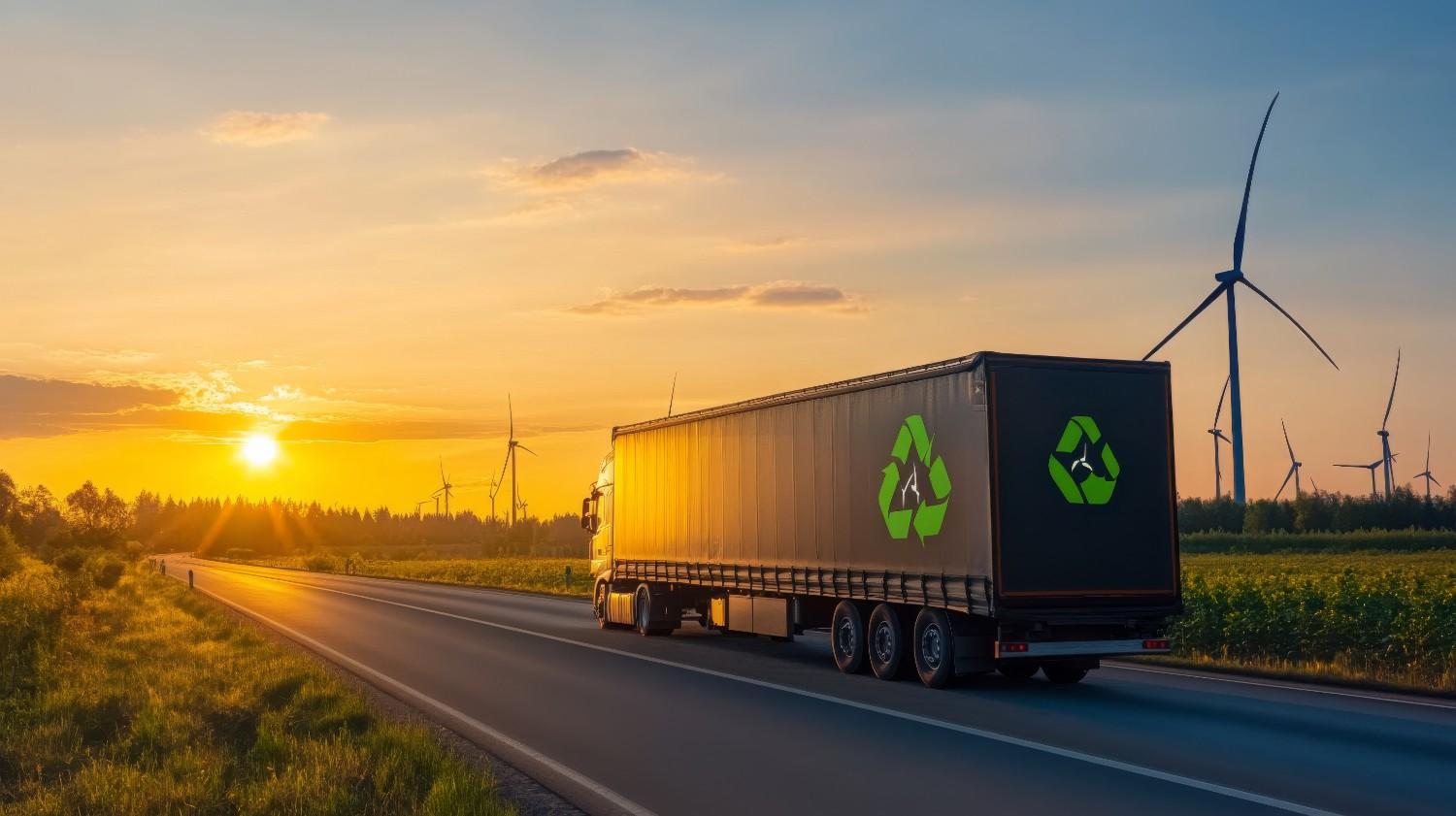
Renewable energy at scale lives or dies on logistics. Solar parks don’t move themselves. Wind turbines don’t teleport. Grid upgrades don’t happen without steel, cables, transformers, ports, railheads, and last-mile connectivity working in sync. What India has done over the past decade is quietly remove the friction points that used to slow energy projects down.
That’s the real story behind the numbers.
Multimodal Infrastructure Is the Hidden Enabler of Clean Energy Growth
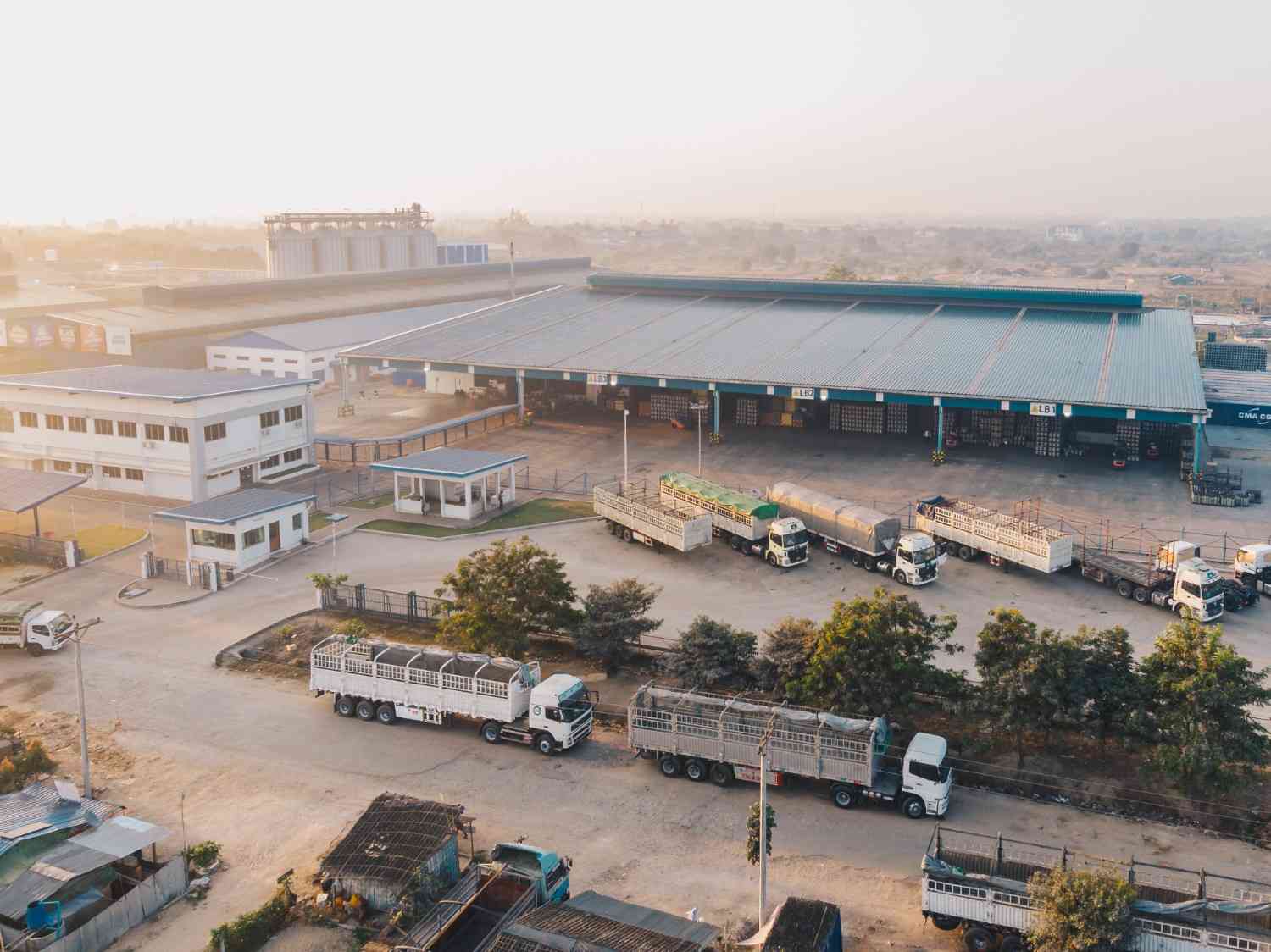
India’s logistics ecosystem is being reshaped by integrated planning through PM GatiShakti and the National Logistics Policy. This matters because renewable energy projects are geographically dispersed. Solar corridors in Rajasthan, wind clusters in Tamil Nadu and Gujarat, hydropower in the Northeast, offshore wind prospects along the western coast.
High-speed corridors expanding from 550 km in FY14 to over 5,300 km by FY26 aren’t just about faster cars. They are about moving oversized cargo like blades, nacelles, and heavy electrical equipment with predictable timelines. The expansion of the national highway network by nearly 60 percent has directly reduced transit uncertainty, which is one of the biggest hidden costs in renewable energy deployment.
For logistics players, this is where opportunity shifts from transactional movement to strategic partnership.
Rail, Ports, and Inland Waterways Are Rewriting Energy Economics
Rail electrification touching 99 percent is not symbolic. It lowers freight emissions and operating costs at the same time. Dedicated Freight Corridors and Energy Railway Corridors mean renewable energy equipment can move faster, in bulk, and with lower variability. That’s critical when project delays translate into financing penalties.
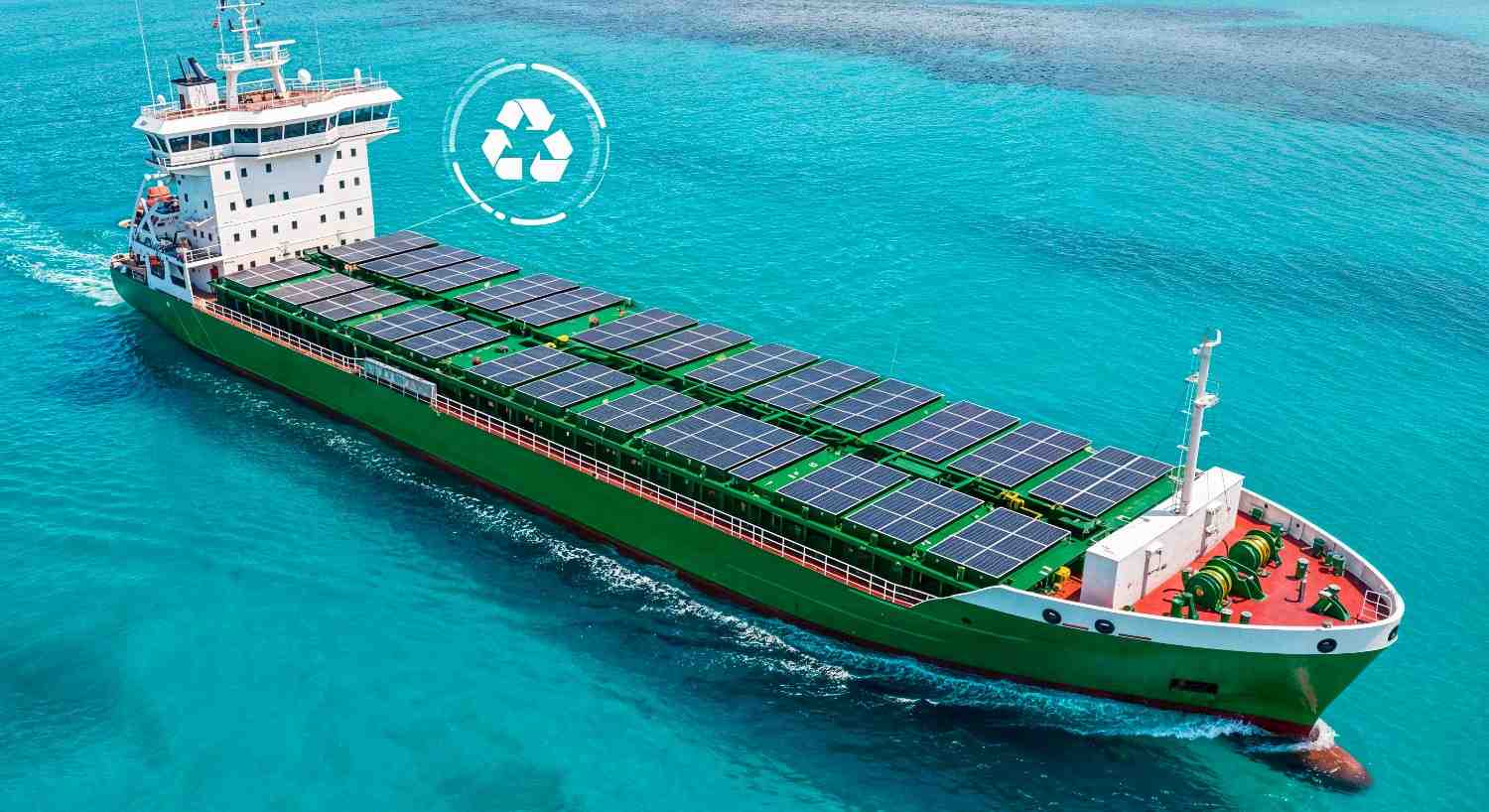
Ports tell an even sharper story. Seven Indian ports ranking among the top 100 in the World Bank’s Container Port Performance Index 2024 signals global competitiveness. For solar module imports, wind components, and emerging green hydrogen equipment, turnaround time is no longer a bottleneck.
Add to this the growth of Inland Water Transport, where cargo movement jumped from 18 MMT to 146 MMT in just over a decade. For heavy, low-value-density cargo used in energy infrastructure, waterways are becoming commercially relevant, not experimental.
This is how logistics quietly improves renewable energy viability without changing a single tariff.

Aviation and Digital Systems Are Supporting the New Energy Workforce
India becoming the world’s third-largest domestic aviation market may sound unrelated to renewable energy. It’s not.
Large-scale clean energy projects rely on rapid movement of engineers, auditors, regulators, and international partners. Faster regional connectivity, more airports, and digitized passenger systems reduce coordination friction. When timelines shrink, risk perception shrinks with them.
Digital logistics platforms, drone regulations, and data-backed planning are reinforcing this effect. Renewable energy isn’t just hardware anymore. It’s coordination at scale.
Financing Flows Where Logistics Risk Is Low
Here’s the Ballard-style takeaway. Capital follows certainty.
India’s infrastructure financing landscape is diversifying beyond banks into InvITs, REITs, and private capital, with NBFC credit growing at over 43 percent CAGR. That doesn’t happen in environments where logistics risks are unpredictable.
Public capital expenditure rising more than four times since FY18 has done something subtle but powerful. It crowded in private investment by de-risking execution. When ports work, railways deliver, highways connect, and power evacuation is reliable, renewable energy stops looking like a policy bet and starts looking like an infrastructure asset class.
That’s why India now ranks third globally in renewable energy and installed solar capacity.
What This Means for the Logistics Industry
For logistics companies, this is not a moment to market sustainability as a buzzword. It’s a moment to redesign offerings.
Project logistics for renewable energy.
Multimodal optimization for clean power equipment.
Low-emission freight corridors aligned with ESG reporting.
Data-backed visibility for global investors tracking execution risk.
The logistics sector is no longer supporting renewable energy. It is shaping its pace.
The Bigger Picture: Growth Without Apology
India’s infrastructure strategy is producing tangible outcomes. Faster freight movement. Lower logistics costs. Improved global rankings. And most importantly, credibility.
Renewable energy growth at this scale doesn’t happen on intent alone. It happens when roads, rails, ports, power grids, and policies move in the same direction. India has aligned them.
From a logistics perspective, this is positive growth with momentum. From an energy perspective, it’s scale with stability. And from an investor’s perspective, it’s a system that finally works end to end.
That’s the kind of story that doesn’t need hype. It just needs to be understood.
FAQ
1.How does India’s renewable energy growth impact the logistics industry?
India’s renewable energy expansion is directly increasing demand for specialized logistics services. Moving solar panels, wind turbine components, heavy transformers, and grid equipment requires multimodal transport, project cargo expertise, port handling, and time-bound coordination. As renewable capacity scales up, logistics shifts from basic freight movement to end-to-end infrastructure execution.
2.Why is multimodal logistics critical for renewable energy projects in India?
Renewable energy projects are spread across remote and diverse geographies. Multimodal logistics using roads, railways, ports, and inland waterways reduces transit time, lowers costs, and minimizes execution risk. Integrated planning frameworks like PM Gati Shakti allow faster movement of oversized and heavy cargo, which is essential for large-scale solar and wind installations.
3.Whatroledo ports and maritime logistics play in India’s clean energy supply chain?
Ports are central to importing solar modules, wind components, and energy infrastructure equipment. Improved vessel turnaround time and global port rankings have reduced delays and congestion, making renewable energy projects more predictable. Maritime logistics also supports coastal movement of heavy cargo, lowering dependence on road transport and reducing emissions.
4.How does improved logistics infrastructure attract private investment in renewable energy?
Investors prioritize execution certainty. Faster highways, dedicated freight corridors, efficient ports, and reliable power evacuation reduce project delays and cost overruns. This lowers logistics risk, improves return visibility, and encourages private and institutional capital to fund renewable energy and supporting infrastructure projects.
5.How can logistics companies align with renewable energy and ESG goals?
Logistics companies can align with renewable energy growth by offering project logistics, low-emission transport options, multimodal routing, and data-driven visibility. Supporting clean energy supply chains helps logistics providers strengthen ESG performance while positioning themselves as strategic partners in India’s infrastructure and energy transition.