Imagine living on an island where electricity depends on the next fuel shipment and drinking water arrives by tanker.
If rough seas delay a vessel, power cuts begin. Water becomes scarce. Costs rise overnight.
This reality still exists for many island communities across Asia, the Pacific, the Middle East, and parts of Africa.
That is why governments and developers are rapidly investing in solar power plants and desalination systems for remote islands.
Solar energy reduces dependence on imported fuel. Desalination turns seawater into freshwater. Together they allow islands to become more self-reliant.
But here is the part most people rarely think about.
Solar panels, reverse-osmosis units, pumps, and battery systems do not magically appear on remote islands.
They must travel thousands of kilometers through complex supply chains.
And that journey depends entirely on specialized logistics.
Without the right planning, equipment cannot reach the island. Without the right handling, expensive components can be damaged. Without the right last-mile delivery, installation timelines collapse.
In short, renewable infrastructure on islands is only possible when logistics works flawlessly.
Why Island Renewable Projects Need Specialized Logistics
Island infrastructure presents unique challenges.
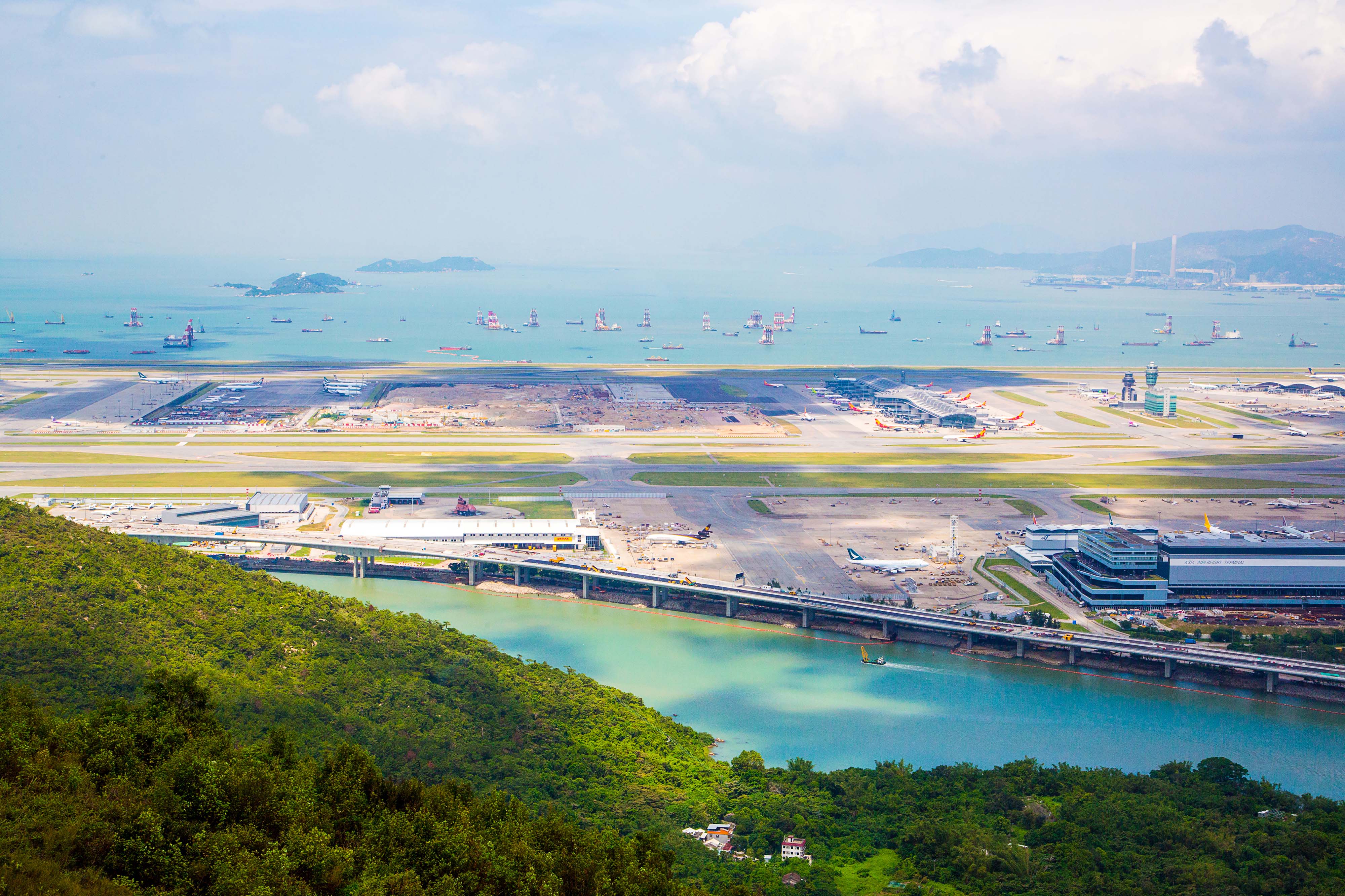
Many islands do not have deep-water ports capable of handling large cargo vessels. Heavy-lift cranes may be unavailable. Roads can be narrow or partially developed, and storage facilities may be limited.
These constraints significantly affect project planning.
Solar farms require the movement of thousands of photovoltaic panels, mounting structures, transformers, inverters, and battery energy storage systems. Desalination plants involve pressure vessels, reverse osmosis units, pumps, and large piping systems.
These components are often oversized, high-value, and sensitive to moisture or vibration during transport.
Global adoption of solar-powered desalination is also accelerating. The solar desalination market reached about USD 2.8 billion in 2025 and is projected to reach roughly USD 3 billion in 2026, growing rapidly due to water scarcity and sustainability goals.
As investments increase, so does the need for logistics providers who understand how to move these complex systems safely into remote locations.
Multimodal Transport: Connecting Mainland Infrastructure to Islands
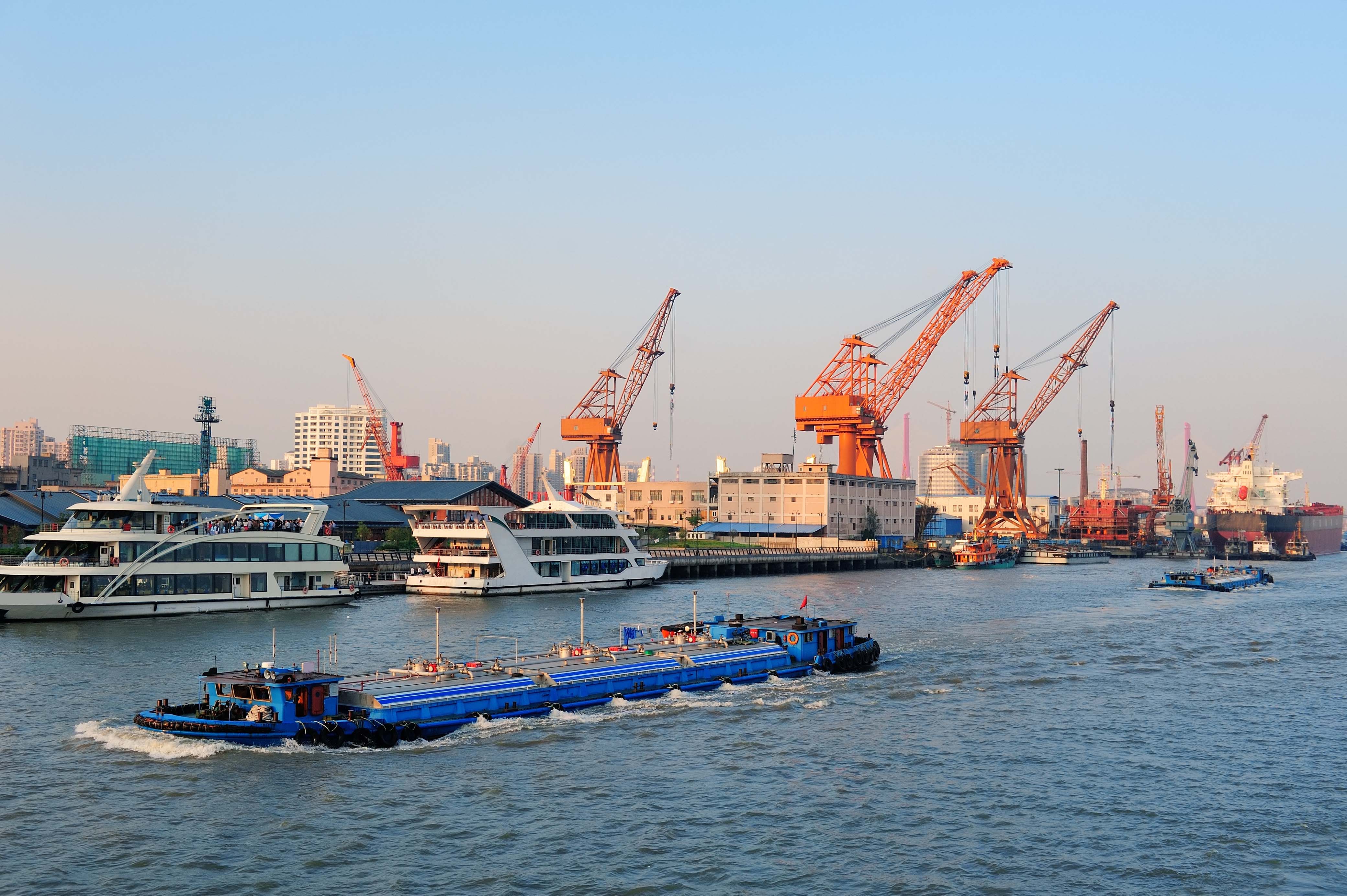
Island renewable projects almost always rely on multimodal freight transportation.
Equipment may travel through several stages:
- Road transport from manufacturing plants to export ports
- Ocean freight across international shipping routes
- Transfer to smaller vessels or barges for island delivery
- Ground transport from the shoreline to project sites
Each stage must be synchronized carefully.
Renewable energy cargo is expensive and often time-sensitive. Delays in shipping solar modules or desalination equipment can disrupt installation schedules and increase project costs.
Careful packaging, moisture protection, and route planning are critical to prevent damage during transit.
When executed correctly, multimodal transport ensures equipment arrives exactly when engineering teams are ready to install it.
The Critical Role of Barge Services
One of the most overlooked parts of island logistics is barge transportation.
Many islands simply cannot accommodate large container ships or heavy-lift vessels. Shallow waters and limited port infrastructure make direct docking impossible.
In these situations, cargo is transferred offshore onto flat-deck barges for the final delivery.
Barges play a crucial role in transporting:
- Solar panel containers
- Steel mounting structures
- Battery storage units
- Desalination skid systems
- Heavy generators and pumps
This stage requires careful planning.
Weight distribution must be calculated accurately. Cargo must be secured using proper lashing systems. Weather patterns and tidal movements must also be assessed before transport.
When coordinated properly, barge services create a seamless connection between international shipping routes and remote island infrastructure.
Last-Mile Delivery: Where Logistics Meets Engineering
Once equipment reaches the island, the most complex phase begins.
This is known as last-mile delivery, and it often determines whether the project stays on schedule.
Island terrain can present unexpected obstacles. Roads may not support heavy trucks. Specialized cranes may need to be mobilized. Temporary platforms or access routes may have to be built before installation begins.
Effective last-mile engineering typically includes:
- Pre-shipment route surveys
- Ground reinforcement planning
- Crane mobilization strategies
- Safe unloading procedures
- Coordination with local construction teams
For desalination plants, accurate placement of reverse-osmosis systems is essential because they must connect precisely with seawater intake lines and freshwater distribution infrastructure.
For solar farms, panel installation, battery placement, and electrical integration require synchronized logistics and engineering schedules.
Early collaboration between logistics providers and engineering teams can significantly reduce project delays and operational risks.
Supporting Energy Independence for Island Communities
Island nations face some of the highest energy costs in the world because of their dependence on imported fuel. Electricity prices can be several times higher than mainland markets due to transportation costs and limited infrastructure.
Renewable energy systems offer a powerful solution.
Solar power paired with desalination technology allows islands to produce both electricity and freshwater locally. Many island communities are now investing heavily in such systems to improve resilience and reduce reliance on fuel imports.
The benefits extend beyond sustainability.
These projects support:
- Reduced fuel import costs
- Lower carbon emissions
- Improved water security
- Job creation in local maintenance and operations
- Greater resilience during supply chain disruptions
However, these benefits only materialize when project equipment arrives safely, on time, and ready for installation.
That responsibility lies with logistics.
Why Experience Matters in Renewable Energy Logistics
Renewable infrastructure projects involve large investments and tight timelines.
Transportation challenges are one of the leading causes of project delays in remote regions. Oversized cargo handling, barge operations, and multimodal coordination require specialized expertise.
Experienced project logistics providers ensure that renewable energy equipment moves efficiently through complex supply chains.
From factory pickup to final installation on remote islands, specialized logistics turns ambitious renewable projects into working infrastructure.
Where Island Solar and Desalination Projects Are Growing
Island renewable infrastructure is expanding rapidly in regions such as:
Maldives solar microgrid programs
Indonesia remote island solar installations
Pacific island nations transitioning away from diesel power
Caribbean islands developing solar-powered desalination systems
Middle East island developments integrating renewable desalination
These regions rely heavily on specialized logistics to transport infrastructure across challenging geographies.
Conclusion
Solar energy and desalination systems are transforming how remote islands manage power and water.
These technologies promise independence from costly fuel imports, greater resilience to climate challenges, and more sustainable infrastructure.
Yet none of this progress is possible without the logistics networks that bring equipment to some of the most isolated locations on Earth.
From multimodal transport planning and barge operations to last-mile engineering and project cargo expertise, logistics forms the backbone of island renewable development.
Remote does not mean unreachable.
With the right specialized logistics solutions, island communities can build a cleaner, more resilient future.
FAQ
1. Why are solar and desalination projects important for islands?
Many islands depend on imported fuel and water shipments. Solar power and desalination allow islands to generate electricity and freshwater locally, reducing costs and improving resilience.
2. What logistics challenges exist for island renewable projects?
Limited port infrastructure, shallow waters, narrow roads, and the need to transport oversized equipment make logistics complex for island projects.
3. Why are barge services important in island logistics?
Barges allow cargo to reach islands where large ships cannot dock due to shallow waters or limited port infrastructure.
4. What equipment is typically transported for solar and desalination projects?
Solar panels, mounting structures, inverters, transformers, battery storage systems, reverse osmosis units, pumps, and large piping systems are commonly transported.
5. What is multimodal transport in renewable energy logistics?
Multimodal transport uses multiple modes such as road, sea, and barge to move equipment efficiently from manufacturing sites to remote project locations.