
On 2 March 2026, global trade is operating under visible strain.
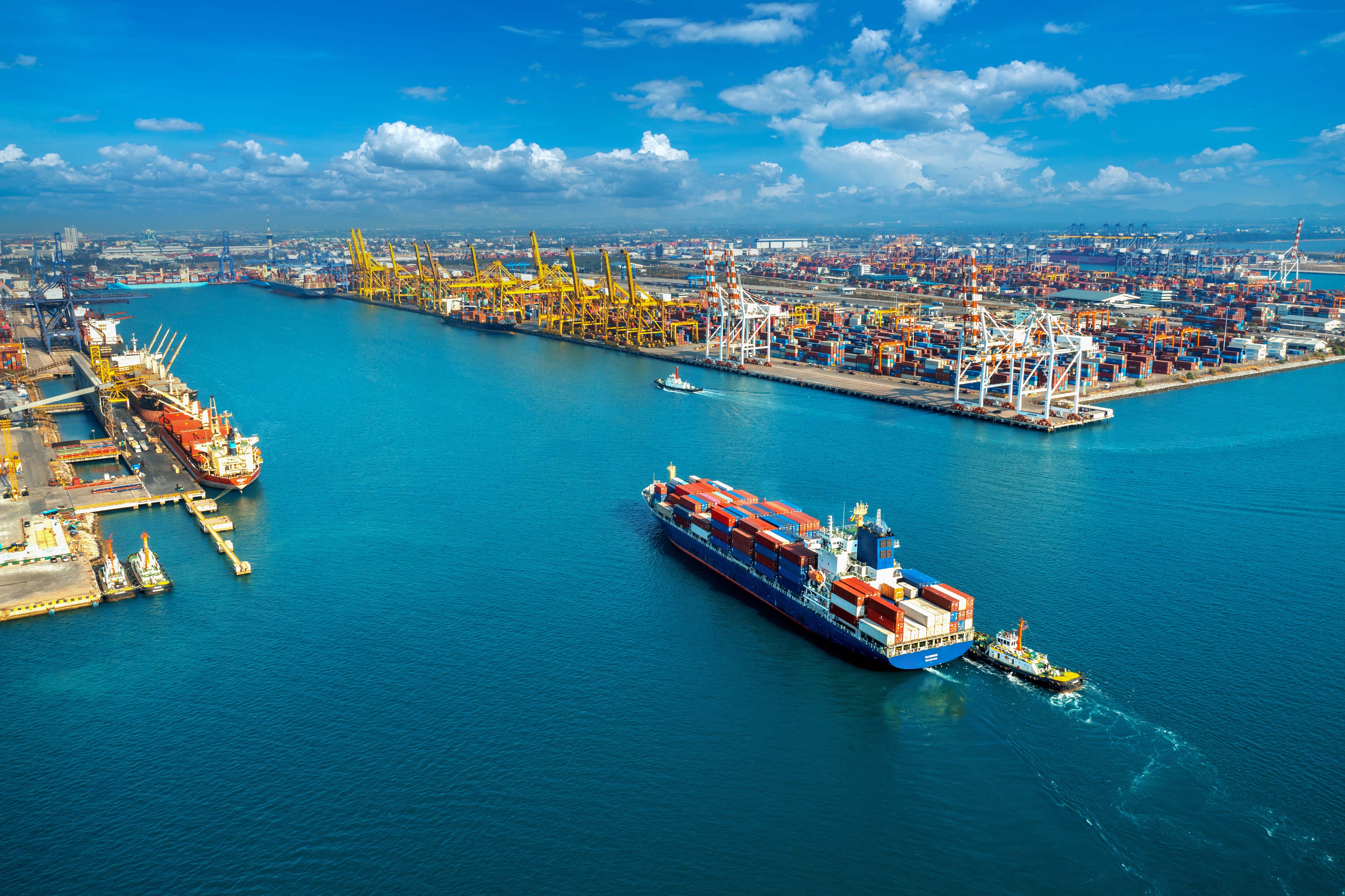
Following escalation between Israel, the US and Iran, maritime traffic through the Strait of Hormuz has dropped sharply. Several carriers have restricted vessel movement through the strait and Bab el-Mandeb. Some services have paused Suez Canal transits. Others are rerouting around the Cape of Good Hope. Emergency conflict surcharges have been introduced.
It is a chokepoint stress test for global trade architecture.
The Strait of Hormuz carries nearly 20 percent of global petroleum liquids consumption, approximately 17 to 20 million barrels per day. More than 80 percent of that flow is destined for Asian markets. The Bab el-Mandeb feeds directly into the Red Sea and the Suez Canal, which normally handles around 12 percent of global trade and close to 30 percent of global container traffic.
When these corridors tighten, the impact radiates beyond shipping schedules.
It reshapes cost structures.
What Rerouting via the Cape of Good Hope Actually Means
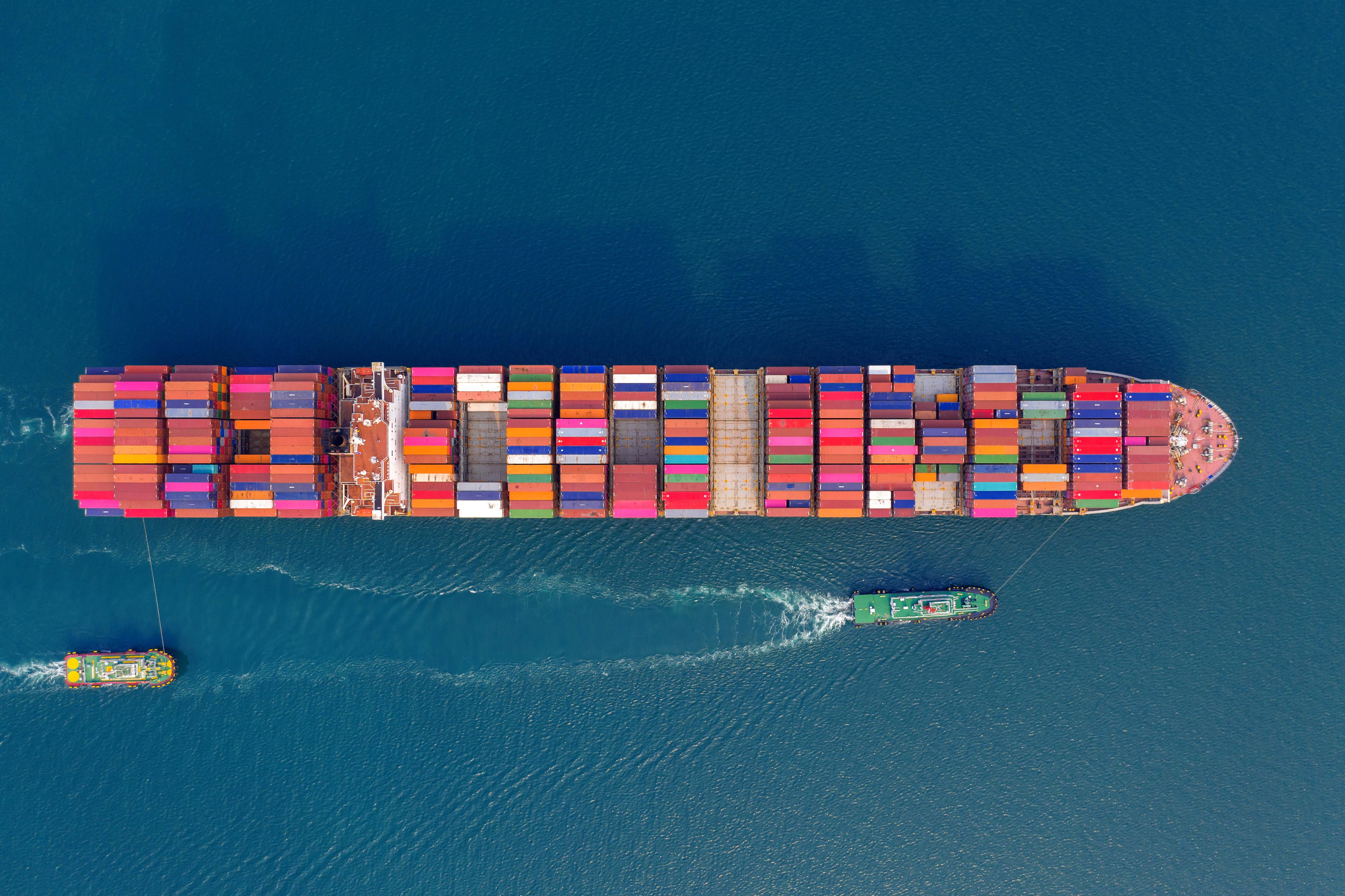
Rerouting Asia-Europe services around the Cape of Good Hope adds roughly 3,500 to 4,000 nautical miles to a typical voyage. In operational terms, that translates to 10 to 14 additional sailing days depending on speed and port rotation.
Fuel consumption rises significantly. Container equipment remains tied up longer. Vessel availability tightens. Insurance premiums adjust upward.
Carriers have already introduced Emergency Conflict Surcharges ranging between USD 2,000 and USD 4,000 per container, depending on size and equipment type.
Freight rate volatility in 2026 will not be driven only by demand cycles. It will reflect geopolitical routing risk.
The system adapts. But adaptation has cost.
India’s Exposure Is Structural, Not Peripheral
Nearly 90 percent of India’s crude oil requirement is met through imports. A substantial portion of that supply transits the Strait of Hormuz. Recent financial reporting indicates that up to 40 to 50 percent of India’s crude import flow is exposed to this corridor.
Brent crude has already moved above USD 80 per barrel in early March 2026, with analysts warning of potential movement toward USD 100 if disruption intensifies.
Energy exposure translates directly into macroeconomic sensitivity.
India’s merchandise exports crossed USD 437 billion in FY2023-24. Bilateral trade between India and Gulf Cooperation Council countries exceeded USD 180 billion during the same period. The UAE alone represents over USD 80 billion in trade value.
This matters for logistics.
Engineering goods, pharmaceuticals, chemicals, textiles, rice exports, project cargo and FMCG shipments depend on stable maritime connectivity between Indian ports such as Nhava Sheva, Mundra and Gulf destinations.
Extended transit time affects:
- Working capital cycles
- Reefer cargo risk windows
- Inventory forecasting
- Export competitiveness
If Suez Canal traffic remains constrained and vessels continue sailing around Africa, container availability across Indian gateways may tighten further, even for cargo not directly bound for the Middle East.
This is how chokepoint disruption cascades through supply chains.
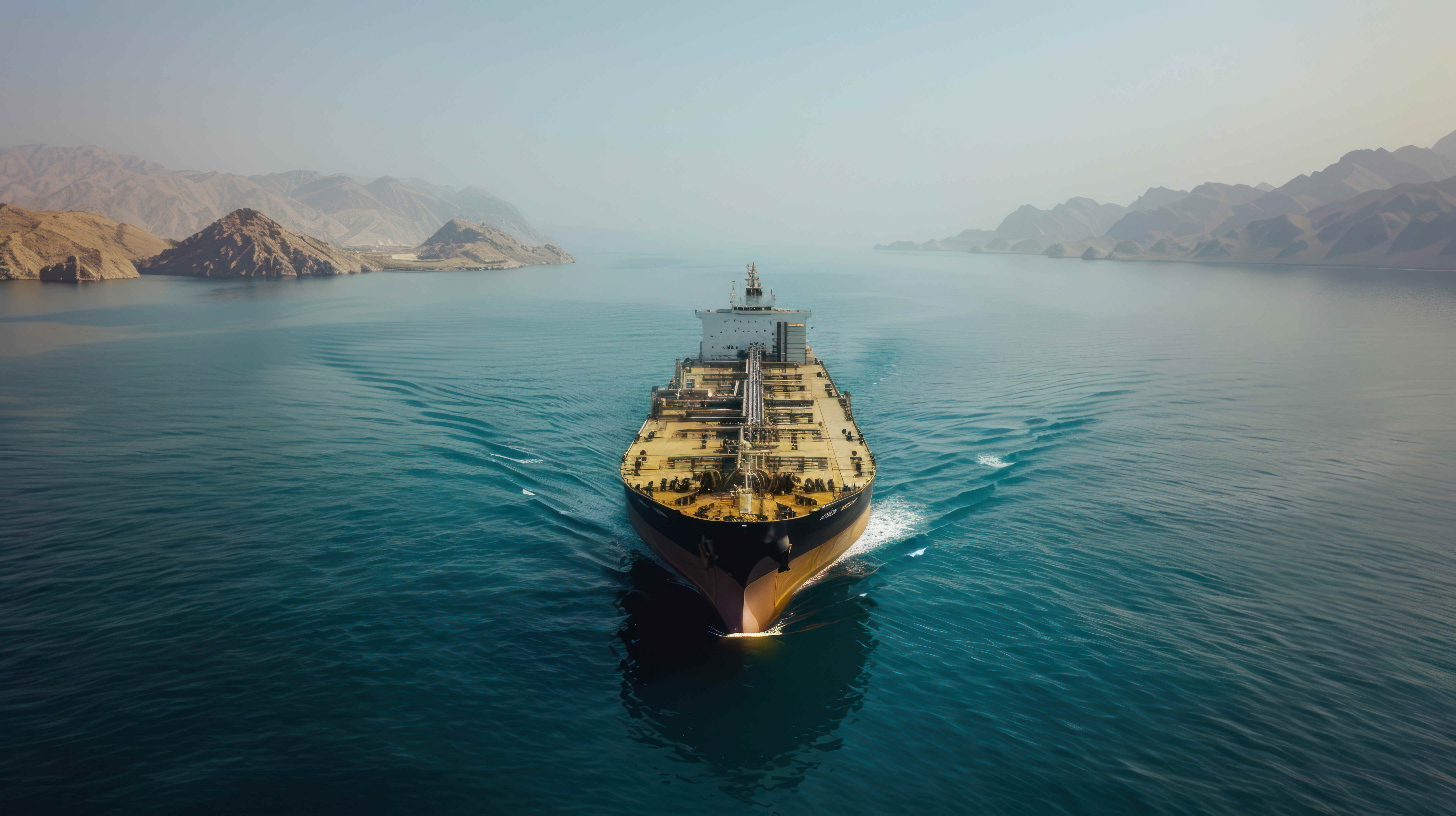
The Larger Pattern in Global Supply Chain Risk
Over the past five years, global trade has experienced a pandemic shock, canal blockages, port congestion cycles and now repeated geopolitical route instability.
Each episode reinforces the same principle.
Modern supply chains are optimized for efficiency. But efficiency reduces slack.
Chokepoints such as the Strait of Hormuz, Bab el-Mandeb and the Suez Canal concentrate disproportionate volumes of global trade. When risk intensifies in those narrow corridors, global routing flexibility is tested.
The industry has proven it can reroute via the Cape of Good Hope. But rerouting is adaptation, not immunity.
Longer routes increase emissions, fuel exposure, insurance cost and capital lock-in. That ultimately flows into landed cost.
A Strategic View for 2026
This moment calls for discipline, not alarm.
Global trade will continue to move. Oil flows will not halt entirely. Container ships will keep sailing. Markets will rebalance.
The strategic question is different.
- How concentrated is your supply chain exposure?
- How dependent are your transit assumptions on a single maritime corridor?
- How resilient is your cost model to two additional weeks at sea?
At Triton, our focus is not on reacting to headlines but on managing structural volatility.
That means continuous monitoring of carrier advisories, vessel diversion patterns and surcharge structures. It means modelling financial impact before cost shifts reach invoices. It means building alternative routing optionality into planning cycles.
Logistics in 2026 is no longer a pure execution function.
It is a risk management function embedded inside global trade.
The Strait of Hormuz disruption is a reminder that geopolitics and supply chains are now inseparable. The companies that outperform will not be those waiting for stability to return. They will be those designing flexibility into their systems before stability is guaranteed.
Resilience is not a slogan.
It is an operating discipline.
And in today’s environment, discipline is competitive advantage.
FAQs
1. Why is the Strait of Hormuz important for global trade?
The Strait of Hormuz is one of the world’s most critical maritime chokepoints. Nearly 20 percent of global petroleum liquids consumption, around 17 to 20 million barrels per day, transits through this corridor. It also supports container shipping flows connecting Asia, India, the Middle East, Europe and the United States. Any disruption here affects global energy prices, freight rates and supply chain stability.
2. Why are shipping companies rerouting via the Cape of Good Hope in 2026?
Due to escalating geopolitical tensions and security concerns in the Strait of Hormuz and Bab el-Mandeb, several carriers have restricted passage through these corridors. As a precaution, vessels are rerouting around the Cape of Good Hope to avoid risk exposure. This adds approximately 10 to 14 additional sailing days on Asia-Europe routes.
3. How does the Middle East shipping disruption affect India?
India imports nearly 90 percent of its crude oil, with a significant share transiting the Strait of Hormuz. The disruption increases energy price risk, freight cost volatility and transit uncertainty. India’s bilateral trade with Gulf countries exceeds USD 180 billion, making sectors like pharmaceuticals, engineering goods, rice, textiles and chemicals directly exposed to shipping delays and cost increases.
4. What is an Emergency Conflict Surchargeincontainer shipping?
An Emergency Conflict Surcharge (ECS) is an additional charge imposed by shipping lines to offset increased operational risk, fuel consumption and insurance costs during geopolitical instability. In March 2026, ECS charges ranged between USD 2,000 and USD 4,000 per container depending on equipment type.
5. How long will the 2026 Strait of Hormuz shipping disruption last?
The duration depends on geopolitical developments and maritime security conditions. While shipping routes can be rerouted around the Cape of Good Hope, prolonged instability may continue to affect freight rates, transit times and energy markets. Businesses should plan for volatility rather than short-term normalization.