
The export tale of India in 2025 is rife with surprises, and it is high time that we listened to the silent boom story of rapeseed meal, gemstone, and niche organic products, all taking up new market segments in China. When the focus is on the IT and pharma giants, there is a realm of small traders and farmers that ride on the unforeseen waves of demand down the Himalayas. What is behind this mute revolution? The story of trade is an interesting one.
Rapeseed Meal: The Power Play that India has not Noticed
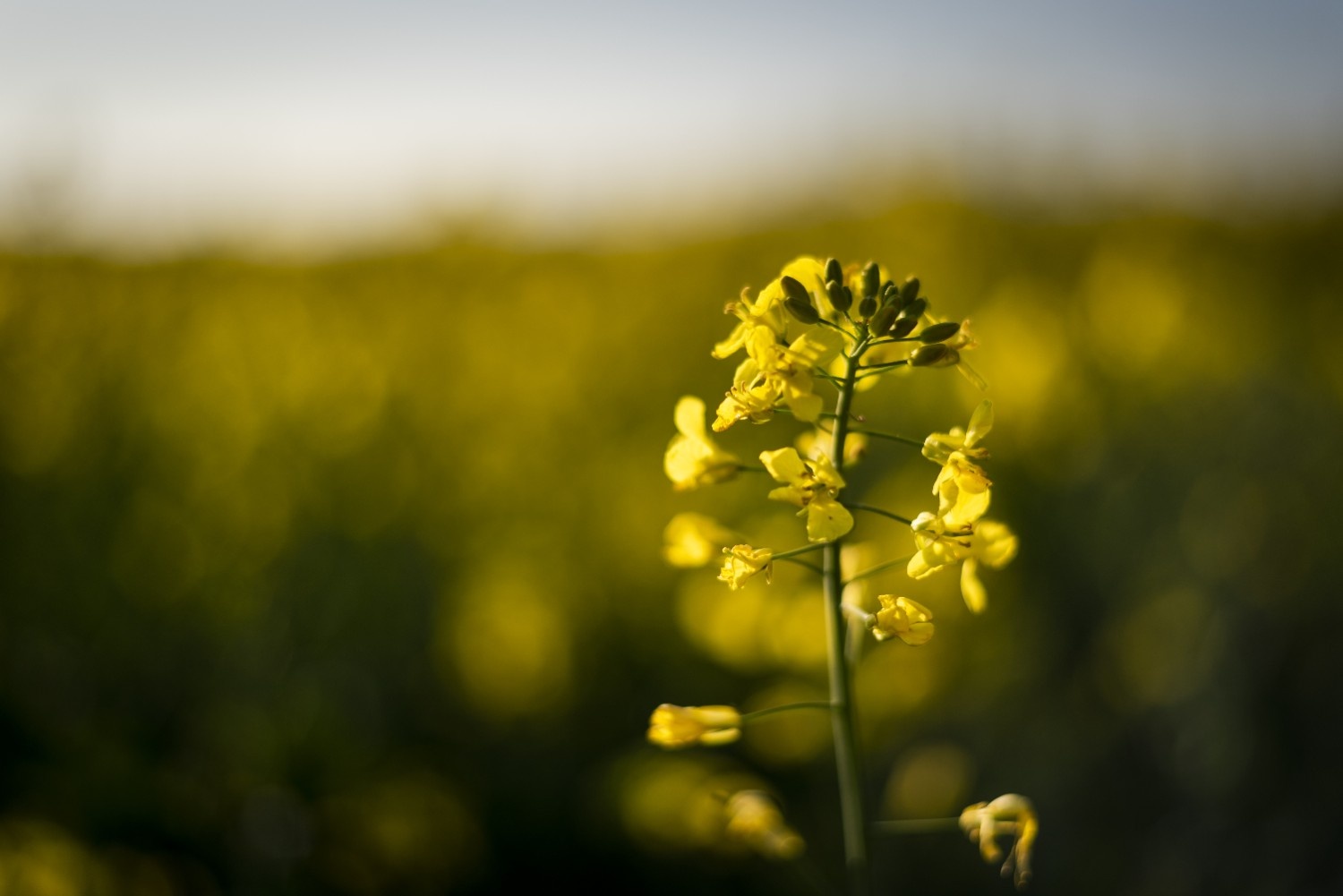
First is rapeseed meal, a product you may not be aware is making waves on the international front. Until recently, Canada led China in rapeseed meal imports; however, Beijing imposed huge tariffs on Canadian canola meal and oil in March and August 2025, effectively closing the market. Indian exporters did not balk. As of July 2025, India had already exported close to 100,000 tonnes of rapeseed meal to China, more than 60,759 tonnes of the same were exported last marketing year.
Why all of a sudden is China a hungry country after Indian rapeseed meal? The solution lies in the Chinese aquaculture sector, where the industry does not care much about the type of feed it uses, as it has a good amino acid profile and is a cheaper substitute for fish meal. And as Canadian supplies dry up due to tariffs of 76-100, China expects to receive 2.6 million tonnes this season, some 400,000 tonnes more than it thought, and India has entered the market.
For small traders and farmer collectives in Rajasthan and Haryana, what once was a simple local enterprise has gone from overnight to a billion-rupee export opportunity. The volatility of the rupee against the Yuan is undoubtedly a source of risk. Still, even after hedging costs, most SME exporters are recording healthy margins. Do not be surprised to find that you are reading about local Agri-cooperatives investing in new warehouse plants or even negotiating with Chinese buyers on their own — they are not missing this golden opportunity.

Gemstones & Jewellery: Niche Success and Shining Recovery
Imagine India-China trade, and you would most likely think of electronics or clothes. However, the twist is that Indian gem and jewellery exports to China are back in fashion. Export growth in the first half of FY2025-26 is 3.66%, with exports totaling $14.09 billion worldwide, and China is one of the most preferred destinations for growth.
Although Chinese customers are used to buying diamond jewellery, the new boom is driven by the latest fancies such as colored gemstones, gold jewellery adornment, and tailored jewellery that fits the Asian colorful wedding and festival period. The businesses of Surat, which specializes in goldsmithing; Jaipur, which specializes in stone-cutting; and Mumbai, which deals in trading, are witnessing a trickle-up in business orders as China diversifies its imports. These companies are not large in scale, but when they combine, they create a web that links India as the gemstone powerhouse in the world.
Naturally, everything does not go as smoothly. Thailand competition and changes in the value of the rupee and Yuan, resulting in fluctuating margins. Yet a large number of small business proprietors are becoming more savvy about hedged deals and digital payment platforms, trimming down the costs of middlemen and expanding their market. The Indian Gem and Jewellery Export Promotion Council recently reported a change to the better in September, as overall exports to China increased amid global uncertainty in demand and prices. Any person who has ever walked into the gem markets of the crowded Jaipur has seen how fast little exporters can turn to changing fads, and the ability to do so is really coming to pay off at present.
Organic Produces: Riding the Niche Wave
It is time to be honest — organic was once a term used to refer to farmers selling a few baskets of farm produce to urban residents. Indian organic exports to China are now on a different gear, becoming mainstream across spices and pulses, as well as niche superfoods and natural extracts. Smallholder farmers are on the frontier.
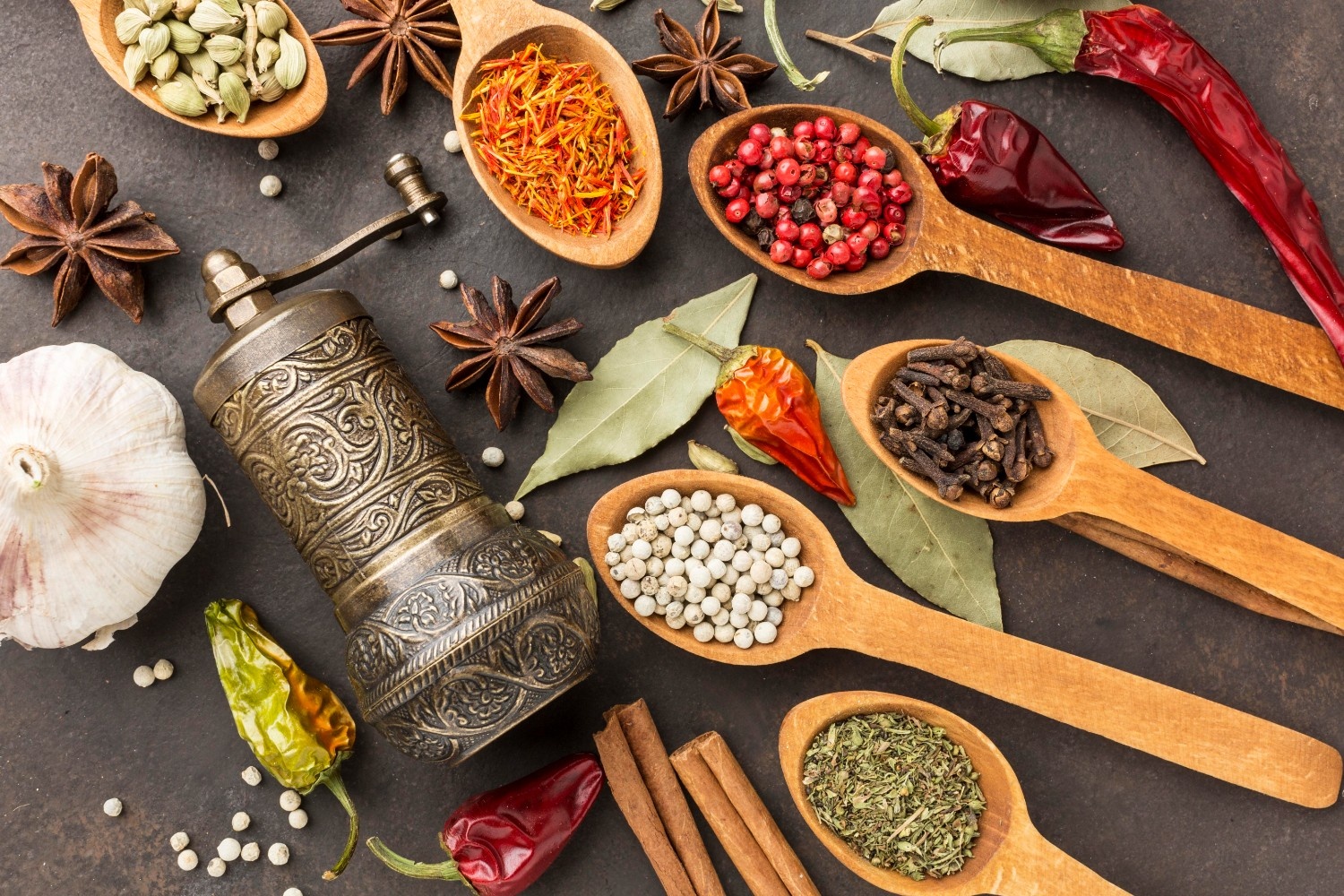
Overall, organic exports to China have increased tremendously due to demand for certified, traceable products that comply with the new Chinese food safety and labelling laws. It is not only about bulk goods; consider turmeric, which is growing in Odisha; ginger, which is growing in Sikkim; black rice, which is growing in Assam; and even organic-grown basil oil products, which were once unknown outside their nearest markets, are now listed on global invoices.
Innovation and communal action are the crusaders behind this movement. Smallholder groups are finding assistance through Farmer Producer Organizations (FPOs) and start-ups in the Agri-tech sector, which help smallholders pool their produce, meet certification requirements, and export in large quantities, a move accelerated by projects such as PKVY and MOVCDNER. Previously a burdensome process, certification is made quick and easy with digital technologies (soil-testing applications, traceability based on blockchain) that improve compliance at a reduced cost.
The price premium earned from certified organic exports not only helps small farmers weather price fluctuations but also enables them to invest in sustainable agriculture, climate-sensitive technologies, and local infrastructure. After Chinese importers make large bulk purchases of Indian organic spices or rice, it is not just a business deal; it is also a tip of the hat to India’s revised rural economy, where farmers are increasingly becoming entrepreneurs.
What Does It Mean for Small Traders?
This is where the reader can identify with the story as a hustler in India’s vast export ecosystem. The rapeseed, gem, and organic booms are not questioning the top-down; they are the grassroots revolution. Smaller cooperatives of family businesses, small farmers, and traders are seizing opportunities that were unavailable a year ago.
The biggest takeaway? Diversification pays. It is paying off in real terms to small exporters who have bravely shifted out of mainstream US or European markets to Chinese markets and have tried niche or specialty products. Currency fluctuations – these are stressful but not as fatal as they used to be, thanks to the increased availability of hedging tools and more intelligent payment platforms designed to serve small businesses.
Agility is the most important lesson for rapeseed exporters. The Canadian tariffs have transformed global flows, and India’s logistics chains have been forced to adjust in the dark. The jewellery and gemstone traders realized that it is better to align with the demand for Chinese festivals and adapt to changing tastes. And organic farmers? They are surviving by joining FPOs, adopting technology, and taking advantage of subsidy programs that make the export process easier.
The Unseen Winners: New Indians Export
When you do the calculations and meet people in local markets, you cannot help but notice the silent boom. The trade year 2025 will be transforming reputations and faces, placing new ones on the map: a rapeseed trader in Alwar, a gemstone cutter in Jaipur, an organic farmer in Meghalaya.