Picture a luxury delivery arriving at a home in Jaipur.
Inside the package sits a French fragrance, a Korean skincare serum, and a pair of limited-edition sneakers ordered online just three days earlier.
Ten years ago, that moment would have been rare outside India’s largest metros.
Today, it is happening every day.
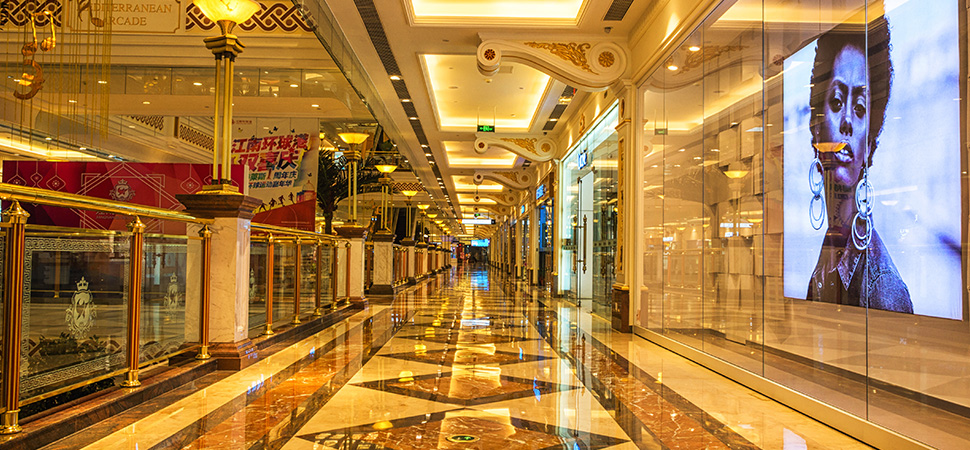
India’s luxury consumption is no longer confined to Mumbai, Delhi or Bengaluru. Aspirational buyers across cities such as Indore, Surat, Lucknow and Coimbatore are increasingly purchasing premium products online.
According to RedSeer Consulting, more than 60% of India’s new e-commerce users now come from Tier-2 and smaller cities.
Meanwhile, research from Boston Consulting Group shows that non-metro India is expected to contribute the majority of new digital commerce growth over the coming decade.
The demand is expanding rapidly.
The challenge is operational.
How can premium lifestyle brands serve these markets without compromising brand prestige?
The answer increasingly lies in warehousing strategy.
Luxury Consumption Is Expanding Beyond Metro Cities
Tier-2 India represents one of the fastest-growing consumer markets globally.
Rising disposable income, improved digital connectivity and social media exposure have reshaped consumer behaviour.
A fashion launch in Milan is now visible instantly on Instagram in Nagpur or Mysuru.
Luxury aspiration is no longer limited by geography.
But while access to products has become digital, fulfilment remains physical.
And that is where logistics complexity begins.
Why Centralized Warehousing No Longer Works Alone
For many years, premium brands relied on a simple logistics model.
One or two large warehouses located near major metro hubs.
This structure worked when demand was concentrated in a few cities.
But when a luxury order placed in Lucknow ships from Mumbai, the product travels hundreds of kilometres before reaching the customer.
Longer distances mean:
- increased transit time
- multiple handling points
- greater damage risk
For premium goods, these risks are not only operational. They are reputational.
A delayed delivery or crushed outer box quietly undermines brand perception.
Decentralized Warehousing and Faster Tier-2 Fulfilment
Many lifestyle brands are therefore shifting toward decentralized warehousing networks.
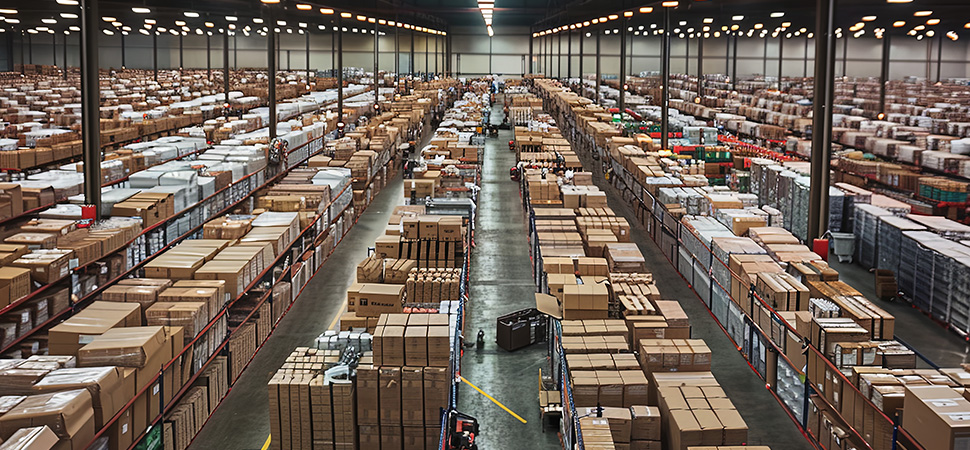
Instead of relying solely on metro storage hubs, inventory is positioned closer to regional demand clusters.
According to supply chain studies by Deloitte, optimizing warehouse networks around demand density can significantly reduce delivery lead times while improving service reliability.
For premium brands, this translates directly into better customer experience.
A product stored closer to a Tier-2 city can often reach customers within 24 to 48 hours instead of several days.
Shorter transit routes also reduce handling risks for fragile luxury packaging.
In this model, warehousing becomes part of the brand experience.
Protecting Brand Prestige Inside the Warehouse
Luxury products require more than shelf space.
They require controlled environments.
Premium lifestyle inventory often needs:
- temperature and humidity stability
- clean storage zones
- controlled access for high-value items
- specialized packing stations that protect presentation
According to logistics infrastructure data from CBRE Group, India has experienced rapid growth in Grade-A warehousing facilities equipped with improved climate control and security systems.
These developments allow brands to replicate metro-level storage standards in emerging markets.
Consistency across warehouse locations is critical.
A fragrance stored in a regional facility must be handled with the same care as one stored in a flagship metro warehouse.
Cost Efficiency Through Smart Network Design
At first glance, operating multiple warehouses appears more expensive.
More facilities mean higher fixed costs.
However, centralized storage also carries hidden expenses.
Long-distance shipping increases fuel costs, delays deliveries and complicates returns.
Research from Deloitte highlights that optimized supply chain networks often reduce overall logistics costs by improving inventory placement and minimizing unnecessary transportation.
For brands serving large Tier-2 markets, regional warehousing can ultimately improve both efficiency and customer satisfaction.
Technology That Keeps Distributed Warehousing Connected
Decentralized storage works only if operational visibility remains centralized.
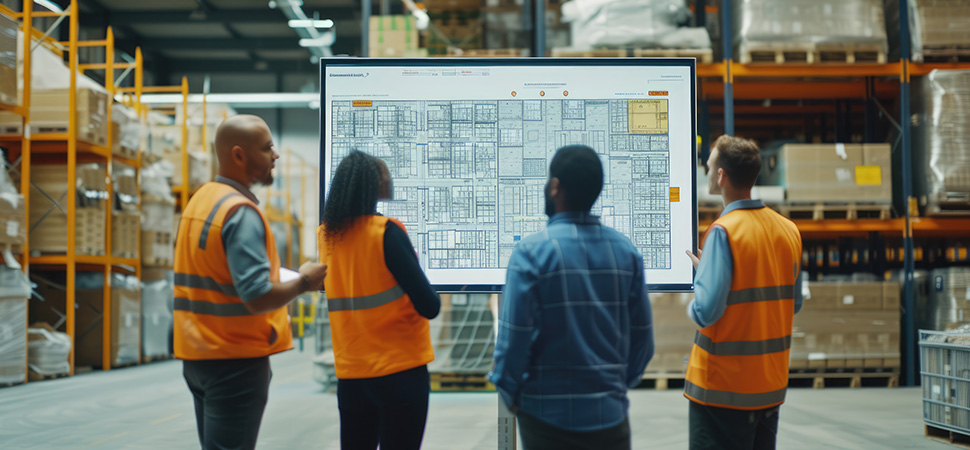
Modern warehouse management systems allow brands to monitor inventory across multiple locations in real time.
Stock levels, replenishment cycles and demand patterns can be coordinated across regions.
According to supply chain research from PwC, supply chain transparency directly strengthens customer trust and loyalty.
Customers may never see the warehouse itself.
But they experience its efficiency through accurate delivery timelines and flawless packaging.
Warehousing as a Competitive Advantage in Emerging Markets
Tier-2 markets are no longer secondary markets.
They are primary growth engines for premium lifestyle brands.
Consumers in cities such as Surat, Bhubaneswar and Nagpur are digitally connected and highly brand aware.
Their first purchase experience often defines long-term brand loyalty.
Hyperlocal warehousing helps brands deliver consistently.
It shortens delivery windows, reduces handling stress and supports regional demand spikes during festive seasons.
For logistics providers with integrated freight and domestic warehousing capabilities, this shift represents a strategic opportunity.
Warehousing is no longer just storage.
It is infrastructure that protects brand reputation.
Conclusion
India’s luxury market is expanding beyond metro cities.
Tier-2 consumers are shaping the next phase of premium retail growth.
Serving these markets successfully requires more than marketing reach.
It requires a redesigned logistics network.
Decentralized warehousing, supported by modern infrastructure and real-time visibility, allows brands to expand confidently without compromising service quality.
In this environment, warehousing becomes more than a supply chain function.
It becomes a foundation for growth.
FAQs
1.Why are Tier-2 cities important for luxury and lifestyle brands in India?
Tier-2 cities are becoming major growth drivers for premium retail and e-commerce in India. Rising disposable incomes, wider internet access, and exposure to global brands through social media have increased demand for luxury products outside metro cities. Studies from Boston Consulting Group and RedSeer Consulting indicate that a significant share of new online shoppers now come from smaller cities, making these markets essential for brand expansion.
2.What is hyperlocal or decentralized warehousing?
Hyperlocal warehousing refers to storing products in multiple regional warehouses closer to customer demand instead of relying on one central distribution hub. This approach helps brands reduce delivery times, improve inventory availability in specific regions, and minimize long-distance transportation risks.
3.How does decentralized warehousing improve delivery performance?
When inventory is stored closer to customers, delivery distances become shorter. This enables faster shipping, often reducing delivery times to 24–48 hours in many Tier-2 markets. Fewer handling points during transit also reduce the risk of damage to premium packaging and high-value products.
4.Can regional warehousesmaintainluxury product quality?
Yes. Modern Grade-A warehousing facilities in India now include advanced infrastructure such as climate control, secure access systems, and specialized packing zones. According to industry data from CBRE Group, the expansion of high-quality logistics parks across India allows brands to maintain the same storage standards in regional hubs as in major metro cities.
5.How does warehousing strategy impact brand reputation?
Warehousing directly affects delivery speed, product condition, and packaging presentation. For luxury brands, customers expect flawless deliveries. A delayed shipment or damaged box can weaken brand perception. Strategic warehousing networks help ensure consistent service quality, which strengthens customer trust and long-term loyalty.