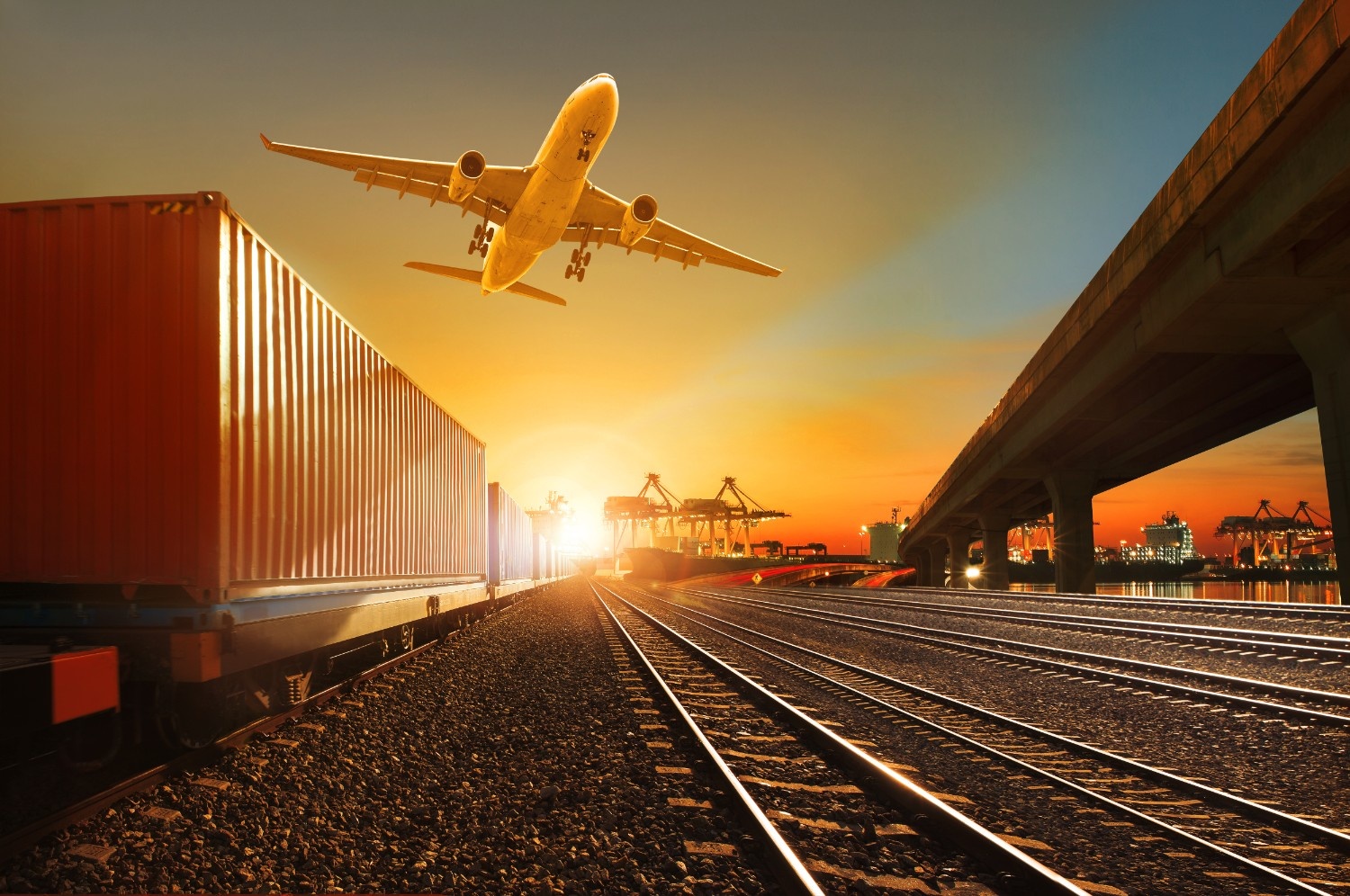
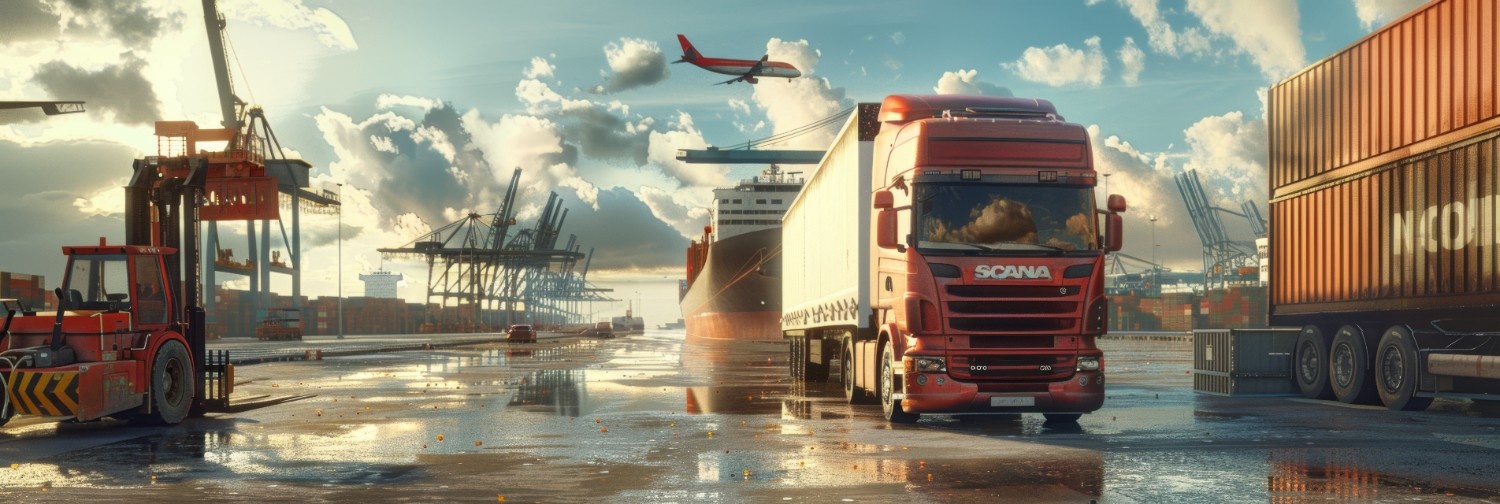
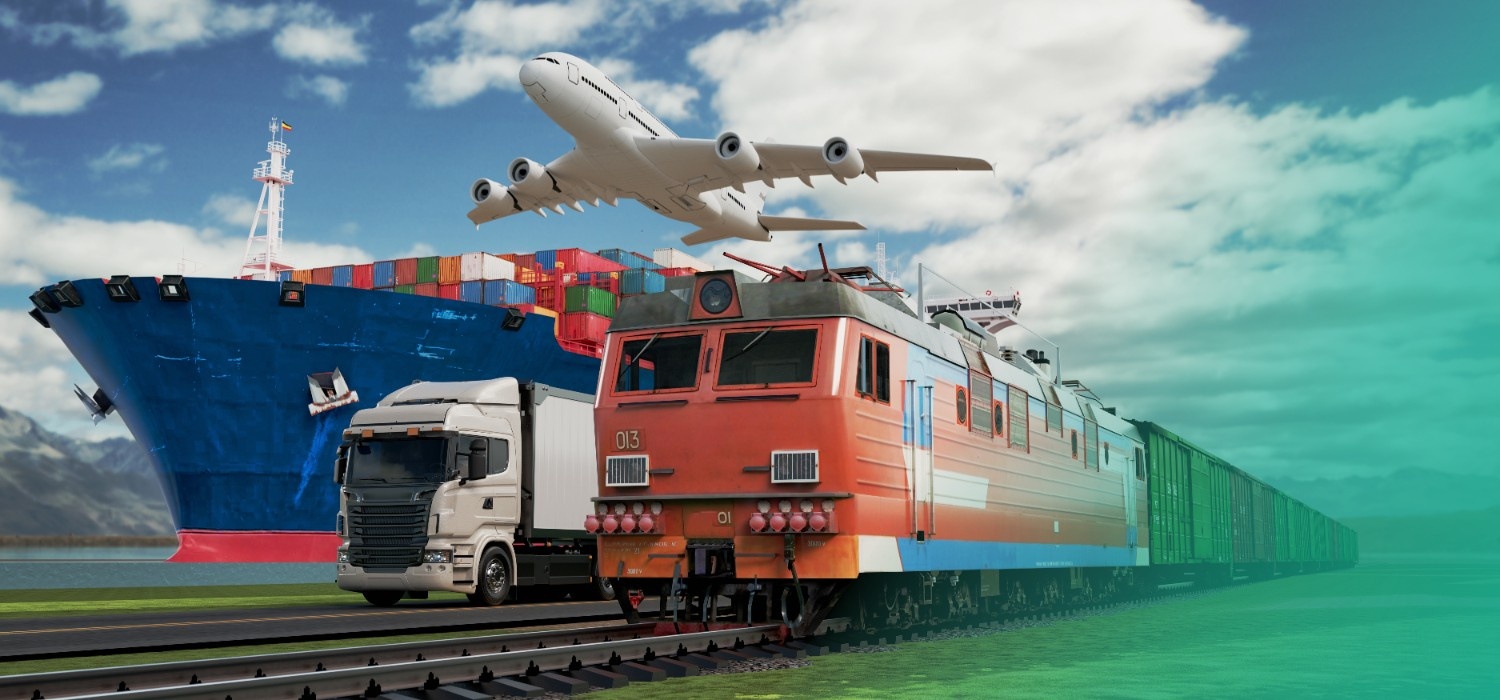
Logistics is no longer about picking a single transport option. The smartest supply chains of tomorrow will be the ones that will combine several different modes: road, rail, ocean and air into a single caviar dance. The two modes have their super powers and combined, the businesses gain speed, savings, flexibility and sustainability simultaneously.
The Technology that Makes It All Possible
It is not only about physical infrastructure that needs integration in 2025. It works with online technologies that ensure that coordination will be a piece of cake:
- Tracking in Real Time: IoT devices and GPS will track cargo at all modes to ensure that shippers and customers receive live tracking during its transit across factories and delivery to the destination.
- AI-Powered Route Optimization: The algorithms examine traffic, weather, costs, and capacity to choose the optimal mode combination when making each shipment. This is not a hunch but facts on the ground.
- Integrated Management Systems: Transport management systems integrate railroad operators, ocean shipping, trucking systems, and air cargo services into one system. One dashboard, one contract, full control.
- Blockchain to Transparency: The implementation of shipments and documents across borders and modes, protected and impossible to alter, can help save time and money and decrease fraud.
Benefits in the Real World: What Multimodal Wins
- Cost Effectiveness: Multimodal strategies allow to lower total shipping costs by 10-20% by pairing every one leg of the trip with the most cost-effective mode.
- Speed and Flexibility: You have to hurry some part of your delivery? Dividing it–air shipping urgent goods and sea by rail for the bulk. Multimodal provides you with choices.
- Resilience: When a port has become congested or a rail line has been delayed, multimodal networks can route cargo via alternative routes without missing delivery windows.
- Sustainability: A change of long-haul freight used in trucks to rail or ocean reduces carbon emissions. Multimodal is a competitive edge in 2025, when the EU mandates a reduction in emissions and its customers demand a more environmentally friendly alternative.
Growth through Investment in Infrastructure
Multimodal hubs are receiving substantial financial support (billions) from governments and non-state actors. The Multimodal Logistics Parks (MMLPs) of India combine road, rail, air, and sea under a single roof, reducing freight costs and increasing efficiency. Railways in Europe are expanding to carry excess freight, reducing reliance on trucks. The U.S. is also modernizing intermodal terminals so that there can be quicker transfers with the ships, trains and trucks.
Such investments are not merely about infrastructure; they are also about establishing ecosystems and networks across various modes through common digital platforms, standardized containers, and synchronized schedules.
Challenges Still Exist
It’s not all smooth sailing. The organization of different carriers, customs services, and infrastructure organizations requires strict coordination. Flows can be interrupted by container shortages as well as equipment imbalances. Each mode has different regulations that complicate things further, particularly on international routes.
But the perquisites are far too many to count the headaches. Firms that master the multimodal logistics receive speed, savings and the flexibility to withstand instabilities.
The Future: Still Smarter Integration
In the future, even more tight integration can be expected. The Hyperloop is still under development and may, in the future, provide rail-level efficiency at air-like speeds. Last-mile deliveries will be done more efficiently by drones and autonomous trucks. AI will be improved in terms of forecasting disruptions and automatically rerouting shipments between modes in real time.
The goal? A self-thinking logistics structure–where your shipment smoothly moves between ocean, rail, truck, and air depending on real-time circumstances, cost, and priorities, and none of the human factor is involved.
Final Thoughts
The success of logistics in 2025 is not associated with the ability to select the most successful mode of transport. It consists of coordinating all four: road, rail, ocean, and air, into such a coordinated structure as to produce goods quicker, cheaper, and more environmentally friendly than ever before. The winning companies today are those that do not view transportation as a set of silos, but as a single, integrated, intelligent network.