


By Jitendra Srivastava
The way products are manufactured has changed permanently.
On-demand tech manufacturing is no longer an experiment. It is redefining how companies build, store and move goods. And as production models evolve, freight forwarding must evolve with them.
According to the U.S. Census Bureau, U.S. manufacturers’ new orders for durable goods exceeded $3 trillion in 2025, reflecting continued industrial expansion. At the same time, the Government of India’s Ministry of Commerce and Industry reported that India’s electronics production surpassed USD 115 billion in FY 2024–25, driven by rapid growth in high-value tech manufacturing clusters.
Production is growing. But it is not growing in the old, centralized way.
Instead of massive overseas factories producing months of inventory, companies are shifting toward localized, on-demand tech manufacturing supported by digital platforms, additive production and modular micro facilities. This transformation directly impacts the global supply chain and fundamentally changes what freight forwarders must deliver.
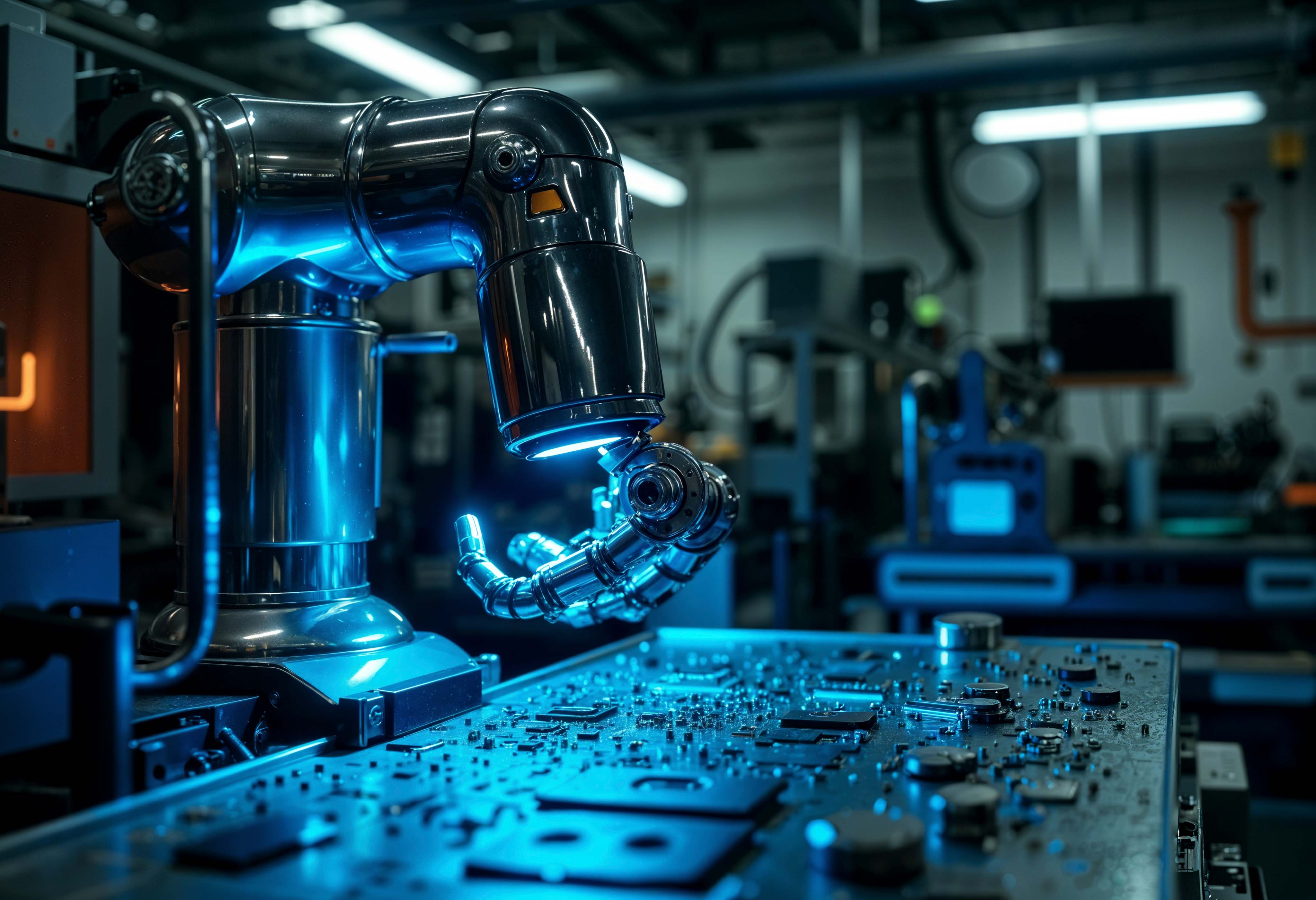
What On-Demand Tech Manufacturing Really Means
On-demand tech manufacturing connects digital design, real-time order data, and distributed production capacity.
Rather than producing large volumes for warehouse storage, manufacturers now produce smaller batches closer to demand. Designs are stored digitally. Production capacity is flexible. Finished goods often move directly from factory to customer.
This compresses the traditional make-store-ship model into a more agile make-ship cycle.
For the supply chain, this means fewer large container shipments of finished goods and more frequent, time-sensitive movements of components, subassemblies, and raw materials.
Freight forwarders must now operate in shorter cycles with tighter coordination.
Shipment Profiles Are Changing
In a centralized manufacturing model, freight forwarding focused heavily on full-container ocean shipments and predictable replenishment schedules.
On-demand tech manufacturing changes that pattern.
Shipments are now:
- Smaller and more frequent
- Regionally distributed
- Time-critical
- Highly SKU-diverse
According to the U.S. Department of Transportation Bureau of Transportation Statistics, domestic freight volumes continue to rise steadily, but modal distribution is shifting toward regional trucking and intermodal solutions.
This means freight forwarders must manage higher transaction volumes while maintaining precision timing.
The supply chain is no longer about bulk movement alone. It is about synchronization.
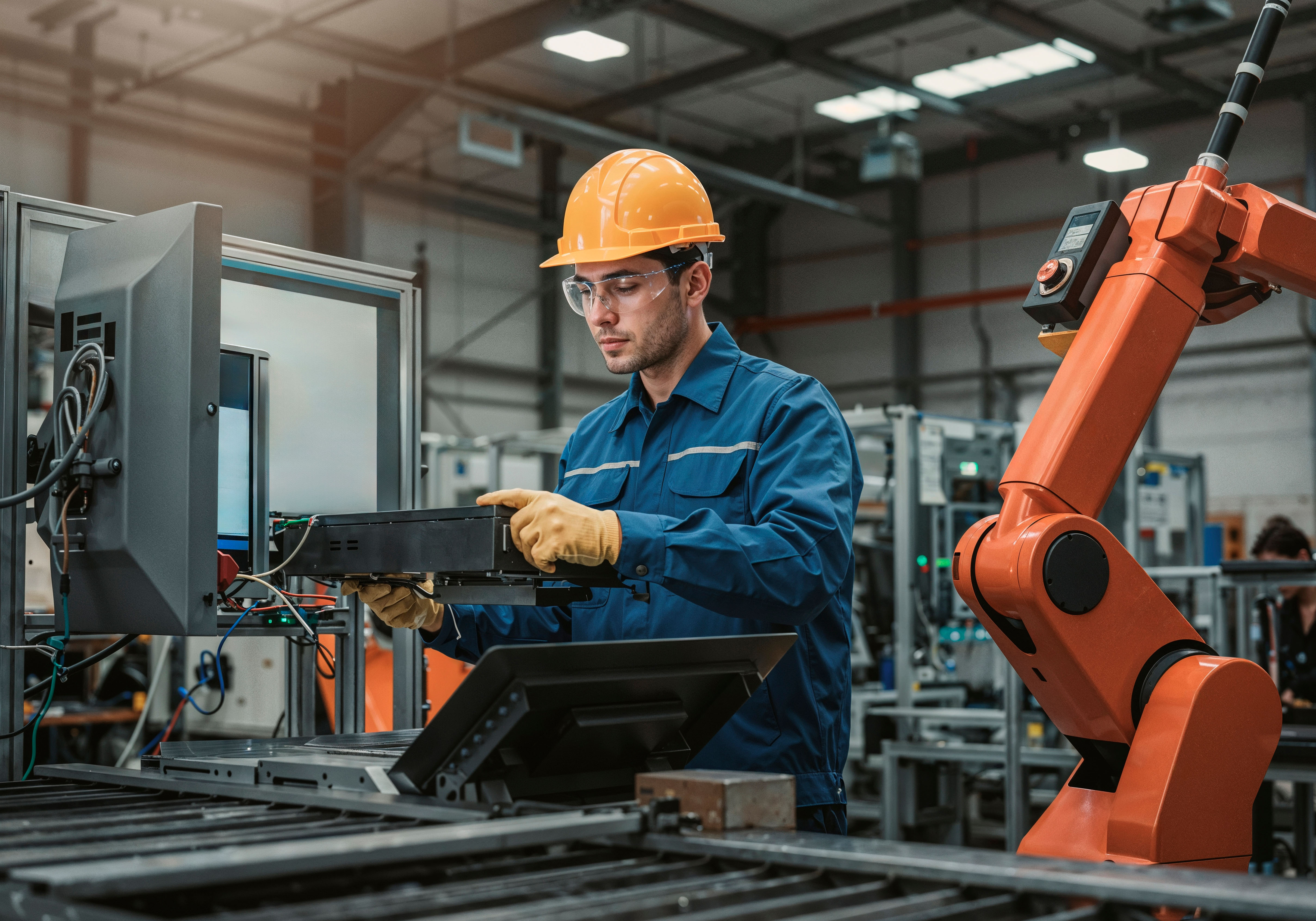
Inventory Is Becoming Digital
One of the most profound changes in tech manufacturing is the replacement of physical inventory with digital inventory.
Companies now store CAD files, production specifications, and approved supplier data rather than large stocks of finished goods.
The Government of India’s National Logistics Policy progress report (2025) highlights digital integration and real-time tracking as central to improving logistics efficiency and reducing inventory holding costs.
For freight forwarders, this creates opportunities.
Instead of deep warehousing for finished goods, the focus shifts to:
- Short-term buffer storage
- Cross-docking
- Rapid consolidation hubs
- Just-in-time feedstock movement
Freight forwarding becomes a coordination function between distributed production nodes rather than a simple transportation service.
Resilience Is Driving Strategic Shifts
Recent years have reinforced a simple lesson. Supply chain resilience is not optional.
According to the U.S. Bureau of Economic Analysis, manufacturing value added as a percentage of GDP has remained stable through 2025 despite global volatility. Much of this stability is linked to supply chain diversification and regional production strategies.
On-demand tech manufacturing allows companies to shift production between facilities when disruptions occur. If one plant faces delays, another microfacility can step in.
For freight forwarders, this means building flexible routing strategies and maintaining strong regional carrier partnerships. The role expands beyond shipment booking. It becomes capacity orchestration.
Sustainability Is Now a Business Metric
Governments worldwide are tightening emissions frameworks.
The European Environment Agency 2025 transport report notes that freight transport remains one of the largest contributors to logistics-related emissions. Localized tech manufacturing reduces long-haul finished goods shipments and shortens delivery lanes.
Freight forwarding companies that integrate regional consolidation, optimized routing and intermodal transport directly contribute to emissions reduction.
Sustainability is no longer a compliance checkbox. It is part of competitive positioning within the supply chain.
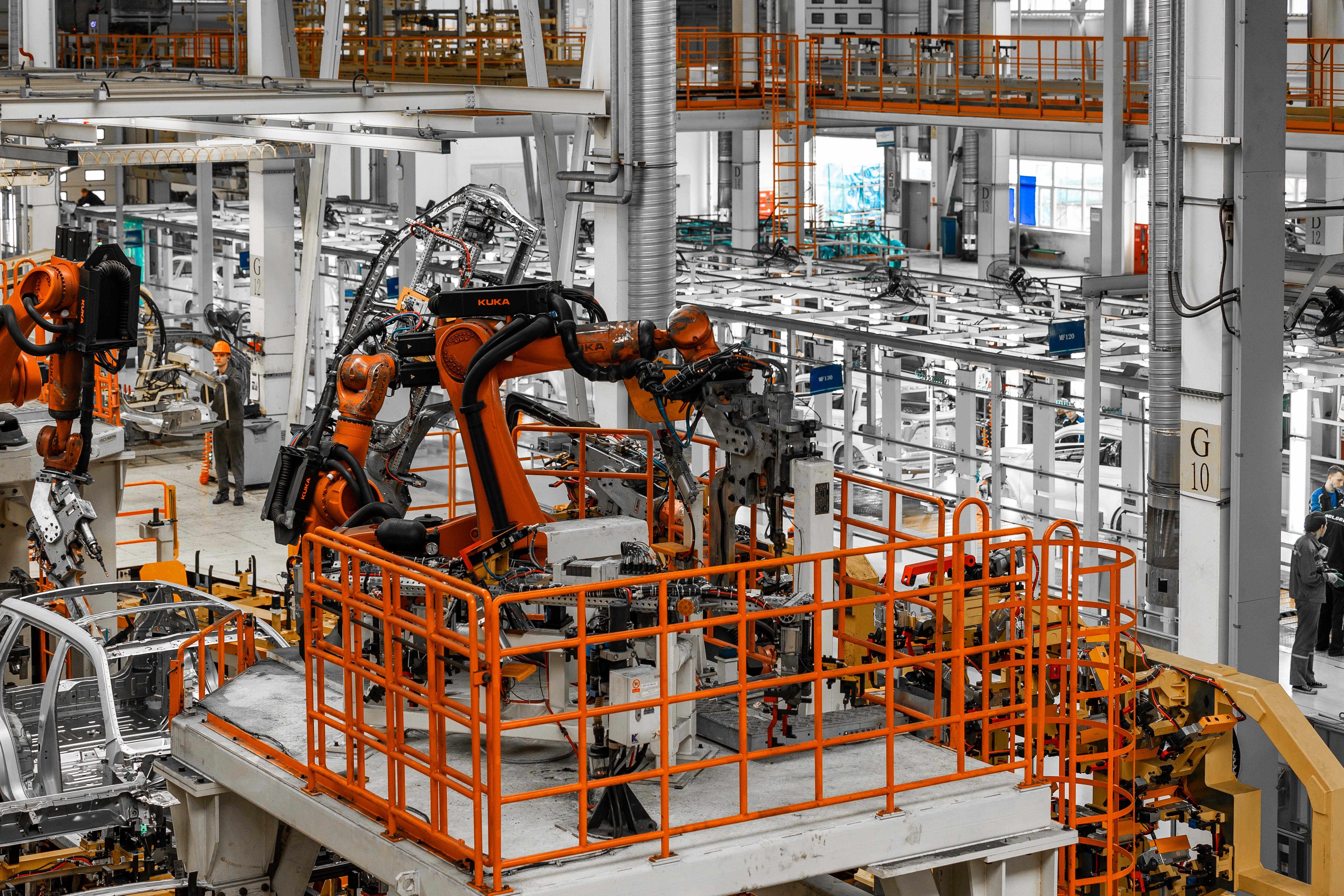
What This Means for Freight Forwarders in 2026
Freight forwarders must rethink service models in four critical areas:
- Modular service design for small-batch flows
- API-driven visibility and real-time tracking
- Flexible warehousing near demand clusters
- Expertise in inbound component and feedstock logistics
The rise of tech manufacturing does not eliminate traditional bulk shipping. High-volume goods will still move by ocean. However, a growing portion of high-value SKUs will rely on localized production supported by agile freight forwarding networks.
The freight forwarders who succeed will treat manufacturing timelines as inputs to logistics planning, not afterthoughts.
At Triton, we see freight forwarding as an integrated enabler of modern tech manufacturing. When production accelerates, logistics must accelerate with it. When manufacturing decentralizes, coordination must intensify.
This shift is not simply operational. It is strategic.
The future supply chain belongs to those who connect production intelligence with transportation precision.
FAQs
1. How does on-demand tech manufacturing impact freight forwarders in 2026?
On-demand tech manufacturing increases shipment frequency while reducing shipment size. Freight forwarders must manage more transactions, tighter delivery windows and stronger integration with production schedules. Digital visibility and flexible routing are now essential for supply chain reliability.
2. Why is tech manufacturing shifting toward localized production?
Localized tech manufacturing reduces lead times, lowers transport risk and improves resilience. Government data from India and the United States shows strong growth in regional manufacturing clusters, encouraging distributed production rather than centralized global sourcing.
3. Does on-demand production reduce international freight forwarding volumes?
Not entirely. While finished goods shipments may decrease on certain lanes, inbound flows of components, raw materials and specialized parts increase. Freight forwarders often see higher complexity rather than lower volume within the supply chain.
4. How does digital integration improve freight forwarding performance?
Digital integration allows real-time exchange of order status, carrier updates and production timelines. This ensures freight forwarders can adjust routes dynamically and prevent disruptions. Visibility reduces delays and improves SLA adherence.
5. Will traditional manufacturing disappear?
No. High-volume standardized goods will continue to rely on traditional large-scale production and ocean freight. On-demand tech manufacturing is most effective for customized, complex or high-value products. Freight forwarders must analyze client portfolios to determine which SKUs align with localized production models.