
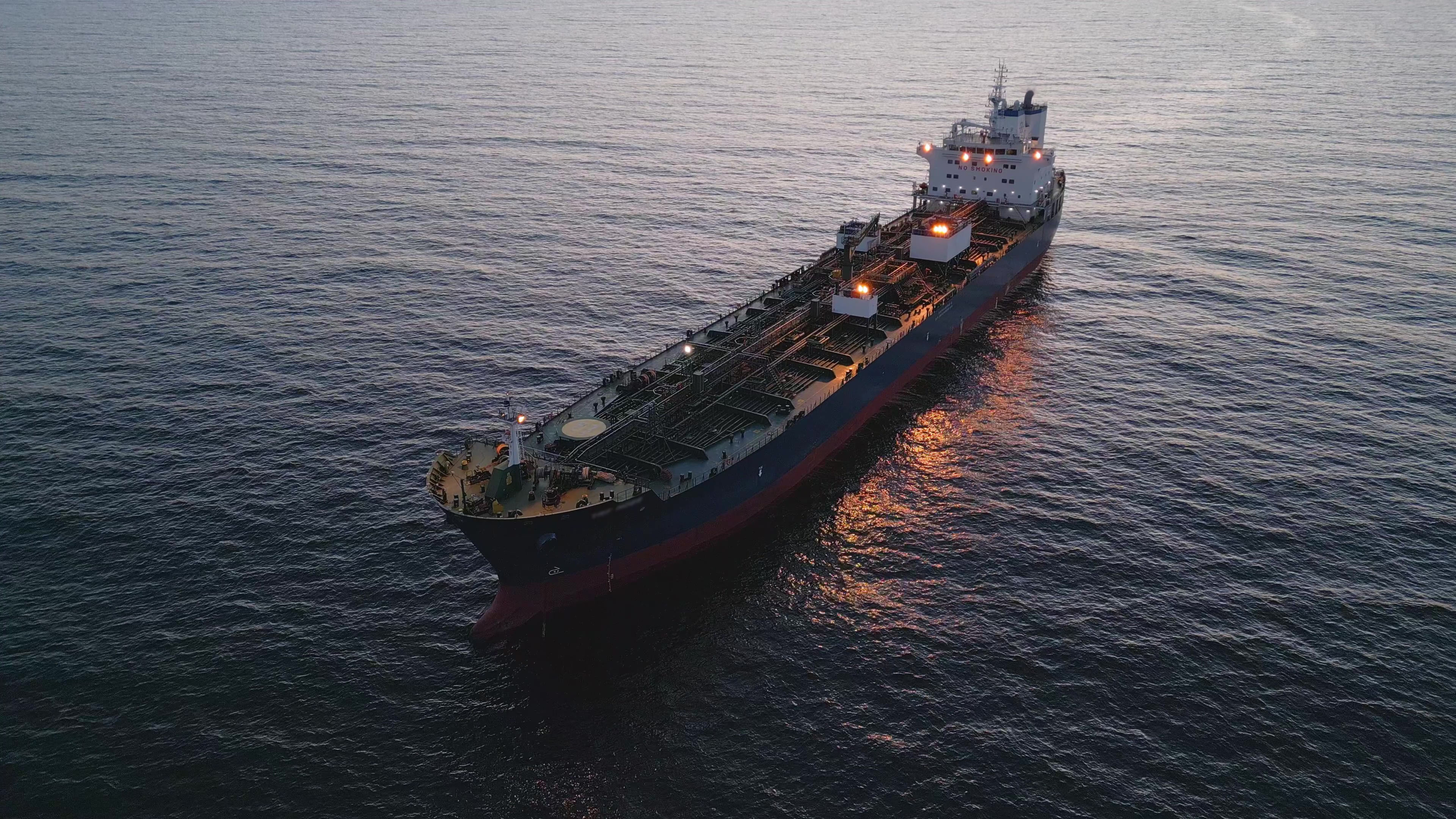
For years, globalization promised a simple idea.
Goods could be produced anywhere and delivered everywhere.
Companies built supply chains around efficiency. Cargo moved through predictable routes. Shipping lanes were treated almost like permanent infrastructure.
But the last few years have challenged that assumption.
Today global supply chains are being reshaped not just by economics, but by geopolitics.
From the Red Sea to the Persian Gulf, conflicts and tensions are forcing the logistics industry to rethink how goods move around the world.

The Return of Geopolitics in Global Trade
For decades, international trade operated under relatively stable maritime conditions.
Shipping lanes were rarely disrupted by conflict, and supply chains expanded across continents in search of lower costs and faster production cycles.
That stability is now fading.
Recent geopolitical developments have placed several critical trade corridors under pressure.
- Attacks on commercial vessels in the Red Sea have forced ships to reroute around Africa.
- Escalating tensions in the Strait of Hormuz threaten the world’s most important energy corridor.
- Political tensions and sanctions are increasingly affecting global trade flows.
The result is a logistics environment where routes that once felt predictable now carry significant uncertainty.
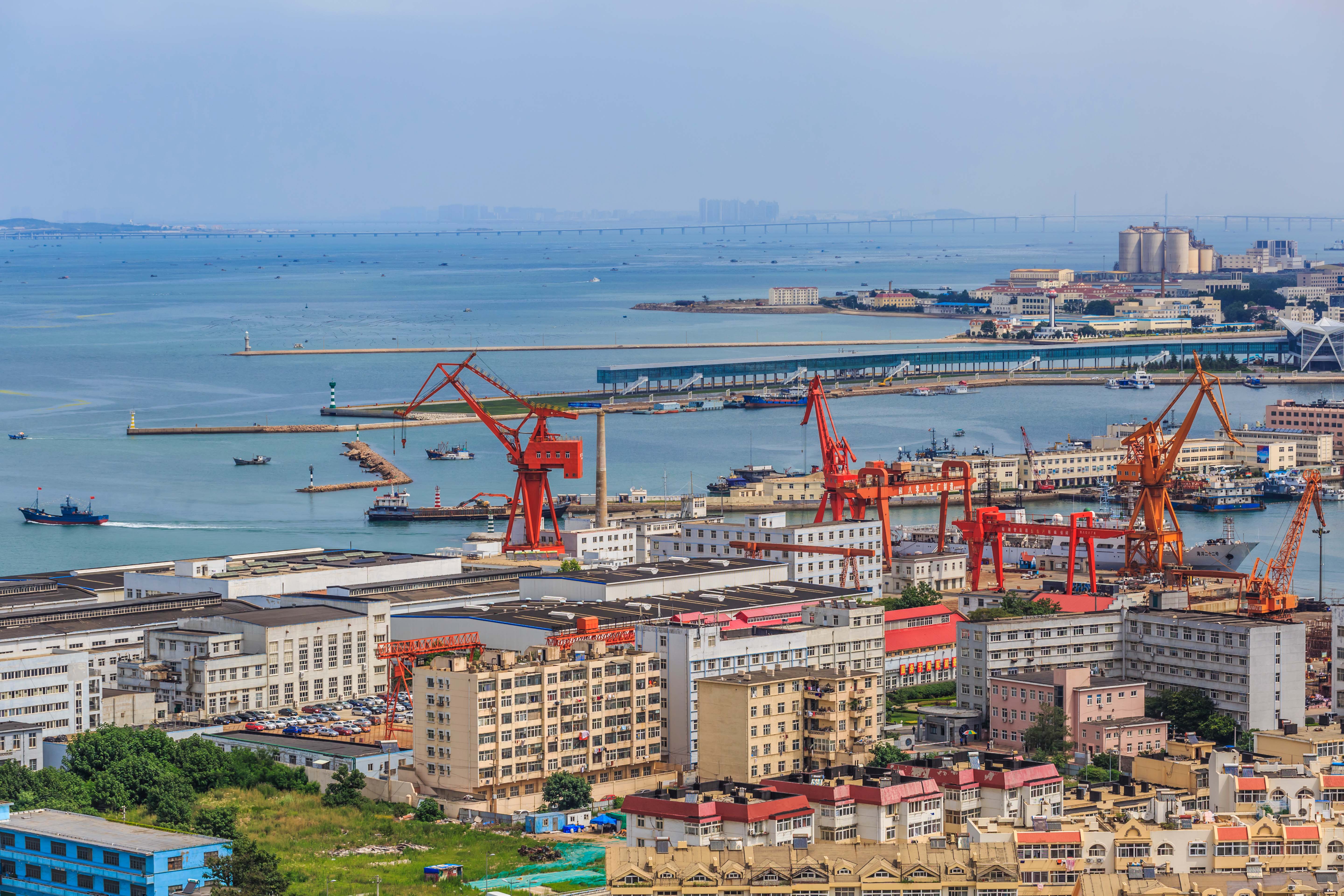
The Red Sea Crisis and the Cost of Rerouting
One of the clearest examples of geopolitical disruption has emerged in the Red Sea.
Security threats in the Bab el-Mandeb region have pushed many container shipping companies to avoid the Suez Canal route and divert vessels around the Cape of Good Hope.
This detour adds thousands of nautical miles to voyages between Asia and Europe.
For shipping companies, the consequences are immediate:
- Longer transit times
- Higher fuel consumption
- Increased freight rates
For global supply chains, the impact spreads much further.
Factories receive materials later, retailers face delayed inventories, and logistics planners must constantly adjust delivery schedules.
Energy Routes Under Pressure
At the same time, the Persian Gulf has become another focal point of concern.
The Strait of Hormuz remains the most critical oil transit chokepoint in the world, carrying roughly 20 million barrels of oil per day, according to the U.S. Energy Information Administration.
That represents about one fifth of global petroleum consumption.
Any instability in the corridor can immediately affect global energy markets and shipping activity.
For a deeper analysis of how tensions around the corridor could reshape maritime logistics, read our detailed breakdown:
The Strait of Hormuz Risk: How Middle East Tensions Could Reshape Global Shipping Routes.
Freight Costs and Insurance Are Rising
Geopolitical risk does not only affect shipping routes. It also changes the economics of logistics.
When vessels sail through regions considered high risk, insurers apply war-risk premiums to protect against potential damage or attacks.
These premiums can increase shipping costs significantly, especially for tankers and large container vessels.
In addition, longer routes increase bunker fuel consumption, which pushes freight rates higher.
Over time these factors ripple through supply chains, affecting everything from manufacturing costs to consumer prices.
Supply Chains Are Becoming More Regional
One of the most important long-term consequences of geopolitical disruption is the gradual shift toward regionalized supply chains.
Companies that once relied on single global production hubs are increasingly diversifying their operations.
Manufacturers are exploring strategies such as:
- Near-shoring production closer to consumer markets
- Diversifying suppliers across multiple regions
- Building strategic inventory buffers
The goal is not necessarily to abandon globalization, but to make supply chains more resilient when disruptions occur.
The Logistics Industry Is Adapting
Shipping companies and logistics providers are already adjusting to this new environment.
Some of the changes becoming more visible include:
- Greater use of real-time supply chain visibility tools
- Flexible routing strategies across multiple ports and corridors
- Increased collaboration between shipping lines and logistics partners
Technology and data are becoming essential tools for navigating a world where geopolitical risk can suddenly disrupt established trade routes.
A New Era of Supply Chain Strategy
Global trade is unlikely to become less interconnected.
But the way supply chains are designed is clearly evolving.
The events unfolding in the Red Sea and the Persian Gulf highlight a broader shift.
Efficiency alone is no longer enough.
Companies must now balance efficiency with resilience.
For logistics leaders, exporters, and policymakers, the challenge is clear: build supply chains that can adapt quickly when global trade routes change.
Because in the modern world, geopolitics and logistics are no longer separate conversations.
FAQ
How do geopolitical conflicts affect global supply chains?
Geopolitical conflicts can disrupt shipping routes, increase insurance premiums, delay cargo movements, and force companies to reroute vessels or redesign supply chains.
Why are shipping routes changing in 2026?
Conflicts and security threats in regions like the Red Sea and Persian Gulf are causing shipping companies to avoid certain corridors and take longer alternative routes.
What is the biggest geopolitical risk to shipping today?
The Red Sea corridor and the Strait of Hormuz are currently among the most sensitive maritime regions affecting global shipping and energy transport.
Why are freight costs increasing during geopolitical conflicts?
Freight costs rise due to longer routes, higher fuel consumption, war-risk insurance premiums, and reduced shipping capacity.
How are companies adapting to geopolitical supply chain risks?
Many companies are diversifying suppliers, regionalizing production, increasing inventory buffers, and using digital supply chain visibility tools.