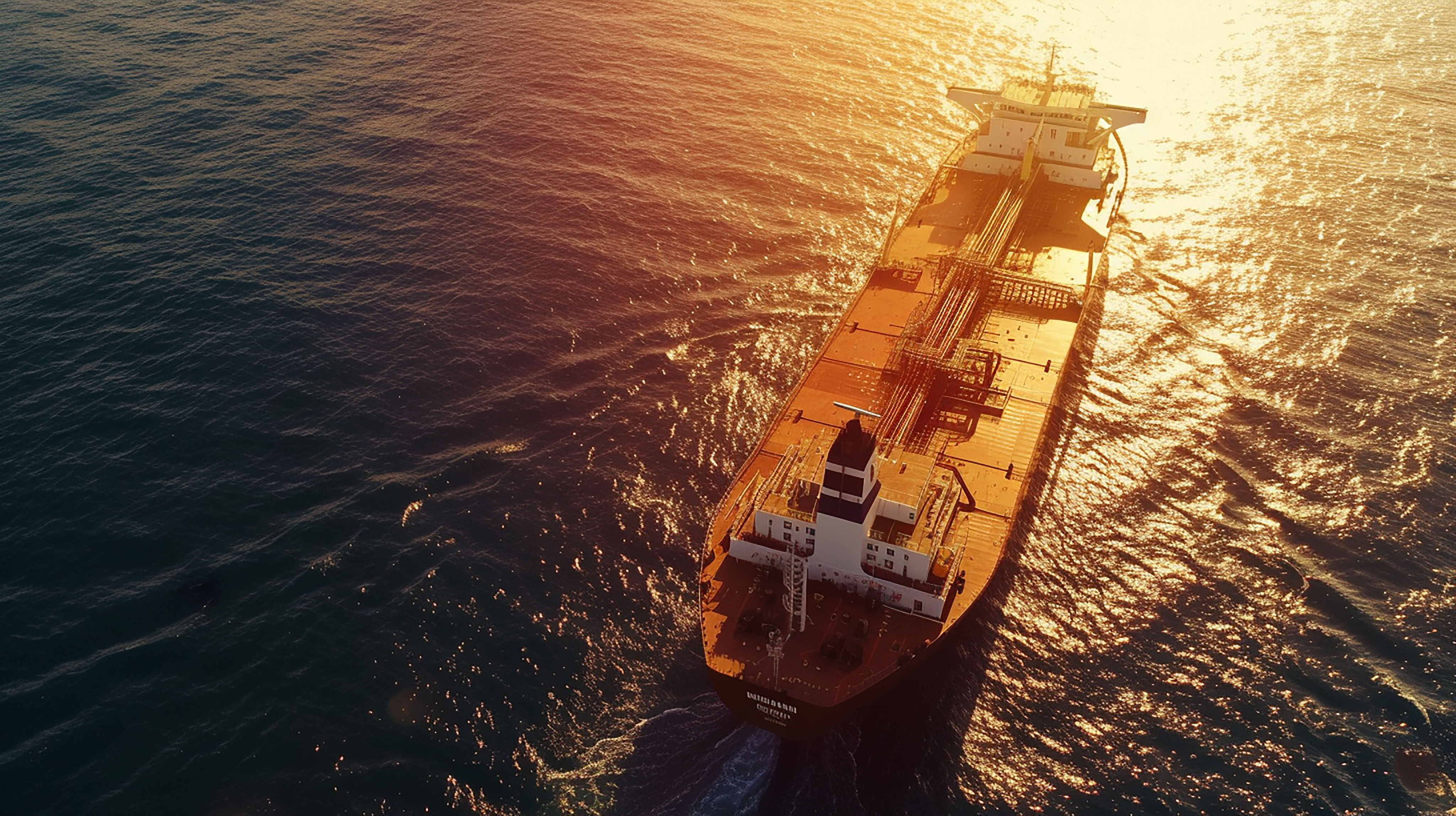
When people hear about wars on the news, they often think about politics or military conflict. But wars also have a powerful effect on something that affects everyday life across the world: global trade.
The ongoing conflict involving Iran in early 2026 has quickly become a real-world example of how fragile the global logistics system can be. Within days of the escalation, shipping routes, air cargo networks, fuel prices, and global supply chains began to experience serious disruption.
To understand why, we need to start with one of the world’s most important maritime routes: the Strait of Hormuz.
A Tiny Passage That Carries Massive Trade
The Strait of Hormuz is a narrow waterway between Iran and Oman that connects the Persian Gulf to the rest of the world. Despite its small size, it plays an enormous role in global trade. Around 20 percent of the world’s oil supply normally passes through this corridor, making it one of the most strategic chokepoints in global logistics.
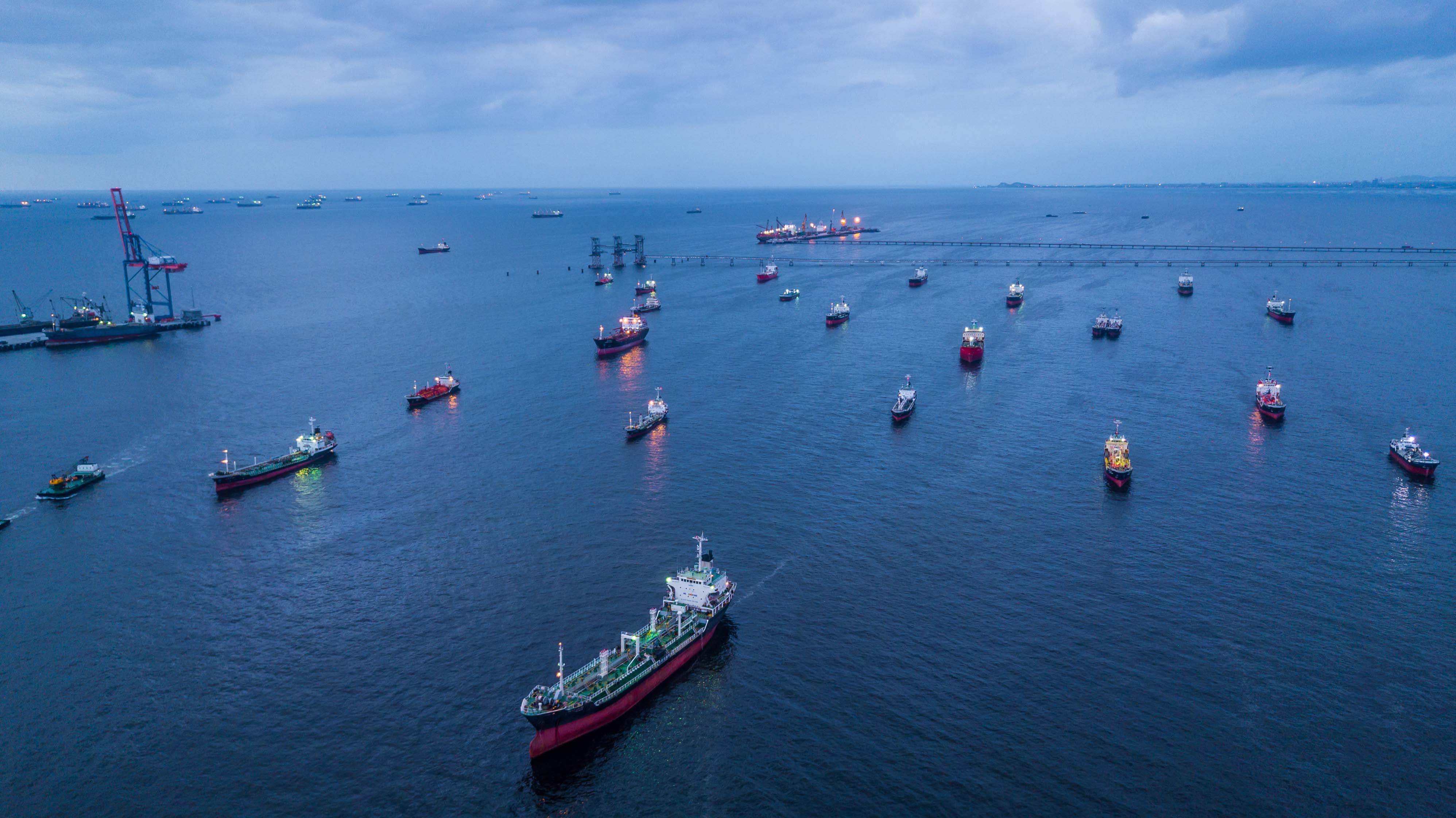
After military strikes and retaliatory attacks in late February 2026, the situation in the region deteriorated rapidly. Tankers were damaged, shipping companies feared further attacks, and vessels began avoiding the area. Traffic through the strait dropped dramatically, with more than 150 ships anchoring nearby instead of crossing the passage.
When such a key shipping lane becomes unsafe, the impact spreads far beyond the Middle East.
Shipping Companies Start Suspending Routes
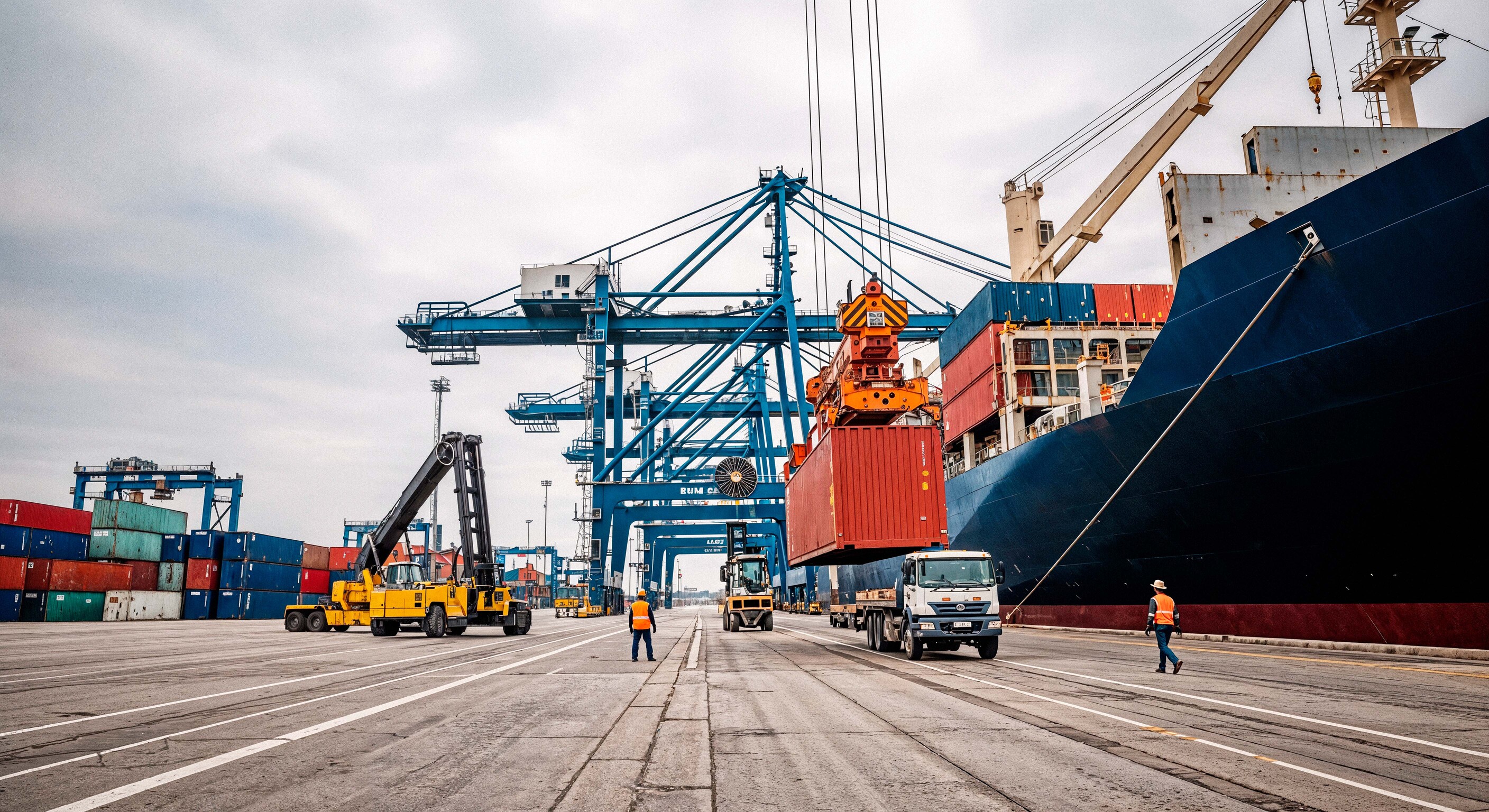
Global shipping companies quickly responded to the rising risks. One of the world’s largest container carriers temporarily suspended two major services connecting Asia, the Middle East and Europe, highlighting how serious the disruption had become.
These routes normally move thousands of containers filled with goods such as electronics, clothing, machinery, and consumer products.
When routes are suspended, several problems occur simultaneously:
- Cargo already on ships may be delayed or redirected
- Containers get stuck at ports
- Ships cannot complete their planned voyages
- Global shipping schedules collapse
At one point during the crisis, 147 container ships were effectively stranded in the Gulf, creating congestion and shortages of empty containers needed elsewhere in the world.
This kind of disruption can take weeks or even months to fully recover from.
Freight Costs Suddenly Rise
Another major consequence of the conflict is the sudden increase in shipping costs.
Shipping companies and insurers began introducing war-risk surcharges for vessels entering or sailing near conflict zones. These additional charges help cover the higher insurance and operational risks faced by ships traveling through dangerous waters.
In many cases, exporters reported paying thousands of dollars per container in extra charges, sometimes between $1,500 and $4,000 per container depending on the route and cargo type.
Fuel prices have also increased because of the conflict. In response, major carriers have introduced emergency bunker surcharges to recover rising fuel costs and maintain operations.
These additional expenses eventually affect businesses and consumers worldwide, often resulting in higher product prices.
Air Cargo is Also Affected
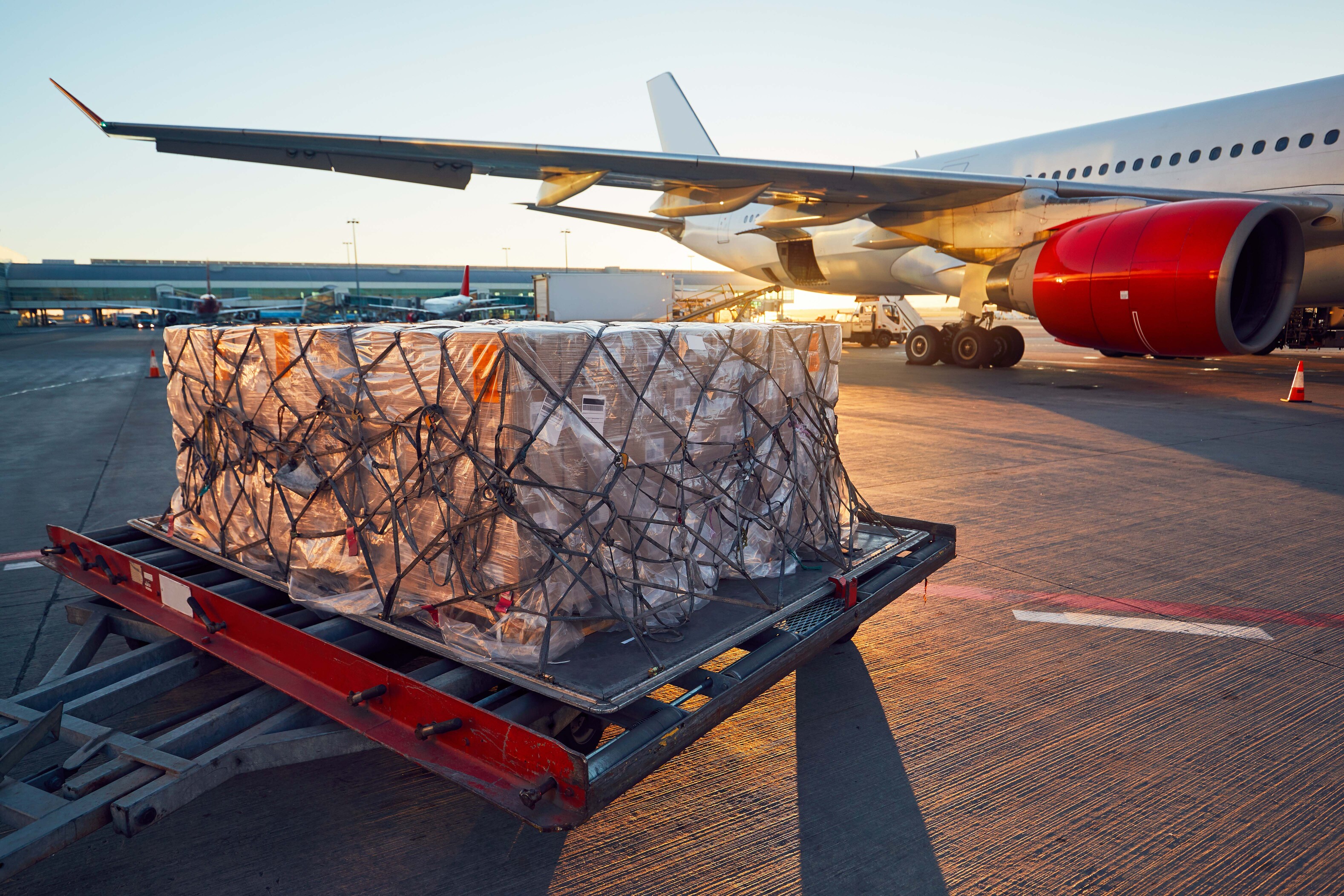
The disruption is not limited to ships. Air cargo networks have also been affected because several Middle Eastern countries temporarily restricted or altered airspace due to security concerns.
Airlines had to reroute flights around the affected areas, which meant longer travel times and higher fuel consumption. As a result, global air cargo capacity fell by around 22 percent during the crisis, creating delays for shipments such as pharmaceuticals, electronics, fresh food, and aircraft parts.
When cargo capacity drops, freight prices rise and companies struggle to move goods quickly across continents.
Why Students Should Care
At first glance, a conflict thousands of kilometers away may seem unrelated to everyday life. But global trade is deeply interconnected.
Many products used daily – smartphones, cars, medicines, food, and clothing – travel across multiple countries before reaching consumers. When a major shipping route becomes unstable, it can affect:
- Global energy prices
- Manufacturing supply chains
- International business operations
- Retail product availability
In other words, geopolitics and logistics are closely connected.
Lessons for the Future of Global Supply Chains
The 2026 Middle East crisis highlights an important lesson for businesses and policymakers: global supply chains depend heavily on a few critical routes and hubs.
When those routes are disrupted, companies must quickly adapt by:
- Rerouting ships and aircraft
- Using alternative ports
- Paying higher insurance and fuel costs
- Redesigning supply chain strategies
For students studying business, logistics, international trade, or economics, this event demonstrates how real-world geopolitical events can rapidly reshape the global economy.
The Bigger Picture
Modern global trade is incredibly efficient, but it is also vulnerable. A single chokepoint such as the Strait of Hormuz can influence energy markets, shipping schedules, and freight prices across continents.
The ongoing developments in March 2026 show that logistics is not just about transporting goods. It is also about risk management, geopolitics, and global coordination.
For the next generation of supply chain professionals, understanding these connections will be more important than ever.
FAQs
Why does a conflict in the Middle East affect global trade so quickly?
The Middle East sits at the center of several critical global transport routes. One of the most important is the Strait of Hormuz, through which around one-fifth of the world’s oil supply normally passes. When tensions rise in this region, ships, aircraft, and insurers consider the routes risky. This can cause shipping companies to delay voyages, reroute vessels, or temporarily suspend services, which quickly disrupts global trade flows.
What is a war-risk surchargeinshipping?
A war-risk surcharge is an additional fee applied to cargo when ships travel through areas considered dangerous because of conflict or military activity. Marine insurance companies raise premiums for vessels entering these zones, and shipping lines pass that cost on to exporters and importers through surcharges added to container freight.
How has the 2026 conflict affected freight costs?
Freight costs have increased mainly because of emergency surcharges, higher insurance premiums, and longer shipping routes. Some shipping lines have introduced additional charges of several thousand dollars per container to recover increased operational costs, while air cargo operators have added fuel and contingency surcharges due to longer flight routes.
Why are airlines and cargo flights taking longer routes?
Some airspace in the Middle East has become restricted or risky due to the conflict. To avoid these areas, airlines reroute flights around affected regions. This increases flight time and fuel consumption, which reduces cargo capacity and raises operating costs for airlines and logistics companies.
What lessons does this crisis offer for global supply chains?
The crisis shows that global supply chains rely heavily on a few key transport corridors and hubs. When those routes are disrupted, businesses face delays, higher costs, and supply shortages. As a result, companies are increasingly focusing on diversifying trade routes, strengthening regional logistics hubs, and building more resilient supply chains to handle geopolitical risks.