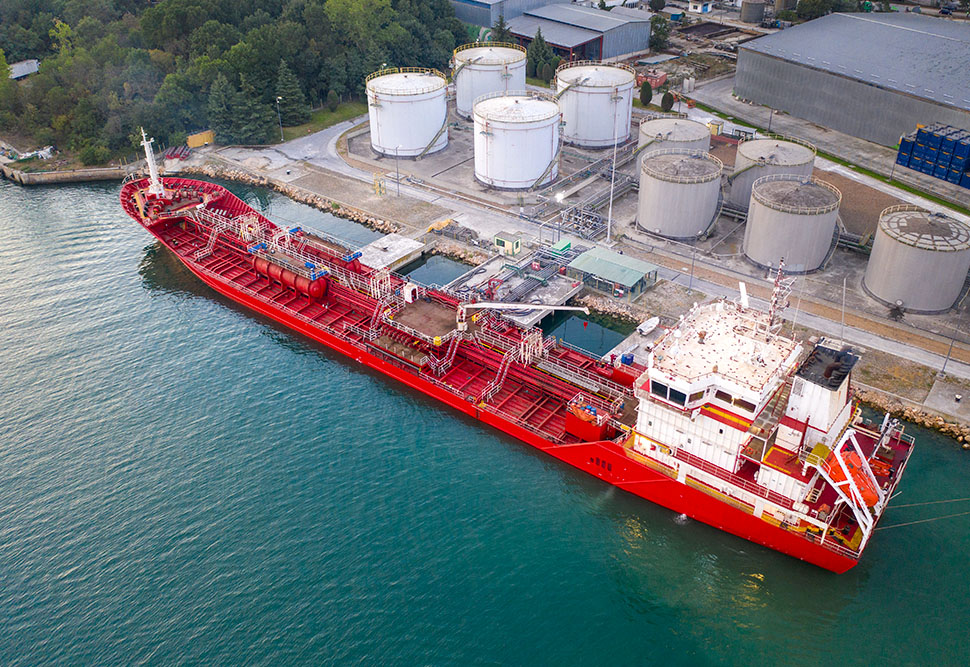
Imagine an offshore oil platform operating hundreds of kilometres from shore.
Engineers are monitoring pressure levels, drilling teams are coordinating operations, and millions of dollars of production depend on everything functioning perfectly.
Then one component fails.
A valve. A control module. A compressor part.
Production stops.
Every hour lost costs money.
In energy logistics, time is not just operational efficiency. It is revenue.
According to the International Energy Agency, global oil demand continues to remain above 102 million barrels per day, driven largely by rising consumption across Asia.
As demand remains strong, oil and gas operators cannot afford operational delays.
This reality is forcing companies to rethink how supply chains support offshore operations.
One emerging solution is surprisingly simple.
Move the warehouse offshore.
Why Ports Are Becoming a Bottleneck
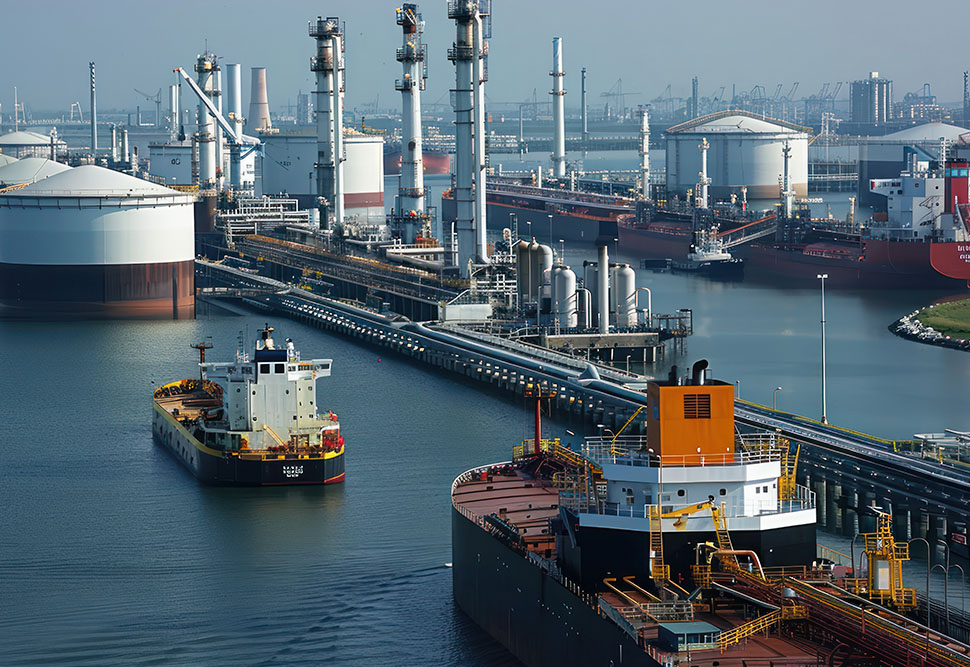
Traditionally, spare parts and operational materials for offshore platforms are stored in warehouses located near ports.
When equipment is needed, cargo moves from the warehouse to supply vessels and then to offshore rigs.
But global logistics disruptions over the past several years have revealed a major vulnerability.
Ports are increasingly congested.
Research from the World Bank shows that vessel waiting times and cargo dwell periods have increased in many major ports due to global supply chain volatility.
For oil and gas companies, delays in port operations translate directly into operational risk.
If critical equipment is stuck in a congested port terminal or delayed by customs clearance, the consequences can ripple through drilling schedules and maintenance cycles.
This is where floating warehouses offer a strategic alternative.
What Floating Warehouses Really Are
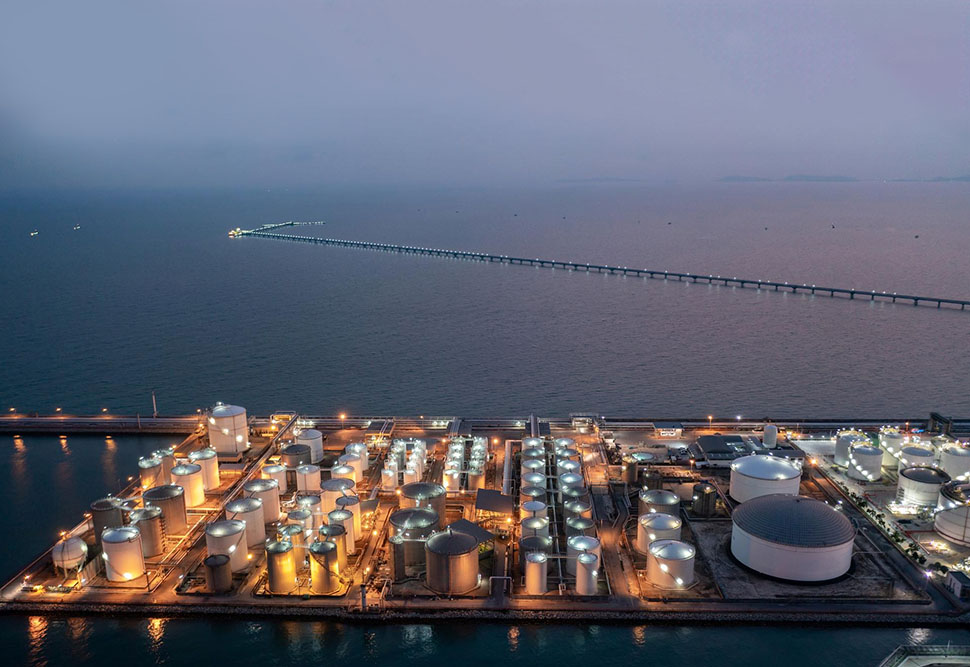
A floating warehouse is a vessel or offshore platform used to store operational inventory at sea rather than on land.
Instead of relying exclusively on port-side storage facilities, companies position spare parts, chemicals, and equipment on ships stationed near offshore production areas.
This concept builds on existing offshore infrastructure models.
The energy industry has long relied on Floating Production, Storage and Offloading vessels, commonly known as FPSOs, which store and process hydrocarbons offshore.
These vessels reduce dependency on land-based infrastructure and provide flexible production solutions.
The same logic can apply to inventory.
If oil can be stored offshore, spare parts can be too.
How Offshore Inventory Changes Sea Freight Strategy
Floating warehouses transform the way energy logistics operates.

Faster Response Times
If spare parts are already positioned near offshore installations, supply vessels can load directly from the floating hub rather than returning to shore.
This dramatically shortens response times.
Reduced Port Dependency
Cargo can remain offshore until port congestion eases, giving companies greater flexibility in routing and scheduling shipments.
Better Inventory Visibility
Digital inventory platforms allow operators to track offshore stock levels in real time and coordinate replenishment shipments before shortages occur.
Lower Emergency Freight Costs
When spare parts are closer to operations, companies rely less on urgent air freight shipments, reducing logistics costs.
Real-World Precedents in Energy Logistics
Offshore inventory concepts are not entirely new.
Floating infrastructure already plays a critical role in global energy supply chains.
For example, floating LNG terminals have expanded rapidly in recent years because they can be deployed faster than land-based facilities.
According to the International Group of Liquefied Natural Gas Importers, floating LNG infrastructure has grown steadily as countries seek flexible energy import solutions.
These systems demonstrate that offshore storage can operate safely, efficiently, and in full compliance with maritime regulations.
Extending that capability to equipment and spare parts is a natural next step.
Technology Makes Offshore Warehousing Possible
Floating warehouses rely heavily on digital monitoring systems.
Modern offshore logistics platforms integrate:
- IoT sensors to track cargo conditions
- satellite communication for real-time updates
- automated inventory management systems
- predictive analytics for spare part demand
The International Maritime Organization has also promoted digital reporting frameworks under maritime safety conventions to improve transparency in shipping operations.
These technologies allow logistics teams to maintain full visibility over offshore inventory while ensuring compliance with international safety standards.
A Strategic Shift in Sea Freight Solutions
Floating warehouses do not replace traditional ports or land-based warehouses.
Instead, they act as strategic buffers.
They provide flexibility in volatile shipping environments and ensure critical inventory remains close to operations.
In industries where downtime can cost hundreds of thousands of dollars per day, that flexibility becomes invaluable.
Sea freight solutions for the energy sector are evolving.
Floating warehouses represent one of the most promising innovations in offshore logistics.
Conclusion
Energy production is moving further offshore and into more remote regions.
Infrastructure gaps will remain a reality for many years.
To keep production running, logistics must evolve alongside the industry it supports.
Floating warehouses represent a powerful shift in how inventory is positioned and managed.
They bring supply chains closer to operations, reduce dependence on congested ports, and give energy companies greater control over critical spare parts.
In a world where operational uptime defines profitability, sea freight strategy is no longer just about transportation.
It is about resilience.
FAQ
1.What is a floating warehouse in oil and gaslogistics?
A floating warehouse is a vessel or offshore platform used to store spare parts, equipment, and operational materials at sea, allowing companies to supply offshore facilities faster.
2.How do floating warehouses improve sea freight efficiency?
They reduce dependency on congested ports and position inventory closer to offshore installations, allowing faster response to operational needs.
3.Are floating warehouses safe for industrial cargo?
Yes. When operated according to international maritime safety standards and supported by digital monitoring systems, offshore storage can safely manage industrial inventory.
4.Why is sea freight important for oil and gas operations?
Sea freight moves large volumes of equipment and materials to offshore platforms and coastal refineries, making it a critical component of global energy logistics.
5.How canlogisticsproviders support offshore energy supply chains?
Experienced freight forwarders coordinate sea freight, offshore supply vessels, customs compliance, and inventory management to ensure reliable delivery of critical equipment.