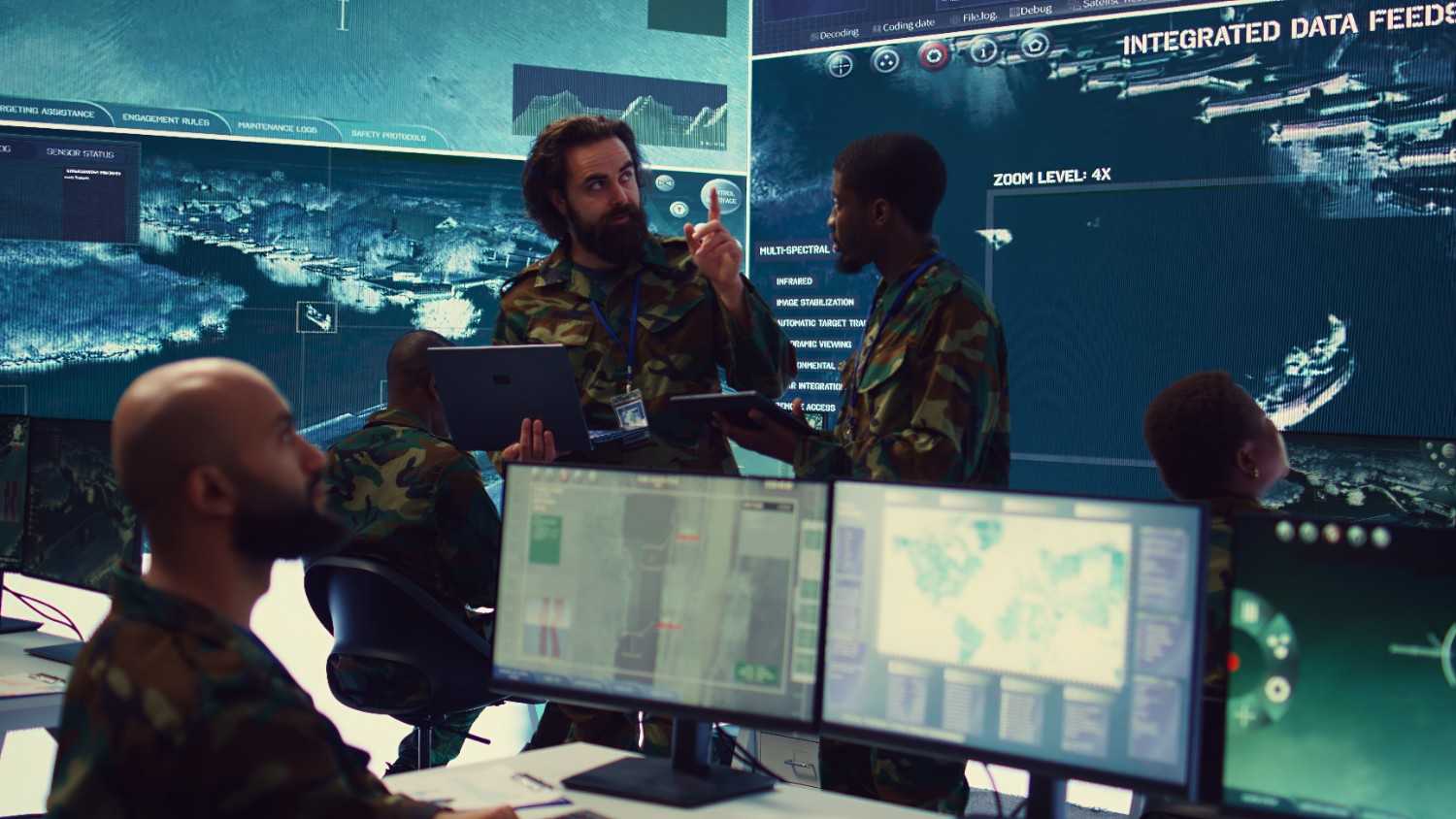
Peacekeeping and defense missions are designed without borders. Logistics, however, must operate through them.
Equipment moves across jurisdictions where regulations change with little notice. Cargo reaches regions where port congestion, weak inland infrastructure, and volatile security conditions are part of daily reality. In these environments, readiness is not defined by intent, funding, or mandate. It is defined by whether logistics holds.
This is where project logistics becomes mission critical.
For more than two decades, Triton Logistics & Maritime has supported cross-border movements for peacekeeping, defense, and renewable infrastructure projects where failure is not an option and improvisation is not a plan. Borderless readiness is not a phrase. It is a capability built through discipline, governance, and precision.
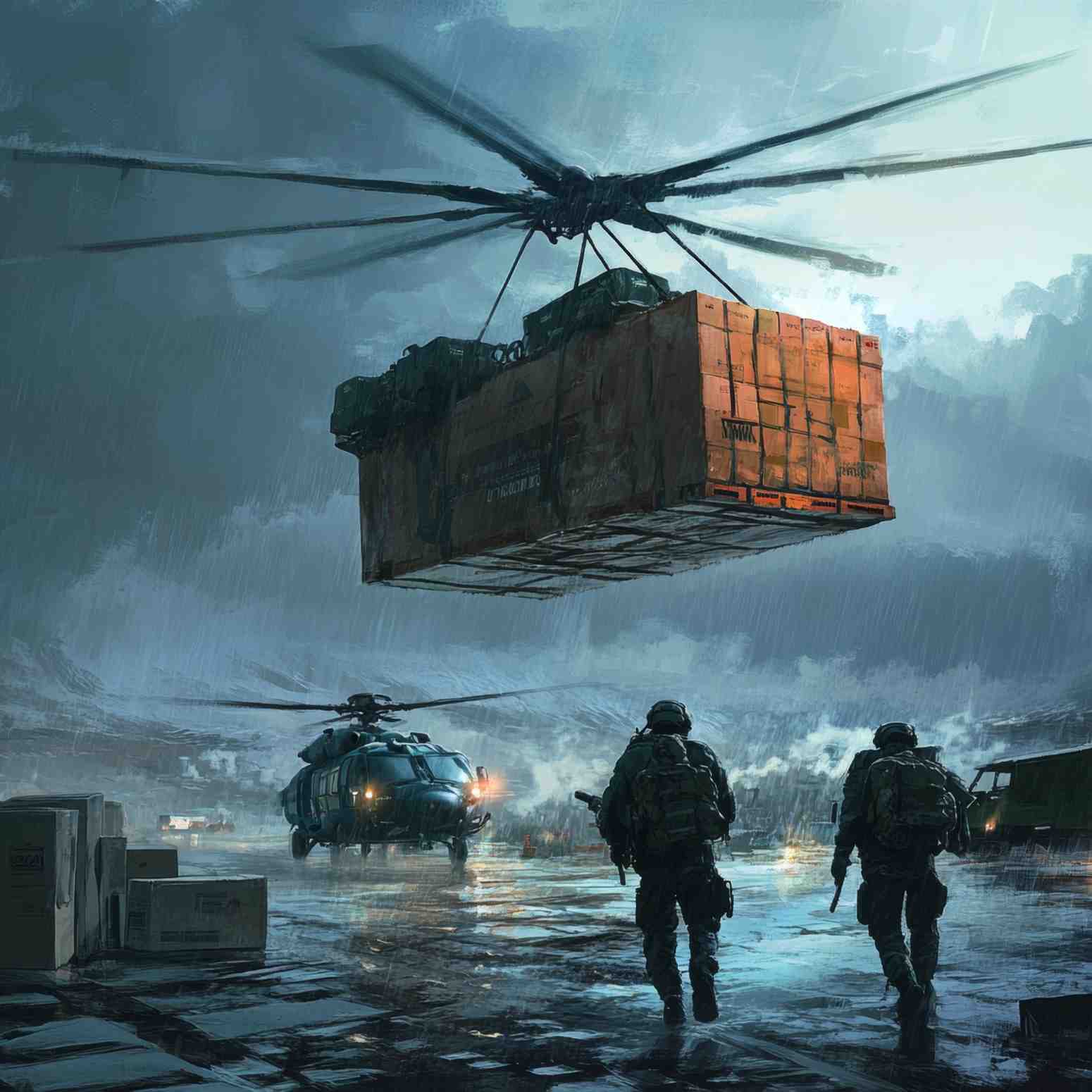
Why Peacekeeping Logistics Is Fundamentally Different
Peacekeeping and defense logistics operate under constraints that commercial supply chains rarely face.
Cargo is time-bound, security-sensitive, and often non-substitutable. Destination infrastructure may be temporary or fragile. Regulatory approvals span multiple sovereign authorities. Equipment ranges from communication systems and power units to armored vehicles and renewable energy installations.
In this context, a delayed shipment is not an inconvenience. It can stall deployment, weaken operational capability, or compromise personnel safety.
This is why logistics for peacekeeping and defense cannot be transactional. It must be engineered.
Project logistics frameworks bring structure to this complexity. Movements are planned as integrated corridors combining sea freight, airlift, inland transport, temporary storage, and controlled last-mile delivery. Each phase is sequenced, risk-assessed, and governed under a single operational plan. That integration is what sustains mission continuity.
Freight Forwarders as Operational Architects
In high-risk logistics environments, freight forwarders are not intermediaries. They are system architects.
Their role extends across route engineering, carrier selection, customs strategy, documentation control, and contingency planning. The objective is not speed alone, but lawful, secure, and traceable movement.
Defense and peacekeeping logistics require strict management of export controls, port security protocols, customs pre-clearance, and chain-of-custody integrity. This demands coordination with shipping lines, air carriers, port authorities, customs officials, and inland transport providers across regions with limited infrastructure and shifting ground conditions.
At Triton, freight forwarding operates as part of a broader project logistics mandate. Transport plans are designed around vessel compatibility, load sequencing, handling constraints, and security considerations. Visibility systems track movement milestones, while escalation protocols allow rerouting or intervention when conditions change.
This orchestration enables cross-border movement without operational blind spots.
India’s Expanding Strategic Logistics Role
Peacekeeping at Scale
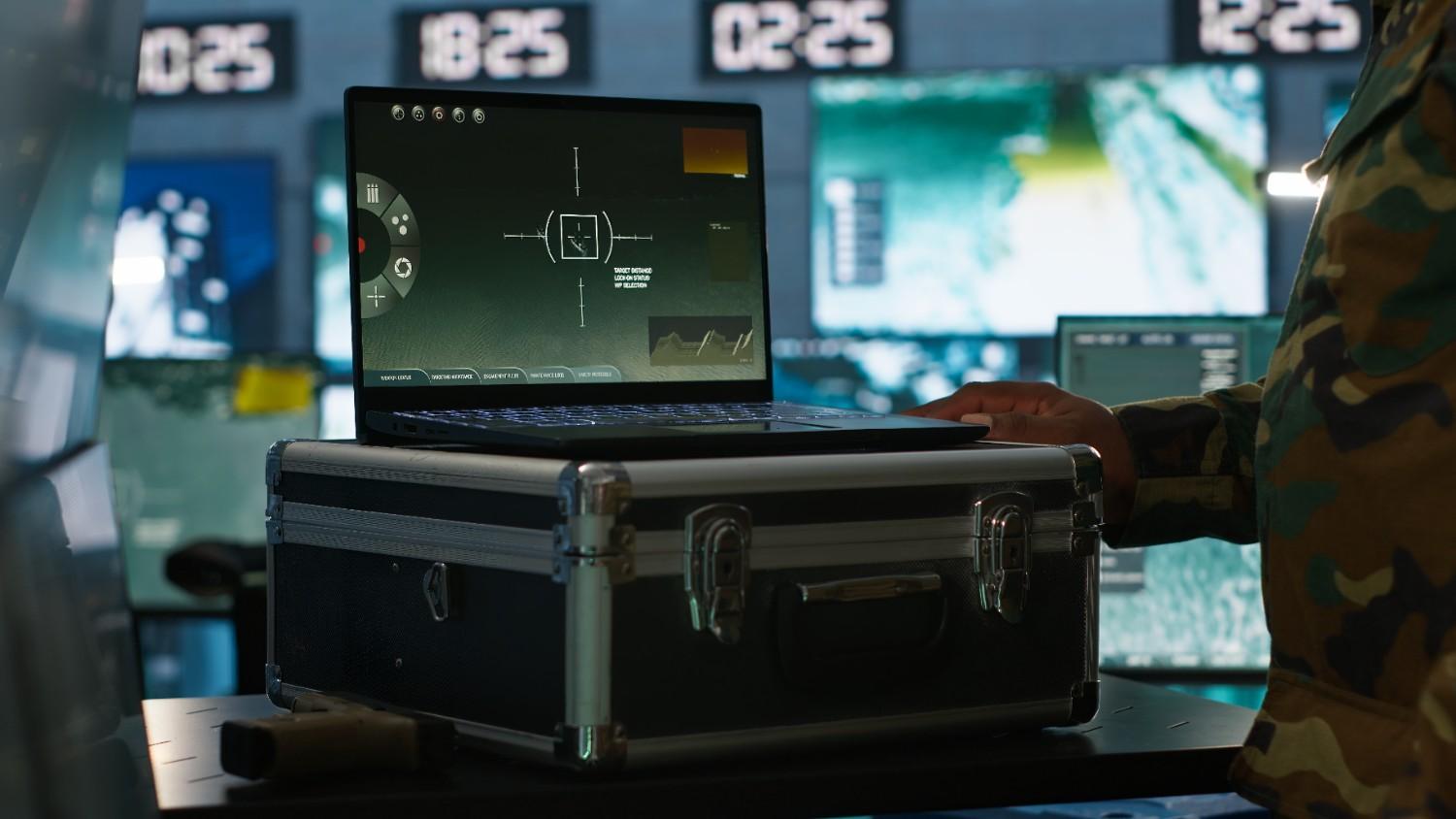
India remains one of the largest contributors to UN peacekeeping, with over 2,90,000 personnel deployed across more than 50 missions to date. Supporting this footprint requires logistics systems capable of sustaining long-distance operations across diverse climatic, regulatory, and security environments.
Behind every deployment is a logistics backbone moving vehicles, power systems, medical equipment, rations, and communications infrastructure. Project logistics ensures these movements remain synchronized, compliant, and responsive to on-ground realities.
Defense and Infrastructure Readiness
India’s defense logistics market is projected to grow from USD 11.9 billion in 2024 to nearly USD 19 billion by 2030. This growth reflects a shift in mindset. Logistics is no longer a support function. It is a strategic capability.
Triton supports this shift through specialized project logistics and freight forwarding services for defense, aerospace, and renewable infrastructure. Oversized and high-value cargo moves under multi-jurisdictional compliance frameworks, ensuring secure execution from origin to deployment point.
As a certified Multimodal Transport Operator and a member of FIATA and FFFAI, with registrations under the Federal Maritime Commission and Advance Manifest System, Triton operates under internationally recognized standards that reinforce compliance, transparency, and cargo accountability.
How Borderless Readiness Is Built
Network design for high-risk environments
Project logistics begins long before cargo is loaded. Triton’s presence across India, Dubai, Singapore, Malaysia, Taiwan, and the United States enables resilient network design with alternative routing options, port access flexibility, and local execution support. This depth allows rapid response when routes close or conditions deteriorate.
Multimodal and heavy cargo engineering
Project logistics is technical by nature. Load studies, route surveys, vessel selection, handling methodology, and inland transport engineering are integral to execution. Oversized and heavy-lift cargo is managed through tightly controlled multimodal plans that balance safety, cost, and reliability without compromising compliance.
Technology-driven control
Visibility is non-negotiable in mission logistics. Real-time tracking systems provide continuous status across transport modes. IoT-enabled sensors monitor location and condition, while analytics support proactive decision-making before disruptions escalate.
Compliance and governance
Defense and peacekeeping cargo operates under strict regulatory oversight. Triton’s compliance framework emphasizes documentation accuracy, chain-of-custody integrity, and adherence to national and international regulations. Governance protects not only the cargo, but the mission itself.
Sustainability with operational discipline
Sustainability in logistics is not about statements. It is about execution choices. Route optimization, modal selection, and load consolidation directly reduce emissions and fuel consumption. As peacekeeping and renewable missions increasingly align with sustainability goals, logistics must deliver cleaner operations without sacrificing reliability.
Project Logistics in Action
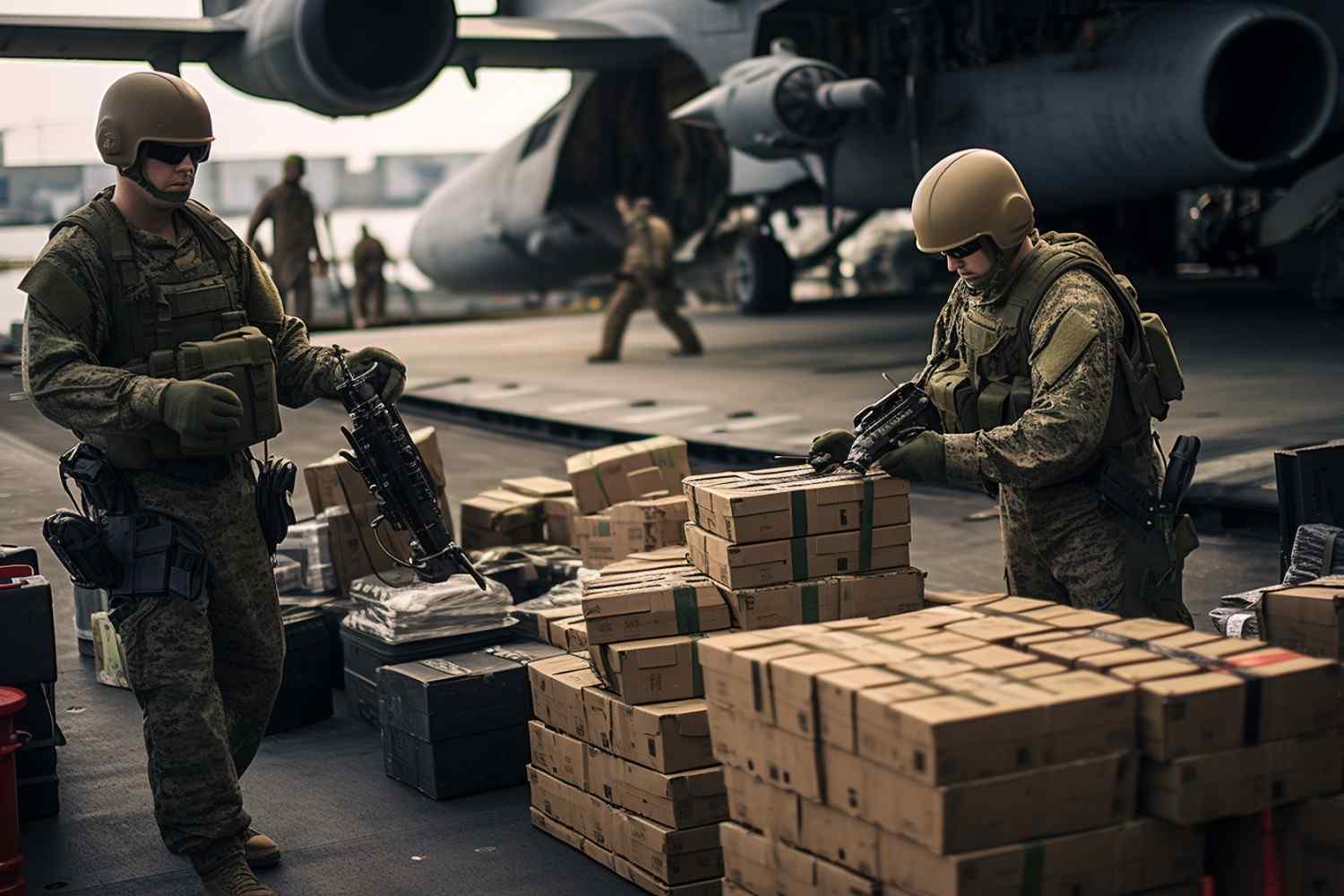
Consider a peacekeeping deployment from India to East Africa supporting renewable microgrid development. Cargo includes solar modules, power systems, fuel units, and humanitarian supplies.
Execution begins with sea freight planning from Indian ports aligned with destination handling capabilities. Inland routes are engineered based on terrain and security conditions. Customs clearances are coordinated in advance. Temporary warehousing is established near deployment zones. Deliveries are monitored in real time until final handover.
This is project logistics in practice. Structured. Controlled. Accountable at every stage.
Value Beyond the Mission
High-capability logistics ecosystems create national value. India’s logistics sector contributes close to 5 percent of GDP and employs over 22 million people. Advanced project logistics strengthens this ecosystem by building specialized skills, attracting international collaboration, and positioning India as a reliable global logistics partner.
By supporting peacekeeping, defense, and renewable infrastructure, logistics becomes an enabler of stability, growth, and global trust.
Delivering Borderless Readiness
Peacekeeping and defense operations succeed when logistics works quietly and flawlessly in the background. As missions expand and infrastructure projects grow more complex, the need for integrated project logistics will only increase.
At Triton Logistics & Maritime, borderless readiness is not a promise. It is a capability built through planning, governed through compliance, and proven through execution.
That is how missions stay operational.
And that is what project logistics truly delivers.