
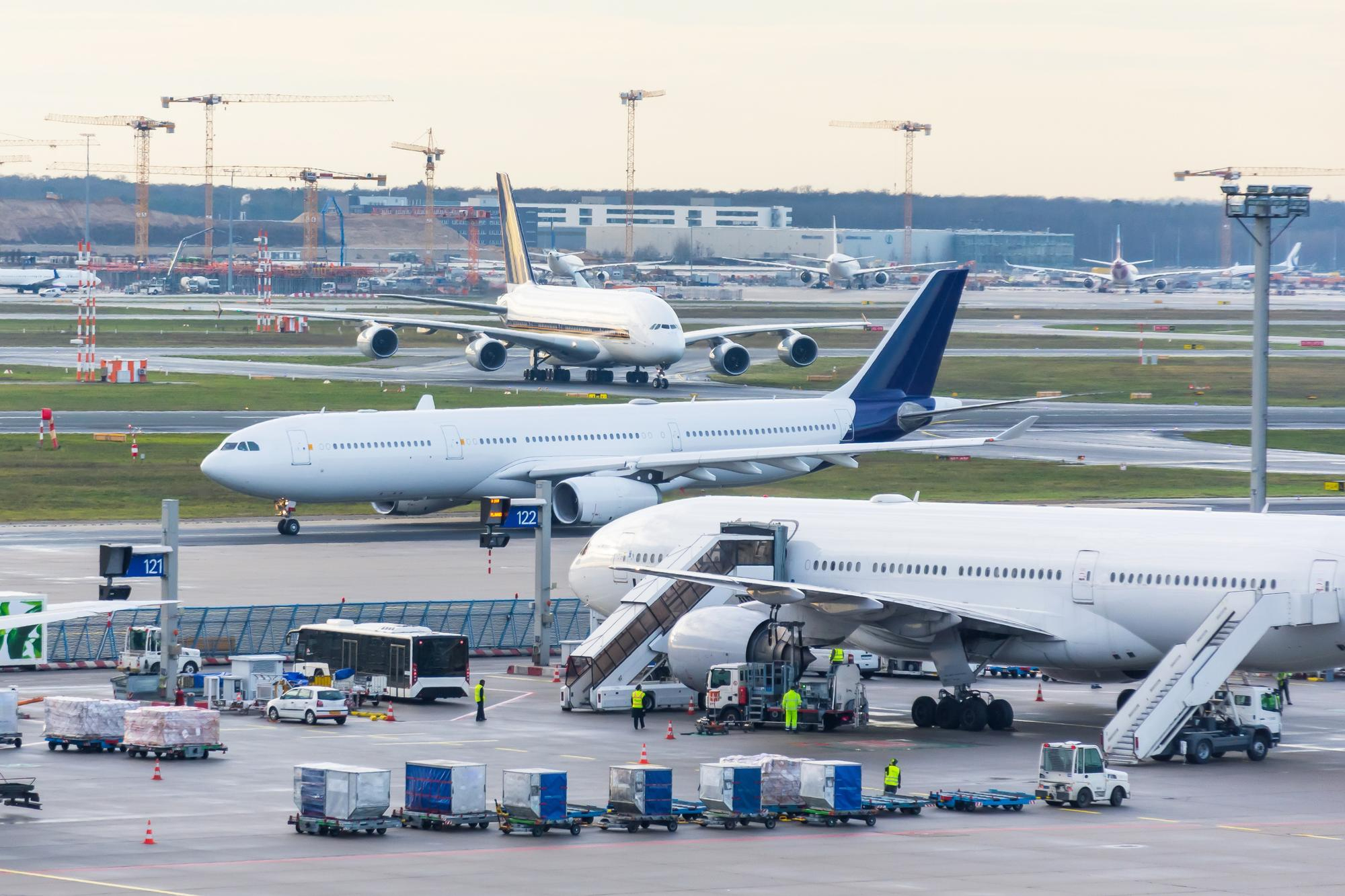
When people think of aviation, they usually think of passengers. Airports, boarding gates, business travel, holidays. But behind the scenes, another world is operating every hour with extraordinary precision.
That world is air cargo management.
Every day, aircraft carry medicines, semiconductors, perishables, e-commerce parcels, automotive parts, and emergency supplies across borders. When factories need critical components or hospitals need life-saving products urgently, air cargo becomes essential.
As of April 2026, the conversation around logistics, freight forwarding, ESG, and the environment has made air cargo management more strategic than ever. It is no longer just about speed. It is about resilience, visibility, sustainability, and trust.
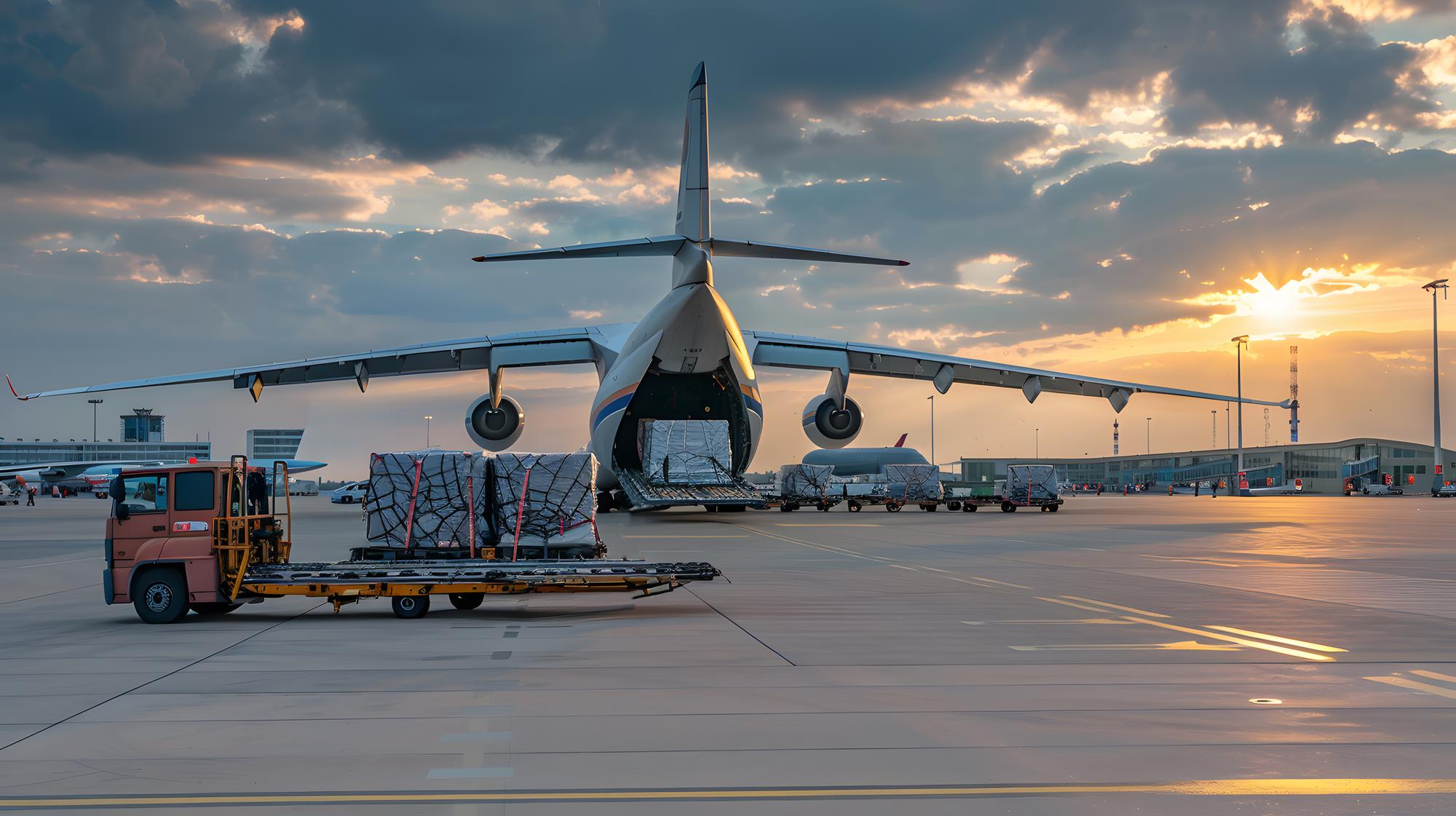
Why Air Cargo Matters More Than Most People Realize ?
According to the International Air Transport Association (IATA), air cargo carries around 35% of global trade by value, even though it represents a small share by volume. That means many of the world’s highest-value and most time-sensitive goods depend on aviation.
Think about what travels by air:
- Vaccines and pharmaceuticals
- Electronics and chips
- Luxury retail products
- Urgent manufacturing components
- Fresh flowers, seafood, perishables
- Humanitarian aid and relief cargo
This is why smart air cargo management can directly influence national economies, healthcare systems, and business continuity.
What Air Cargo Management Actually Means
Many assume cargo is simply loaded onto aircraft and flown. In reality, the system is highly complex.
Air cargo management includes:
- Capacity planning
- Cargo booking and documentation
- Customs compliance
- Security screening
- Temperature-controlled handling
- ULD container planning
- Flight routing and transfer coordination
- Last-mile delivery after arrival
- Risk management and insurance
This is where expert freight forwarding partners create value. They connect shippers, airlines, airports, customs, warehouses, and final delivery networks into one functioning chain.
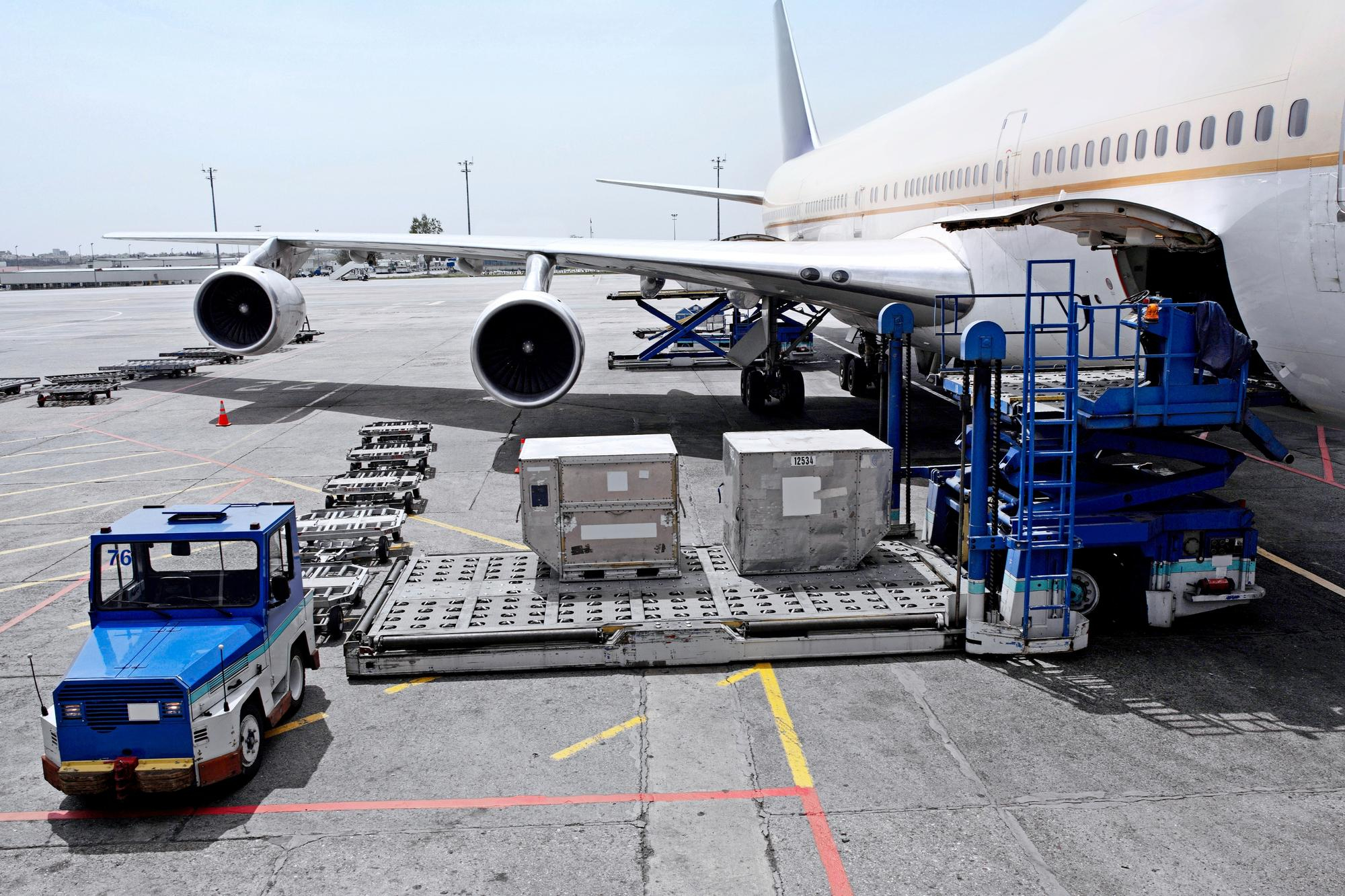
Case Study 1: Pharmaceutical Shipment with No Margin for Error
A biotech company in Europe needs temperature-sensitive medicines delivered to Asia within 36 hours.
Behind the scenes, the cargo plan includes:
- Qualified cold-chain packaging
- Real-time temperature sensors
- Priority uplift booking
- Customs pre-clearance
- Dedicated trucking at destination
- Backup flight contingency
If the temperature drifts, the shipment can lose value instantly.
This is not transportation. It is precision logistics.
Case Study 2: Auto Factory Avoids Shutdown
A car plant runs short of a critical electronic component. Ocean freight would take weeks. Production lines risk stopping.
Solution: urgent air cargo.
A strong freight forwarding partner arranges same-day uplift, customs documentation, and airport-to-factory delivery.
The cost of air freight may be high, but lower than shutting down production for even one day.
That is the real economics of air cargo management.
Case Study 3: Disaster Relief and Human Impact
After floods or earthquakes, roads may be blocked and sea freight too slow. Air cargo becomes the fastest route for:
- Medical kits
- Water purification systems
- Tents and shelter supplies
- Communication equipment
- Food aid
Governments and humanitarian agencies rely on air logistics when lives depend on hours, not weeks.
The ESG Challenge in Air Cargo
Here’s the honest tension: air cargo is fast, but aviation has a carbon footprint. That means the future of cargo aviation must balance speed with sustainability.
This is where ESG becomes critical.
Leading operators in 2026 are investing in:
- Sustainable Aviation Fuel (SAF)
- Better route optimization
- Higher load factors
- Electric ground handling equipment
- Paperless documentation
- Carbon reporting tools
- Smarter packaging to reduce weight
Governments across Europe, North America, and Asia are also pushing cleaner aviation frameworks and emissions targets.
The goal is not to eliminate air cargo. It is to make essential air cargo smarter and cleaner.
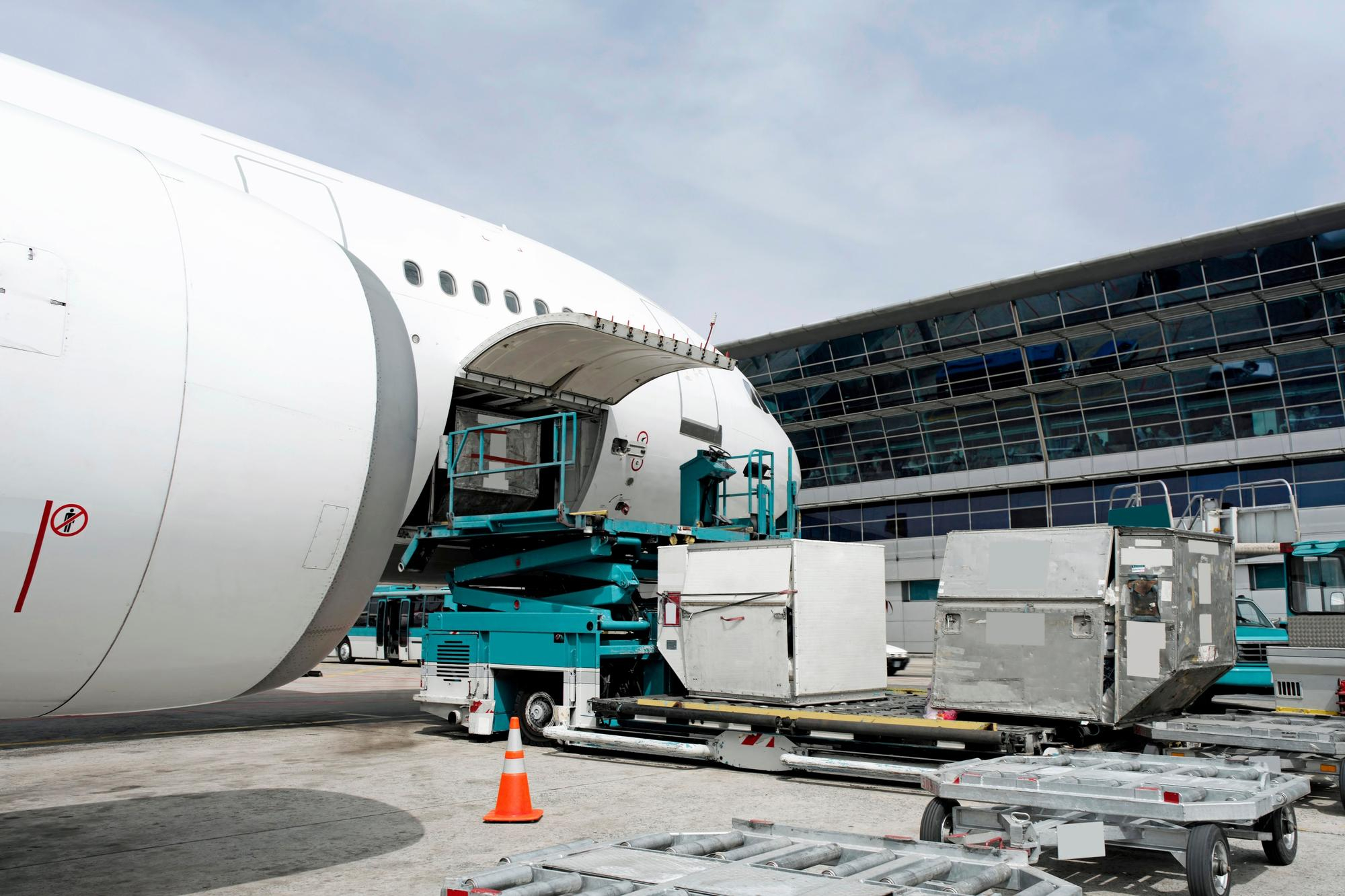
Technology Is Reshaping Air Cargo
Modern air cargo management now depends on data.
Top logistics companies use:
- Live shipment visibility dashboards
- AI demand forecasting
- Dynamic pricing models
- Customs automation
- Predictive delay alerts
- Warehouse robotics
- Smart sensors for temperature and shock monitoring
This reduces waste, improves customer trust, and protects margins.
What Businesses Should Ask in 2026
If your company ships internationally, ask these questions:
- Is air freight truly necessary or just habitual?
- Can the cargo be consolidated better?
- Does my freight forwarding partner provide visibility?
- Are ESG metrics being tracked?
- What is the cost of delay versus air freight cost?
Smart supply chains do not choose the cheapest mode blindly. They choose the right mode strategically.
Human Side of Air Cargo
Most consumers never think about air cargo when they receive a laptop, medicine, or urgent spare part.
But somewhere, people coordinated that movement overnight:
- Warehouse teams built the shipment
- Documentation teams cleared compliance
- Airport handlers loaded cargo safely
- Pilots flew through time zones
- Ground teams delivered it onward
Behind every urgent shipment is human effort under pressure.

Final Thoughts
Air cargo management sits at the center of modern trade. It supports healthcare, manufacturing, retail, and emergency response. It is one of the fastest forms of global logistics, powered by planning, data, and disciplined execution.
The future belongs to companies that use air freight intelligently, partner with strong freight forwarding experts, and align speed with ESG responsibility.
Because in today’s world, moving fast is valuable.
Moving fast with purpose is leadership.
FAQs
1. What is air cargo management in logistics?
Air cargo management is the planning, handling, movement, tracking, and delivery of goods transported by aircraft. It includes booking space, customs clearance, warehousing, security checks, and final-mile delivery within the global logistics chain.
2. Why is air cargo important for global trade in 2026?
Air cargo remains critical because it moves high-value, urgent, and time-sensitive goods such as medicines, electronics, automotive parts, perishables, and e-commerce shipments faster than other transport modes.
3. How does freight forwarding help air cargo shipments?
Freight forwarding helps by coordinating airlines, customs documentation, cargo packaging, route planning, insurance, warehousing, and destination delivery. It simplifies complex international air shipments for businesses.
4. What are the ESG challenges in air cargo management?
Key ESG challenges include carbon emissions, fuel consumption, packaging waste, and airport ground pollution. Companies are responding with sustainable aviation fuel, route optimization, paperless systems, and cleaner handling equipment.
5. When should businesses choose air cargo instead of sea freight?
Businesses should choose air cargo when shipments are urgent, high-value, temperature-sensitive, or critical to production schedules. Sea freight is often better for bulk cargo, while air cargo is best when speed matters most.