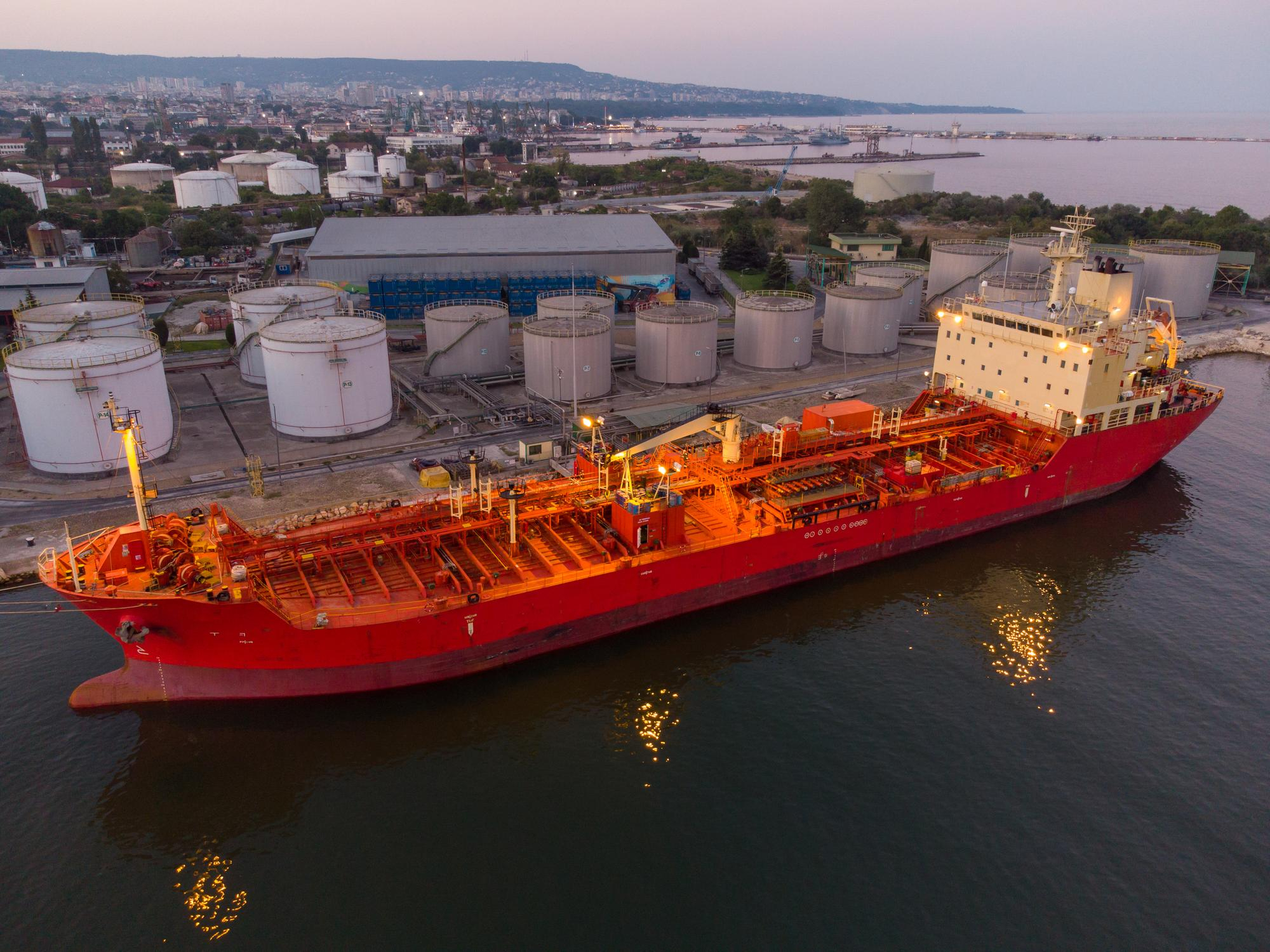
When people see an oil tanker cargo ship crossing the ocean, the first reaction is usually the same: How much oil does that giant vessel actually carry? It is a fair question. These ships are among the largest moving machines on earth, and they quietly power global trade every single day.
From fueling cities to supporting industries, oil tankers play a major role in the world economy. But behind the steel hull and massive scale lies a detailed system of maritime, safety planning, cargo science, and global logistics coordination.
Let’s break it down in a simple way.
How Many Oil Barrels Can a Tanker Hold?
The answer depends on the size of the tanker. Oil tankers are built in different categories based on cargo capacity.
Common Oil Tanker Sizes
| Tanker Type | Approximate Capacity | Estimated Oil Barrels |
| Handy Tanker | 10,000 to 40,000 DWT | 80,000 to 300,000 barrels |
| MR Tanker (Medium Range) | 40,000 to 55,000 DWT | 300,000 to 450,000 barrels |
| Aframax | 80,000 to 120,000 DWT | 500,000 to 800,000 barrels |
| Suezmax | 120,000 to 200,000 DWT | 1 million barrels |
| VLCC (Very Large Crude Carrier) | 200,000 to 320,000 DWT | 1.8 to 2.2 million barrels |
| ULCC (Ultra Large Crude Carrier) | 320,000+ DWT | Up to 3 million barrels |
A VLCC is one of the most commonly used large crude carriers in global trade. To put it simply, one ship can carry enough oil to meet the daily needs of smaller nations.
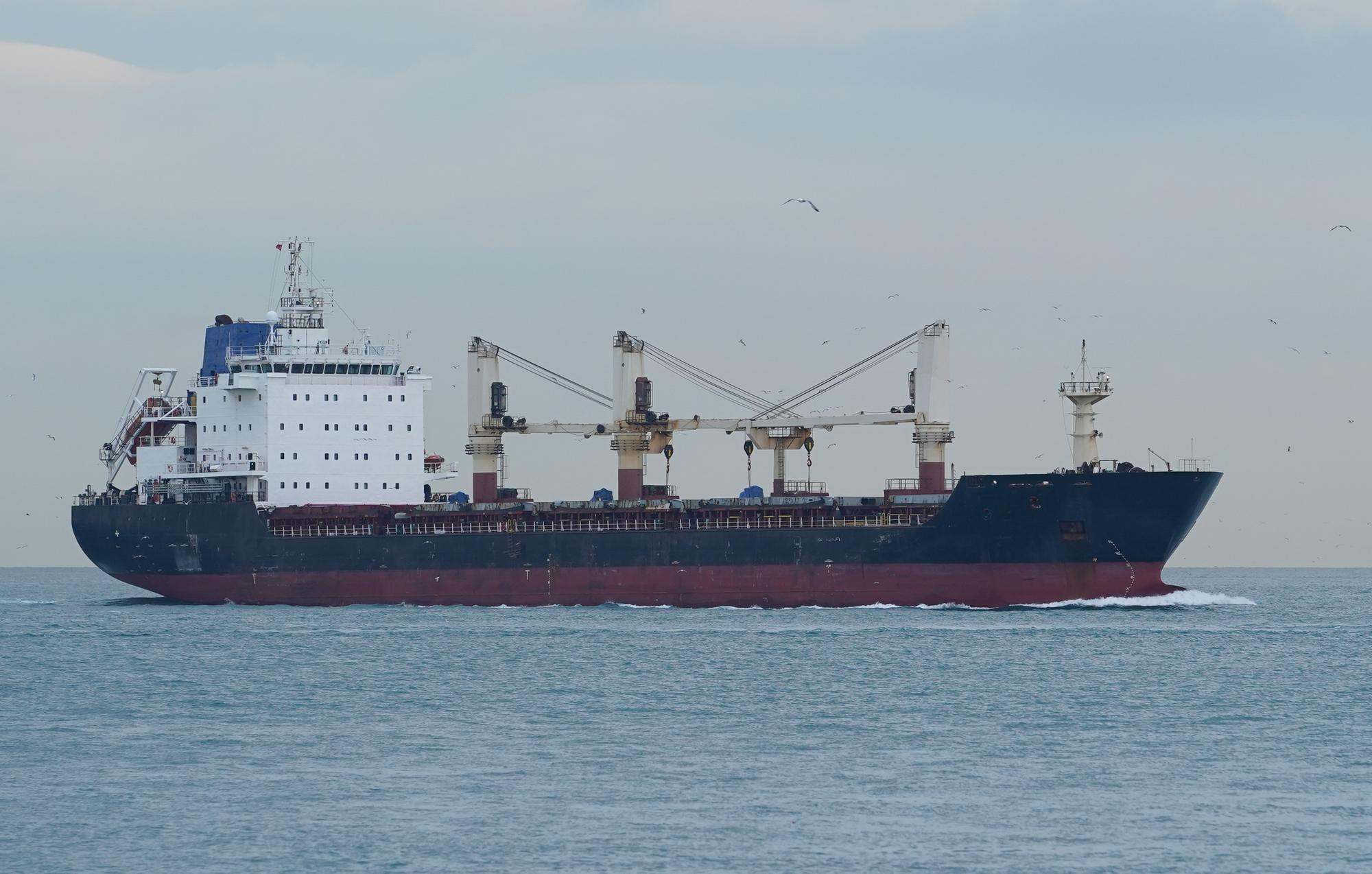
Why Tanker Size Matters
Choosing a tanker is not only about volume. It is about route efficiency, port access, fuel cost, insurance, and unloading capability.
For example:
- A VLCC is cost-efficient for long-distance crude movement
- An Aframax is better for regional routes and smaller ports
- MR tankers are ideal for refined products like diesel or jet fuel
This is where smart freight forwarding and maritime planning become critical. Cargo owners must choose the right vessel, right route, and right timing.
Behind the Scenes: How Oil Actually Moves
Most people imagine oil being pumped into a ship and then delivered. In reality, the process is much more complex.
It includes:
- Terminal slot bookings
- Vessel inspections
- Safety approvals
- Cargo heating requirements for certain oils
- Weather routing
- Port congestion planning
- Insurance compliance
- Customs and documentation
- Final discharge scheduling
That is why oil transport is one of the most specialized parts of global logistics.
Case Study 1: Middle East to Asia Crude Shipment
A refinery in Asia needs 2 million barrels of crude oil. A VLCC is chartered from the Middle East.
What happens behind the scenes?
- Cargo loading windows are booked at terminal
- Weather route is monitored through the Indian Ocean
- Insurance documents are approved before sailing
- Arrival slot is aligned with refinery storage tanks
- Delay penalties are managed carefully
If timing fails, refinery operations can slow down. One late tanker can impact fuel supply chains.
Case Study 2: Smaller Port, Smarter Vessel Choice
A country with limited port depth cannot receive a VLCC. Instead, it uses an Aframax tanker carrying smaller volumes more frequently.
This may seem less efficient, but it avoids port limitations and faster turnaround time.
That is what good logistics looks like. It is not always about biggest capacity. It is about best fit.
Case Study 3: Renewable Logistics Changing the Future
As global energy shifts, many shipping companies are investing in renewable logistics strategies.
This includes:
- Biofuel-powered tankers
- Cleaner marine fuels
- Route optimization to reduce emissions
- Shore power systems at ports
- Dual-fuel engines using LNG or methanol
Some operators are even repurposing expertise from oil transport into renewable cargo movement like biofuels and chemical feedstocks.
The future of maritime trade is not oil versus renewables. It is both evolving together.
How Freight Forwarding Supports Oil Cargo
Many assume freight forwarding only applies to containers. That is not true.
For tanker trade, forwarding and cargo management teams help with:
- Charter coordination
- Port agency support
- Customs paperwork
- Documentation flow
- Storage transfers
- Multi-modal inland delivery after discharge
- Risk planning across regions
In high-value cargo movement, coordination matters as much as transportation.
What Businesses Can Learn from Tanker Logistics
Oil shipping teaches valuable lessons for every industry:
Plan Capacity Carefully
Bigger is not always better. Right-sizing wins.
Timing Is Money
Late cargo creates financial pressure fast.
Visibility Reduces Risk
Track route, weather, and port status constantly.
Sustainability Is Rising
Renewable logistics is now a business priority, not a side topic.
Experts Matter
Strong maritime and forwarding partners reduce costly mistakes.
Final Thoughts
So, how much oil does a tanker hold?
Depending on the vessel, anywhere from 80,000 barrels to 3 million barrels.
But the bigger story is not just capacity. It is the invisible network of people, planning, compliance, and maritime logistics that keeps energy moving across the world.
When you see an oil tanker at sea, remember this: it is not just carrying cargo. It is carrying economies, industries, and the next chapter of global energy trade.
FAQ
1. How many barrels of oil can a tanker ship carry?
An oil tanker ship can carry anywhere from 80,000 barrels to 3 million barrels, depending on its size. Smaller tankers handle regional deliveries, while VLCC and ULCC vessels move massive crude cargo across continents.
2. What is the largest type of oil tanker cargo ship?
The largest type is the ULCC (Ultra Large Crude Carrier). These ships can hold up to 3 million barrels of oil, making them some of the biggest cargo vessels ever built.
3. How long does it take an oil tanker to deliver cargo internationally?
Delivery time depends on route and weather. A tanker moving crude from the Middle East to Asia may take around 2 to 3 weeks, while longer global routes can take more time due to port schedules and sea conditions.
4. How does freight forwarding help oil tanker shipments?
Freight forwarding supports tanker cargo through documentation, customs handling, charter coordination, storage planning, and inland delivery after discharge. It helps keep high-value oil shipments moving smoothly.
5. What is renewable logistics in oil shipping?
Renewable logistics refers to cleaner and smarter transport practices such as biofuel-powered vessels, low-emission marine fuels, route optimization, and shipping solutions for renewable energy cargo like biofuels and sustainable chemicals.