
Every year, the Indian Premier League grows bigger, faster, louder, and more demanding. IPL 2026 is expected to be no different. Stadiums will be full, television audiences will cross millions, and teams will move rapidly from one city to another under intense schedules. Fans will focus on batting lineups, bowling changes, and playoff equations. But behind every match sits another competition few people ever notice: the race to manage operations flawlessly.
The truth is simple. IPL is not only a cricket tournament. It is also one of the most complex short-term logistics operations in India. For nearly two months, multiple cities must function like a synchronized network. Teams, staff, equipment, sponsors, broadcasters, security units, hospitality vendors, and merchandise suppliers all move at speed. If one part slows down, the impact can be immediate.
That is why IPL 2026 offers a fascinating example of modern freight forwarding, operational planning, and smart execution.

Why IPL Requires World-Class Logistics
Unlike a normal sports league with weekly fixtures and long gaps, IPL operates on compressed timelines. Teams may finish one match late at night and need to travel for another within days. Venues often host back-to-back games. Broadcast crews need setup time. Sponsors need visibility. Hospitality zones must be ready: Team kits, training gear, bats, helmets, pads, apparel, the day before gates open.
Now multiply that across several cities.
This creates a high-pressure environment where movement, timing, and coordination become just as important as talent on the field. A delayed cargo truck, a missing kit bag, or a late equipment arrival can create disruption quickly.
For this reason, successful IPL execution depends on precision-led logistics management.
What Actually Moves During IPL?
Most people think only players and coaches travel. In reality, the volume of movement is enormous.
Every season requires the transport of:
- Physiotherapy tables, recovery tools, hydration supplies
- Broadcast cameras, cables, control systems, and lighting assets
- Stadium branding panels, sponsor backdrops, and LED screens
- Hospitality materials, lounge stock, seating assets
- Practice nets, turf tools, maintenance equipment
- Security systems and communication devices
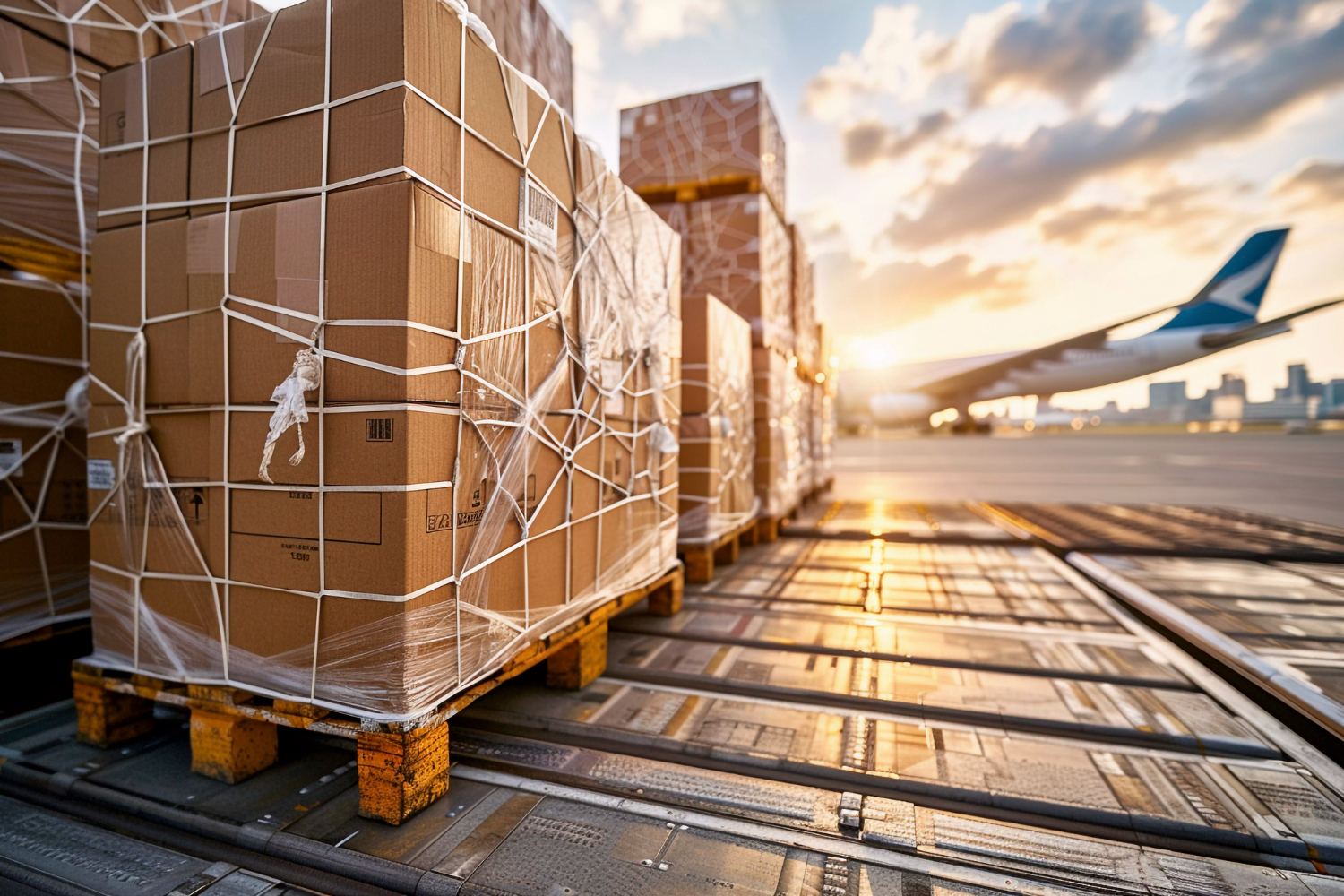
This is where professional freight forwarding teams become essential. They coordinate air cargo, road transport, warehousing, customs handling, and venue delivery windows so everything arrives exactly when required.
If Broadcast Equipment Delayed at Arrival
Imagine a media vendor importing specialty camera systems for IPL 2026 from overseas. The shipment lands late due to congestion.
Without preparation, opening production schedules could suffer.
A strong logistics strategy would already have:
- Pre-filed customs paperwork
- Priority clearance processes
- Backup local equipment options
- Dedicated trucking slots
- Split-load delivery planning
The audience would never know there was a problem. That is what great operations look like: invisible success.
Team Travel in a 48-Hour Window
A franchise plays in Mumbai, then needs to be match-ready in Chennai shortly after.
That means moving:
- Player luggage
- Analysis systems and laptops
- Nutrition supplies
- Recovery kits
- Merchandise stock
- Media materials
Flights alone are not enough. Hotels need receiving teams. Ground transport must be ready. Equipment must reach rooms and practice venues without delay. Good logistics reduces fatigue and protects performance.
Maritime Cargo Before the Season
Not everything should move by air.
Large-volume items such as staging materials, imported fan merchandise, display systems, or venue infrastructure can be planned through maritime freight before the season begins.
This gives several advantages:
- Lower transport cost
- Better planning windows
- Reduced pressure on urgent air cargo
- More efficient inventory positioning
Smart tournament planning often uses a mix of maritime and express air solutions depending on urgency and cargo type.

What Businesses Can Learn from IPL 2026
The IPL mirrors challenges many companies face in trade and supply chains.
Speed Needs Systems – Fast delivery is usually the result of planning, not last-minute heroics.
Visibility Prevents Problems – Real-time tracking helps teams respond before delays become crises.
Flexibility Wins – Routes change. Timings change. Conditions change. Adaptive operators succeed.
Partners Matter – Strong freight forwarding and logistics partners create confidence during pressure periods.
Experience Is Everything – Fans remember smooth events. Customers remember smooth deliveries.
The Hidden MVPs of IPL
When a match starts on time, branding looks perfect, teams are prepared, hospitality flows smoothly, and the live feed reaches the world, someone made that possible.
Not the captain.
Not the opener.
Not the spinner.
Operations teams did.
Their work rarely gets headlines, but without them the tournament slows down quickly.
Final Thoughts
IPL 2026 will again showcase cricket at its most exciting. But for anyone in supply chain, shipping, trade, or business operations, it also tells another story.
High-speed tournaments need high-performance logistics.
Whether moving sports equipment, industrial cargo, or retail inventory, the principle stays the same: when planning is strong, execution looks effortless. That is the real lesson behind the scenes of IPL 2026.
FAQ
1. How does logistics work during IPL 2026?
IPL 2026 logistics involves moving teams, sports equipment, broadcast systems, sponsor materials, hospitality stock, and operational assets across multiple cities on strict schedules. It requires coordinated transport, warehousing, tracking, and on-time delivery.
2. Why is freight forwarding important for IPL tournaments?
Freight forwarding is important because it helps manage domestic and international shipments such as cameras, team gear, merchandise, and technical equipment. It ensures customs clearance, route planning, and timely delivery during high-pressure tournaments like IPL 2026.
3. Does IPL use maritime shipping for operations?
Yes, maritime shipping can be used before the season begins for bulk cargo such as branding materials, seating systems, merchandise stock, and infrastructure equipment. Sea freight helps reduce costs and supports better inventory planning.
4. What can businesses learn from IPL 2026 logistics management?
Businesses can learn the importance of speed, real-time visibility, contingency planning, strong logistics partners, and smooth customer experience. IPL logistics shows how efficient execution drives success under pressure.
5. Which logistics services are most useful for large sports events like IPL?
The most useful services include freight forwarding, air cargo, maritime shipping, warehousing, customs clearance, last-mile delivery, inventory management, and real-time shipment tracking. These services keep large events running without disruption.