In project logistics, success is rarely about speed. It’s about control.
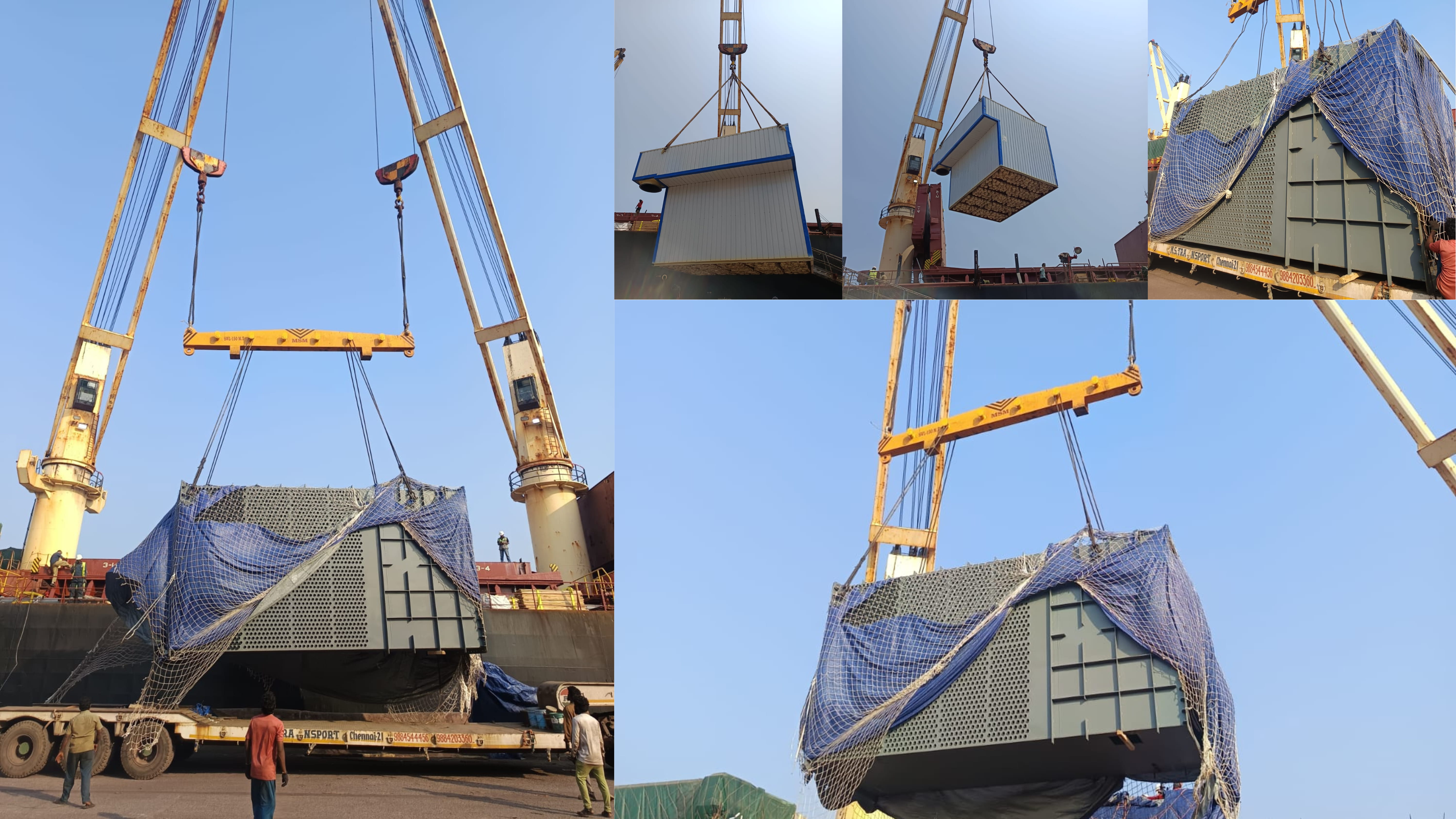
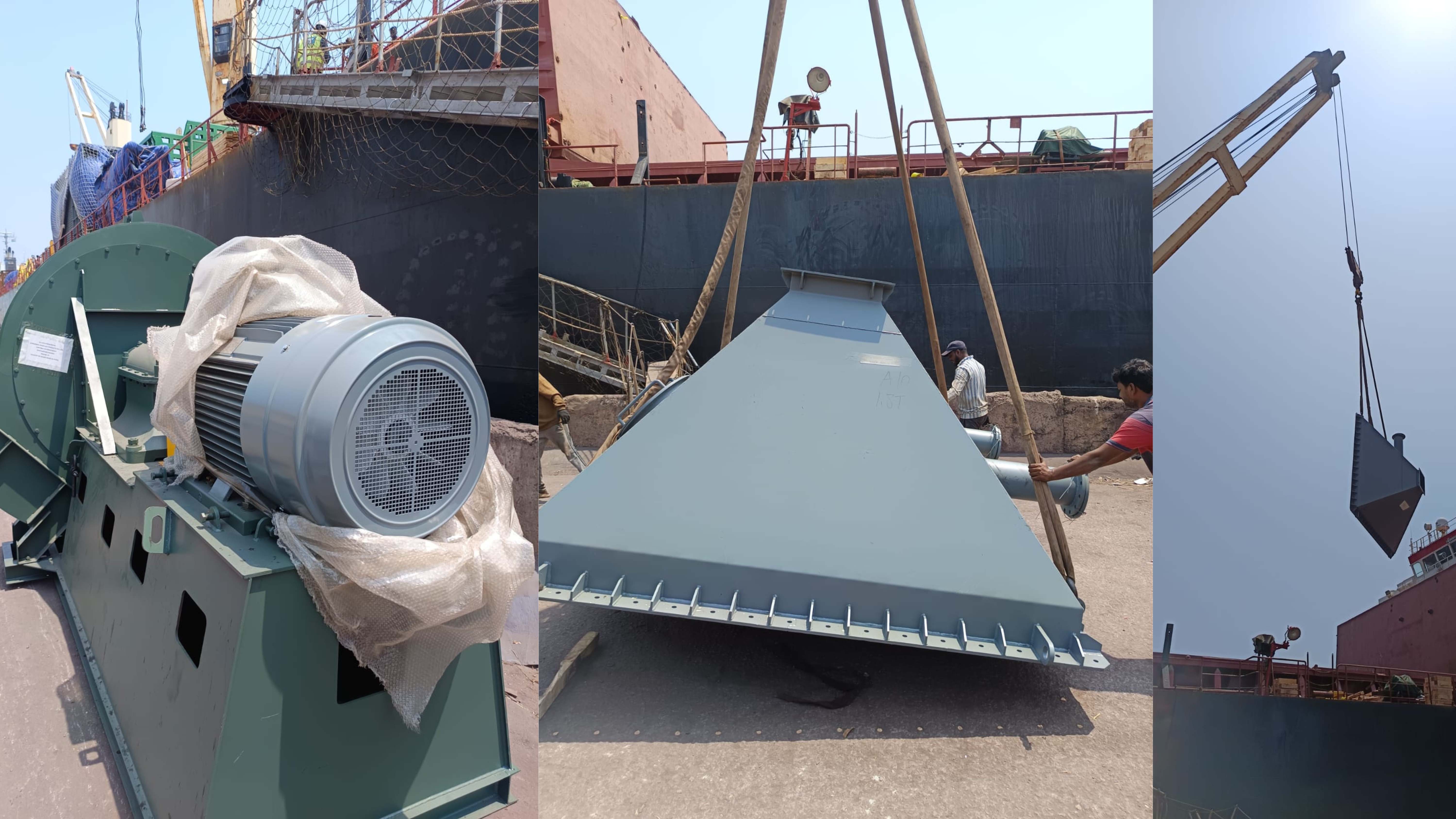
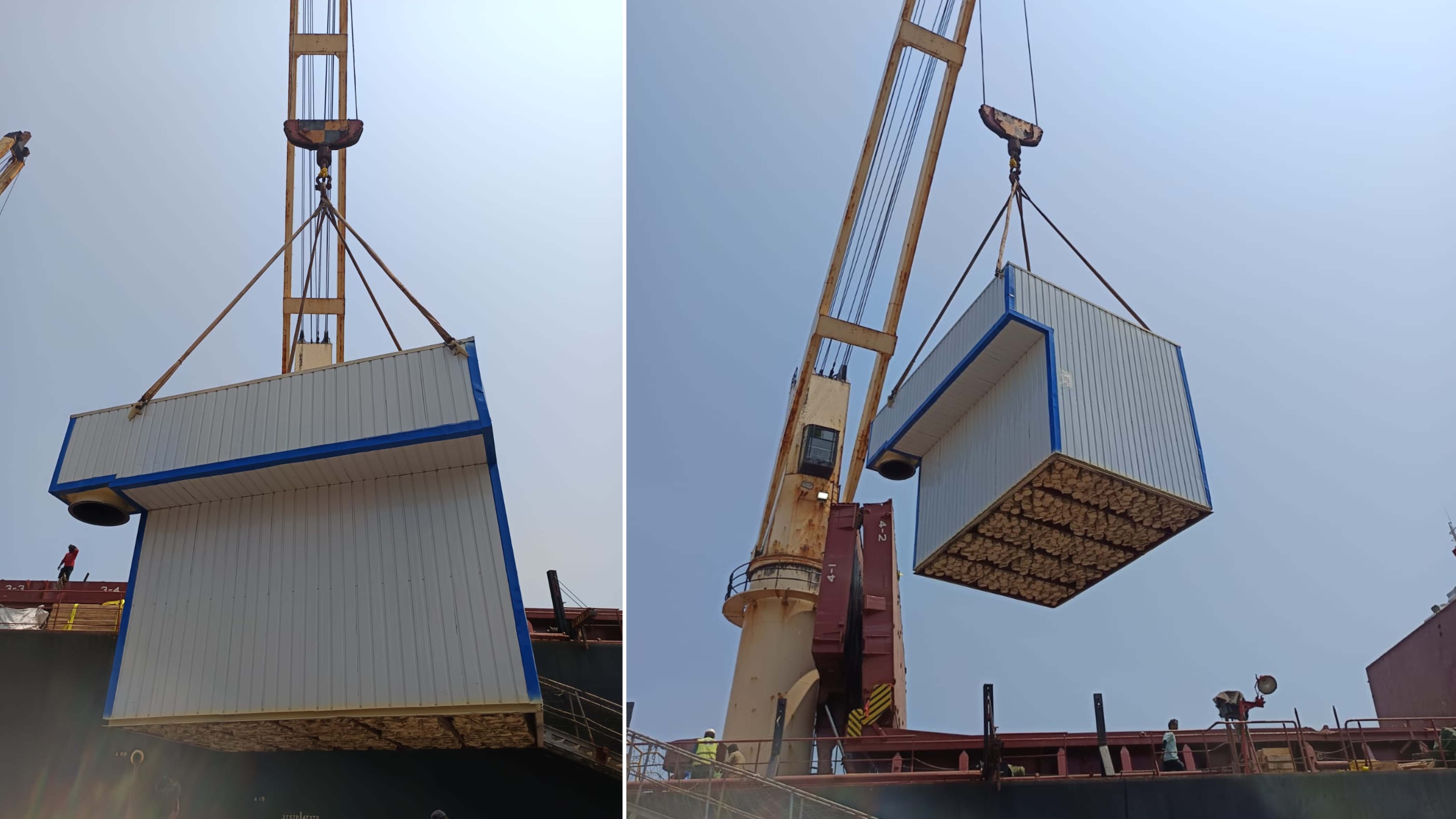
This shipment involved moving heavy moulding construction machinery from Tianjin to Chennai as part of an ongoing EPC project. The cargo measured 527 CBM across 10 units, with individual weights going up to 30 tons.
But the real story isn’t in the numbers. It’s in what could have gone wrong—and didn’t.
Where Most Breakbulk Shipments Fail
Breakbulk cargo sits outside the comfort zone of standard logistics.
There are no fixed dimensions, no container walls to rely on, and no margin for loose handling. Each unit behaves differently during lifting, stowage, and sea transit. The risks are layered:
- Imbalance during lifting can damage both cargo and equipment
- Poor lashing can lead to cargo shift mid-voyage
- Inadequate packaging exposes machinery to corrosion and impact
- Delays at destination can stall entire project timelines
In EPC movements, one weak link doesn’t stay isolated. It creates a chain reaction.
The Approach: Reducing Variables, Not Just Managing Them
Instead of treating this as a standard shipment, the focus was on reducing uncertainty at every stage.
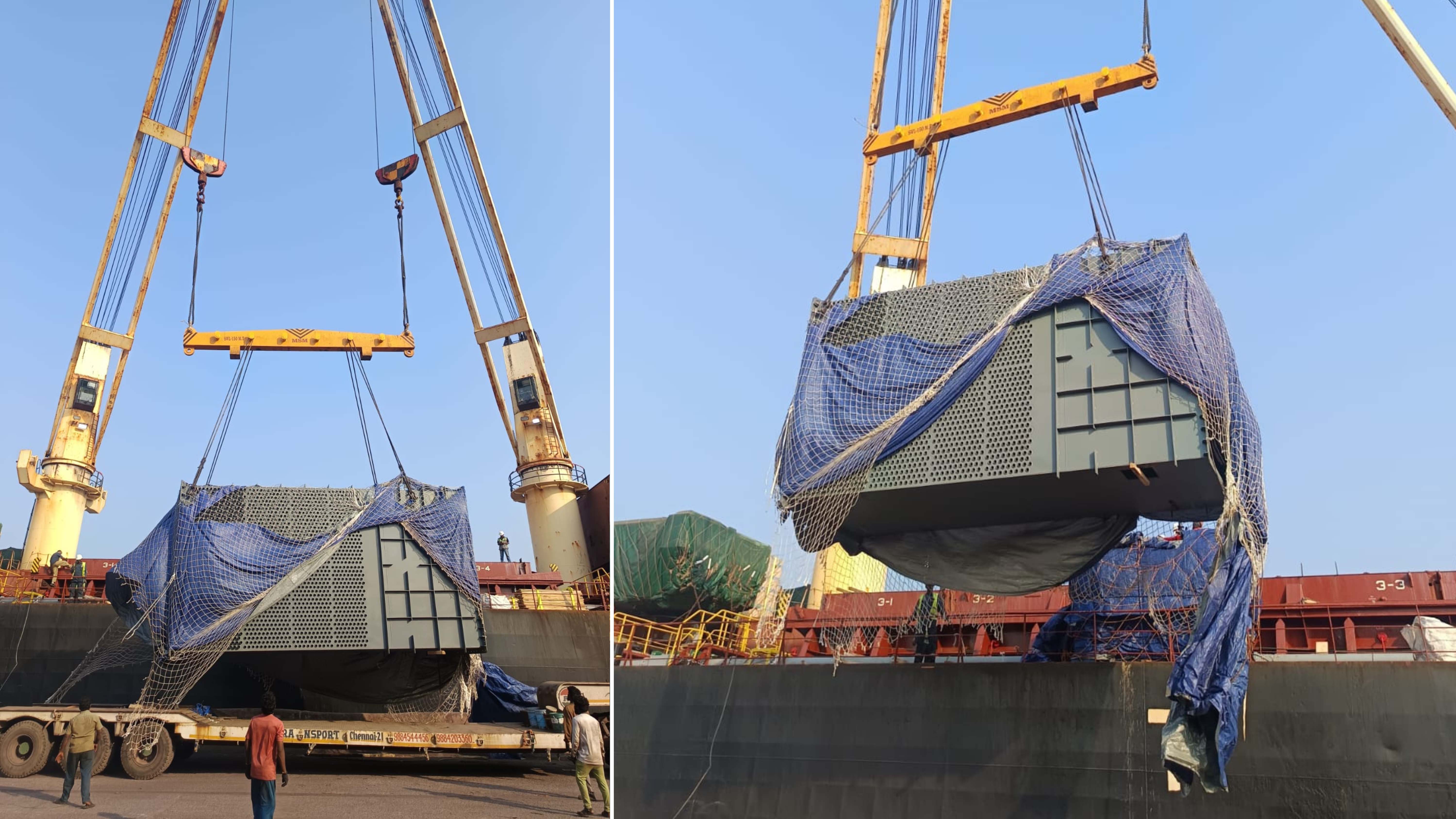
At origin, the cargo wasn’t just loaded—it was studied. Each unit’s weight distribution, lifting points, and base stability were assessed before planning the lift. This ensured that crane operations were predictable, not reactive.
Stowage planning played a critical role. Positioning the cargo on the vessel wasn’t just about space optimization, but about how it would behave during sea conditions. Securing methods were selected accordingly, factoring in movement, pressure points, and long transit exposure.
Packaging as a Risk Control Tool
One of the most underestimated aspects in project cargo is packaging.
For this shipment, packaging decisions were treated as a risk mitigation layer, not an afterthought. The machinery was supported with reinforced base structures, wooden blocking, and protective coverings to manage moisture exposure.
Sea freight, especially for breakbulk, introduces constant motion and environmental stress. Packaging is what absorbs that stress before the cargo does.
Coordination Across Touchpoints
A shipment like this doesn’t depend on one team. It depends on alignment across all of them.
From shipper readiness at origin to vessel coordination, from documentation handling to destination clearance—every step required timing to be precise.
At destination, the focus shifted quickly. Port handling, customs clearance, and discharge planning were executed in sync to avoid idle time. In project cargo, delays don’t just increase cost—they disrupt execution schedules on ground.
The Result
The cargo was discharged at Chennai without damage and cleared without delays.
No escalations. No last-minute surprises.
And that’s exactly the point.
Why This Matters
In logistics, visible success is often dramatic—rescues, recoveries, crisis management.
But real reliability looks different.
It’s when a complex, high-risk movement is executed so smoothly that it almost goes unnoticed.
For EPC and infrastructure projects, that kind of consistency is what keeps timelines intact and operations moving forward.
Because at this scale, logistics is not just a support function.
It’s a deciding factor.