Some of the most important industrial operations on Earth operate far away from cities.
Hundreds of kilometres offshore. Deep inside deserts. Or in remote industrial corridors where roads are thin and infrastructure is limited.
Yet these facilities never stop running.
Oil and gas production operates around the clock. A single missing component can bring an entire platform or refinery unit to a halt. When that happens, every hour matters.
According to the International Energy Agency, global oil demand remains structurally strong and is projected to stay above 102 million barrels per day through 2026 as energy consumption continues to rise across Asia.
For operators managing remote exploration sites and offshore rigs, maintaining uninterrupted production is essential.
And when something breaks, logistics becomes mission-critical.
The Hidden Logistics Challenge of Remote Energy Production
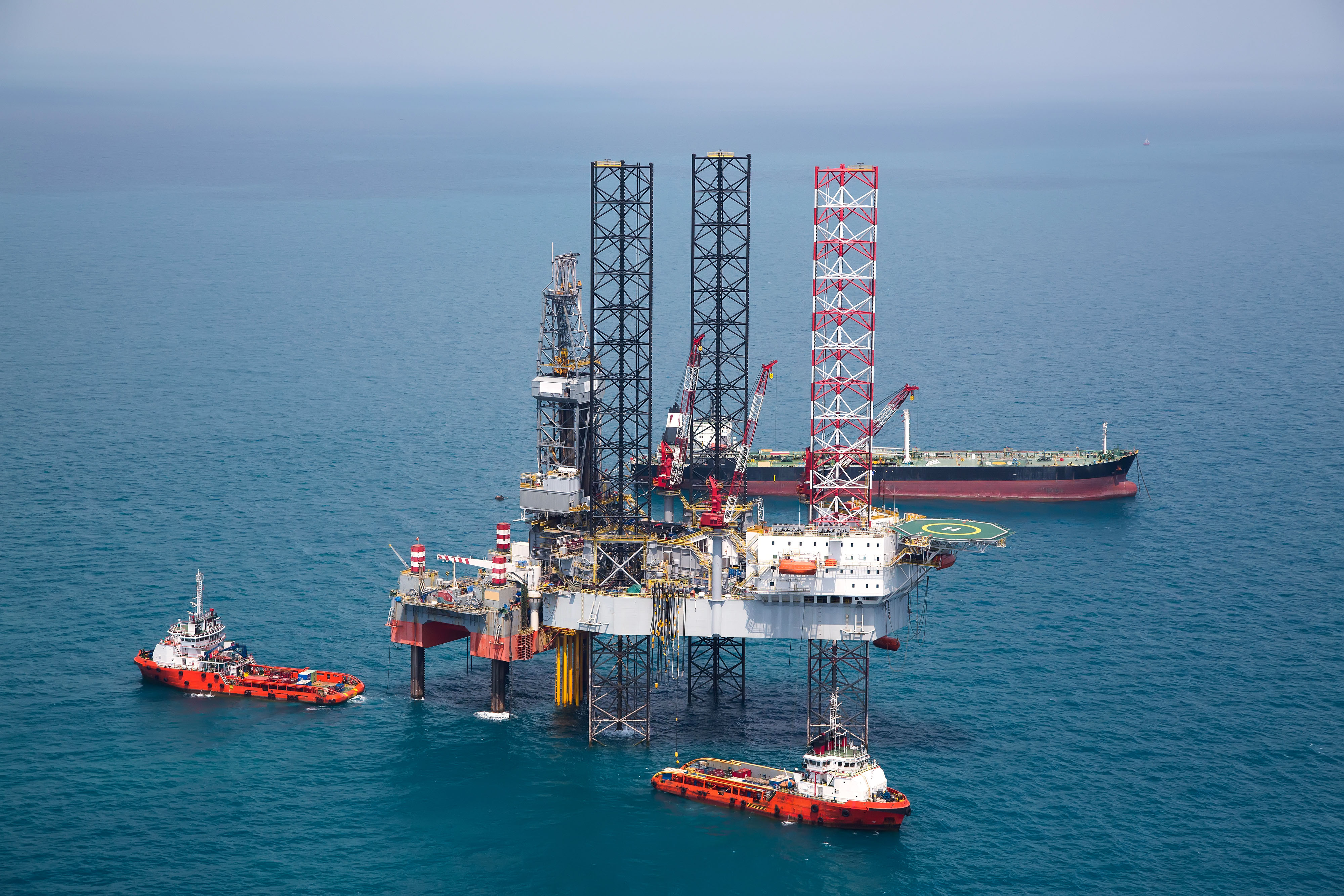
Offshore drilling platforms in the Arabian Sea. Onshore rigs in Rajasthan. Gas processing facilities in isolated industrial zones.
These locations are rarely close to major transport hubs.
But they depend on a steady flow of highly specialized equipment: pressure valves, turbine parts, drilling tools, control modules, and subsea components.
When one of those components fails, the financial consequences escalate quickly.
Research from Deloitte highlights that unplanned downtime is one of the largest operational cost drivers in upstream oil and gas production, often costing companies hundreds of thousands of dollars per day.
Waiting for slow transport options is rarely acceptable.
This is where air freight becomes indispensable.
What Industry Teams Call “Ghost Airports”
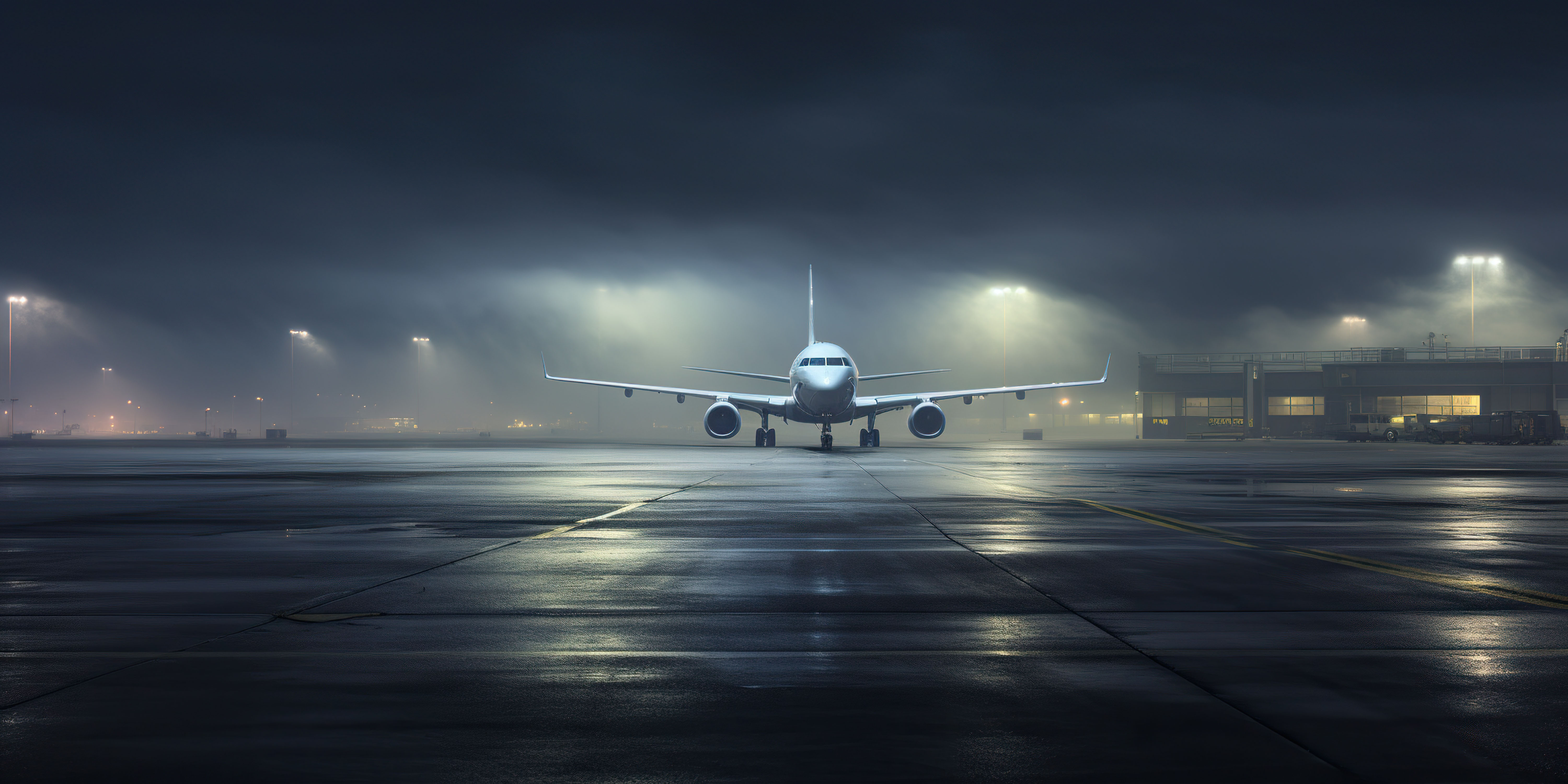
In remote logistics planning, professionals often refer to lightly used airstrips near industrial zones as “ghost airports.”
These may include:
- regional airports with minimal passenger traffic
- private airstrips near energy infrastructure
- defense-adjacent runways occasionally used for industrial cargo
They rarely appear in commercial travel itineraries.
But when critical equipment needs to move quickly, they become essential logistics nodes.
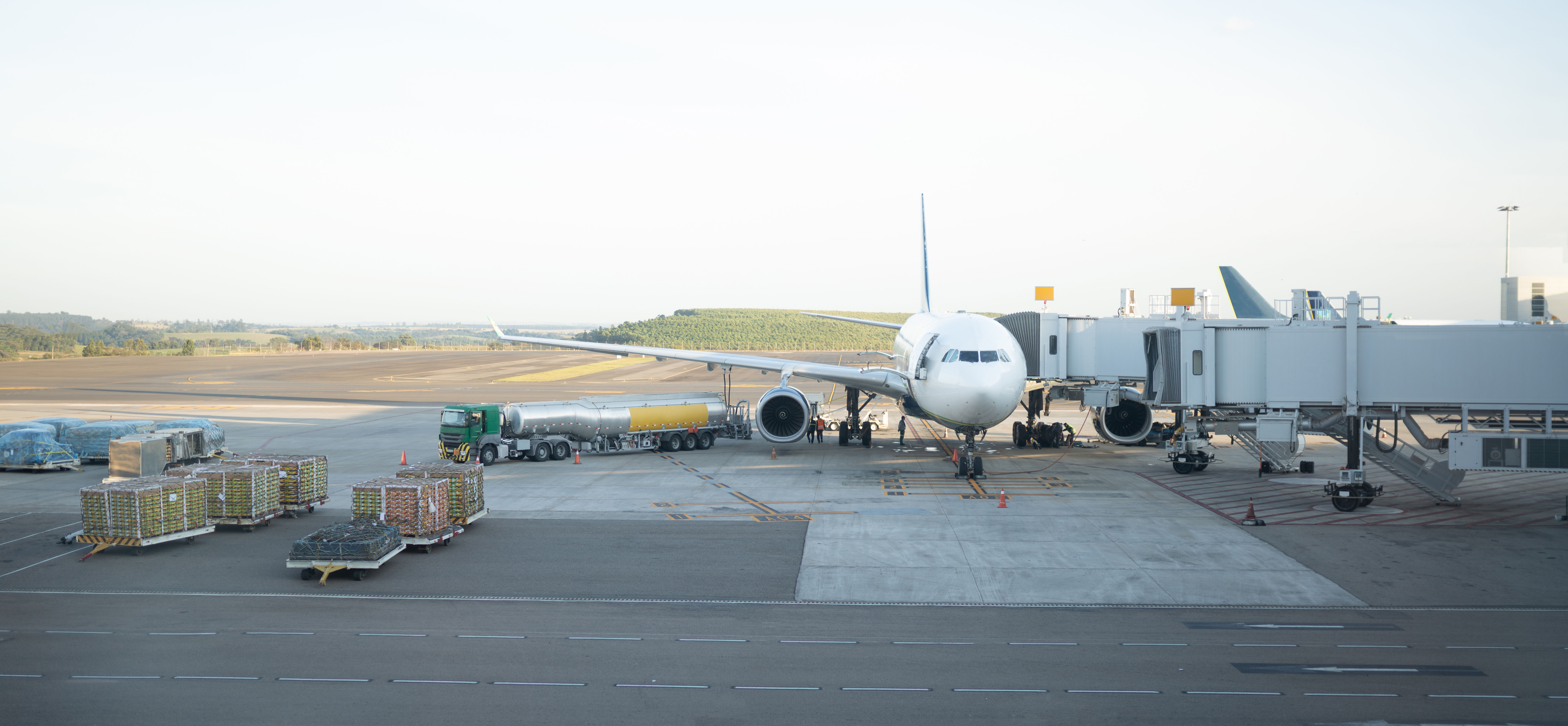
Cargo aircraft can land closer to remote operations, reducing the time required to move components from airports to drilling sites or offshore bases.
Why Tactical Air Freight Is Different
Standard air cargo typically moves through major hubs and predictable schedules.
Tactical air freight is different.
It is built around speed, flexibility, and contingency planning.
Energy logistics teams rely on it for several reasons.
Rapid Response
Emergency shipments often require aircraft space within hours. Freight forwarders coordinate charter aircraft or secure space on scheduled cargo flights immediately.
Oversized Industrial Cargo
Oilfield equipment is rarely small. Drill heads, compressors and control systems require specialized packaging and aircraft load planning.
Regulatory Compliance
Energy equipment may include hazardous materials or lithium batteries that require strict compliance with aviation regulations. Proper documentation prevents clearance delays.
Multimodal Coordination
Air freight is only one part of the journey. Shipments often continue via helicopter transfers, offshore supply vessels, or secured trucking to reach the final destination.
A skilled logistics service provider orchestrates this entire movement.
The Indian Energy Landscape
India’s energy ecosystem includes offshore platforms, refineries, LNG terminals, and petrochemical complexes spread across diverse geographies.
According to the Ministry of Petroleum and Natural Gas, India remains among the world’s largest energy consumers, with continued investments in upstream exploration.
As exploration expands into deeper waters and remote regions, logistics complexity grows.
This creates increasing reliance on experienced freight forwarders capable of coordinating air, sea, and ground transport seamlessly.

Multimodal Logistics in Remote Energy Supply Chains
Air freight rarely operates alone.
In most cases it forms part of a multimodal logistics strategy.
Non-critical equipment may travel by sea freight to reduce cost. Critical spare parts move by air when speed becomes essential.
This hybrid approach balances operational urgency with financial efficiency.
According to global logistics research from the World Bank, countries with strong logistics performance consistently achieve higher supply chain reliability and industrial productivity.
For energy companies operating in remote locations, logistics reliability directly affects production continuity.
Tactical Air Freight as a Strategic Advantage
Air freight is expensive compared with ocean shipping.
But cost must always be measured against risk.
If a refinery shutdown costs $500,000 per day, paying a premium for urgent air cargo is often the rational decision.
The real question is not cost.
It is downtime.
Tactical air freight reduces operational risk by delivering critical equipment quickly, keeping production lines running and protecting revenue streams.
In remote environments where infrastructure is limited, it becomes the lifeline connecting isolated operations to global supply networks.
Conclusion
Ghost airports may not appear on commercial travel maps.
But they quietly support some of the world’s most critical industrial operations.
In oil and gas logistics, tactical air freight bridges the gap between remote production sites and global supply chains.
It transforms isolated drilling platforms and industrial corridors into connected operational hubs.
And when every hour of downtime matters, that connection makes all the difference.
FAQ
1. Why is air freight important for oil and gaslogistics?
Air freight enables rapid transportation of critical spare parts and equipment to remote drilling sites or offshore platforms, preventing costly production downtime.
2. What is tactical air freight?
Tactical air freight refers to specialized air cargo operations designed for urgent, high-value or complex shipments that require rapid response and flexible routing.
3.What are ghost airports in energylogistics?
Ghost airports are small or underutilized airstrips near remote industrial zones that logistics providers use to move urgent cargo closer to oil and gas operations.
4. How does multimodallogisticssupport energy supply chains?
Multimodal logistics combines air, sea and ground transport to balance speed, cost and reliability when delivering equipment to remote energy sites.
5. Why do oil and gas companies rely on freight forwarders?
Freight forwarders coordinate complex logistics operations including air cargo booking, customs clearance, compliance documentation and multimodal transport planning.