For decades, exporters built their logistics strategies around stability.
Routes were predictable. Transit times were relatively consistent. Supply chains were designed for efficiency rather than disruption.
But the global logistics landscape has changed.
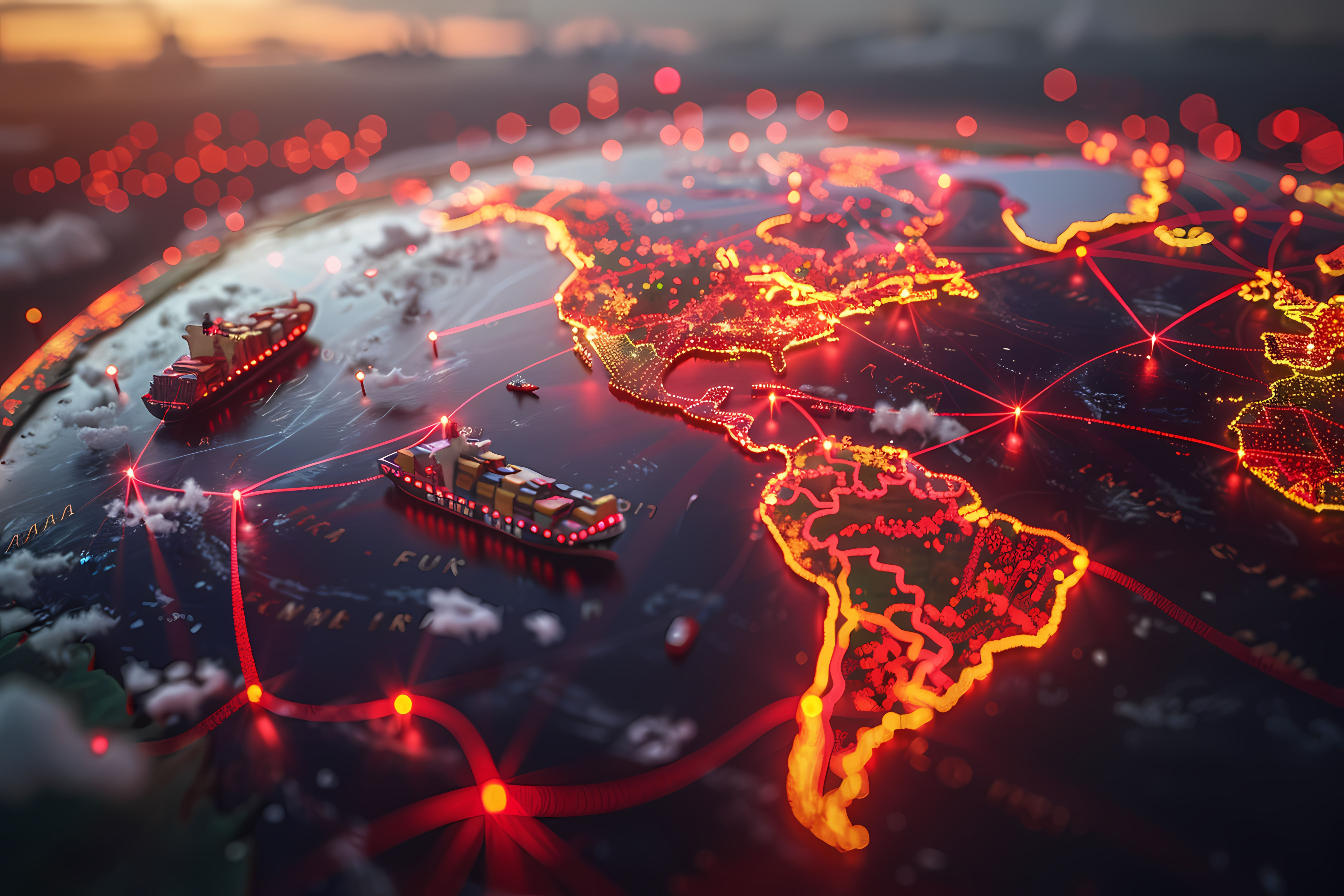
From security threats in the Red Sea to rising tensions around key maritime chokepoints such as the Strait of Hormuz, shipping routes are becoming less predictable. Vessels are rerouting, insurance costs are increasing, and transit times are shifting across major trade lanes.
For exporters, this creates a new challenge.
The question is no longer simply how to ship goods efficiently. The question is how to ship them reliably when the global environment is uncertain.

Understand Where Your Supply Chain Is Vulnerable
The first step toward resilience is understanding where risk exists.
Many exporters rely heavily on a small number of shipping routes without realizing how vulnerable those routes can be.
For example, several of the world’s busiest maritime corridors act as chokepoints for global trade.
These include the Strait of Hormuz, the Suez Canal, the Bab el-Mandeb Strait, the Panama Canal, and the Malacca Strait.
Together, these corridors carry a significant share of global trade and energy shipments. When disruptions occur in any of them, global logistics networks quickly feel the effects.
To better understand how these corridors shape international trade, explore our article on
Global Shipping Chokepoints That Control World Trade.

Diversify Transport Routes
One of the most effective ways exporters can reduce logistics risk is by diversifying shipping routes.
When companies rely entirely on one maritime corridor, a disruption in that region can halt shipments for weeks.
Diversification can involve several approaches:
- Using alternative ports of departure or arrival
- Shifting cargo between ocean and air transport during disruptions
- Exploring rail or multimodal logistics routes where possible
For example, some companies shipping between Asia and Europe are exploring multimodal corridors that combine sea, rail, and inland transport.
The goal is not to abandon established routes but to maintain flexibility when conditions change.
Work Closely With Logistics Partners
In uncertain environments, strong partnerships with logistics providers become even more valuable.
Freight forwarders and logistics specialists often have early visibility into disruptions affecting ports, shipping lanes, or customs operations.
Working closely with experienced partners can help exporters:
- Anticipate route disruptions
- Adjust shipping schedules quickly
- Find alternative transport solutions when delays occur
Real-time communication across the supply chain is becoming one of the most important tools for managing global logistics risk.
Plan for Longer Transit Times
When vessels are forced to reroute due to geopolitical risks, transit times can increase significantly.
For example, ships avoiding the Red Sea and Suez Canal route may travel around the Cape of Good Hope, adding thousands of nautical miles to voyages between Asia and Europe.
For exporters, longer transit times can affect production planning, inventory management, and customer commitments.
Companies can reduce the impact by:
- Increasing safety stock levels
- Adjusting production schedules
- Building more flexible delivery timelines
These adjustments may slightly increase operational costs, but they also improve supply chain reliability.
Monitor Geopolitical Developments
Logistics decisions today are increasingly influenced by geopolitical developments.
Tensions around critical shipping corridors can escalate quickly, affecting vessel movements and trade flows.
For example, the Strait of Hormuz remains the world’s most important energy transit route, with roughly 20 million barrels of oil per day moving through the corridor, according to the U.S. Energy Information Administration.
Any instability in this corridor can influence energy markets, freight costs, and global shipping routes.
Our in-depth analysis of this issue is available here:
The Strait of Hormuz Risk: How Middle East Tensions Could Reshape Global Shipping Routes.
Invest in Supply Chain Visibility
One of the biggest advantages modern exporters have is access to better logistics data.
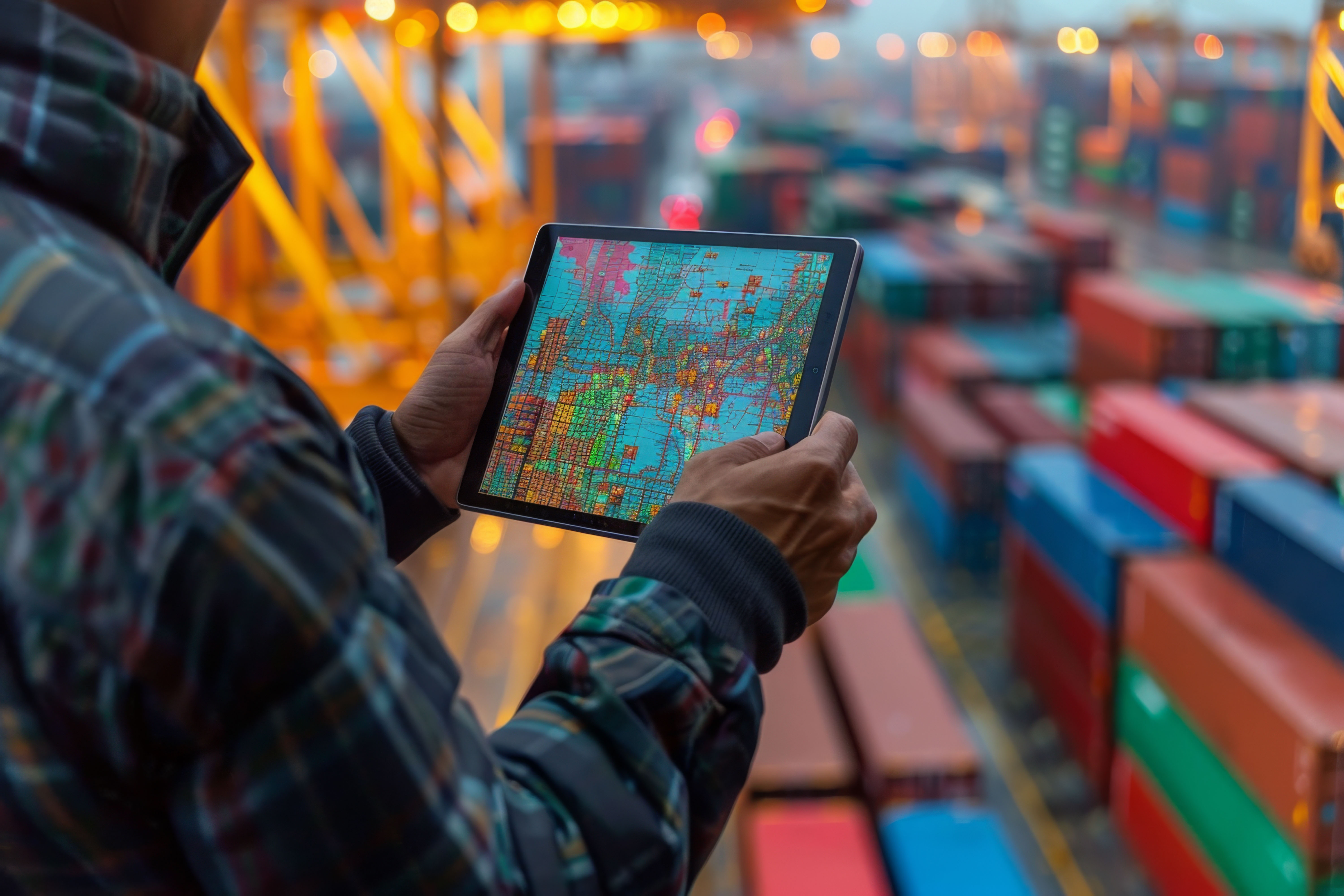
Digital platforms now allow companies to track shipments in real time, monitor port congestion, and receive alerts about disruptions affecting shipping routes.
These tools enable faster decision-making when unexpected changes occur.
Supply chain visibility platforms can help exporters:
- Monitor vessel movements and port conditions
- Anticipate delays earlier
- Reroute cargo more effectively
In an unpredictable logistics environment, visibility often becomes the difference between reacting to disruption and managing it.
Resilience Is the New Competitive Advantage
Global trade will always involve risk.
What has changed is the scale and frequency of disruption.
Geopolitical tensions, climate events, and infrastructure constraints are all influencing how goods move around the world.
For exporters, resilience is no longer just a defensive strategy.
It is becoming a competitive advantage.
Companies that design flexible logistics networks, maintain strong partnerships, and monitor global developments will be better positioned to navigate the uncertainties of modern trade.
Because in today’s world, the ability to adapt quickly may matter just as much as the ability to ship efficiently.
FAQ
How can exporters manage shipping route disruptions?
Exporters can manage disruptions by diversifying transport routes, working closely with logistics partners, increasing supply chain visibility, and maintaining flexible delivery schedules.
Why are global shipping routes becoming unstable?
Geopolitical tensions, security risks near maritime chokepoints, climate impacts, and infrastructure constraints are contributing to increased volatility in shipping routes.
What are the most important shipping chokepoints exporters should monitor?
Key chokepoints include the Strait of Hormuz, Suez Canal, Bab el-Mandeb Strait, Panama Canal, and the Malacca Strait.
How do longer shipping routes affect exporters?
Longer routes increase fuel costs, extend transit times, and may require exporters to adjust inventory planning and delivery timelines.
Why is supply chain visibility important during disruptions?
Real-time visibility allows exporters to detect delays earlier, reroute shipments faster, and make informed logistics decisions during disruptions.