
By Jitendra Srivastava
The recently announced U.S.–India Interim Trade Agreement marks a quiet but decisive shift in how global supply chains will move through India over the next decade. Headlines are understandably focused on the $500 billion purchase commitment, aircraft orders, and tariff resets. But if you look a layer deeper, the real structural winner here is air freight.
This deal does not just liberalize trade. It rewires speed, reliability, and capacity across one of the world’s fastest-growing aviation markets.
Aircraft parts and the air cargo multiplier
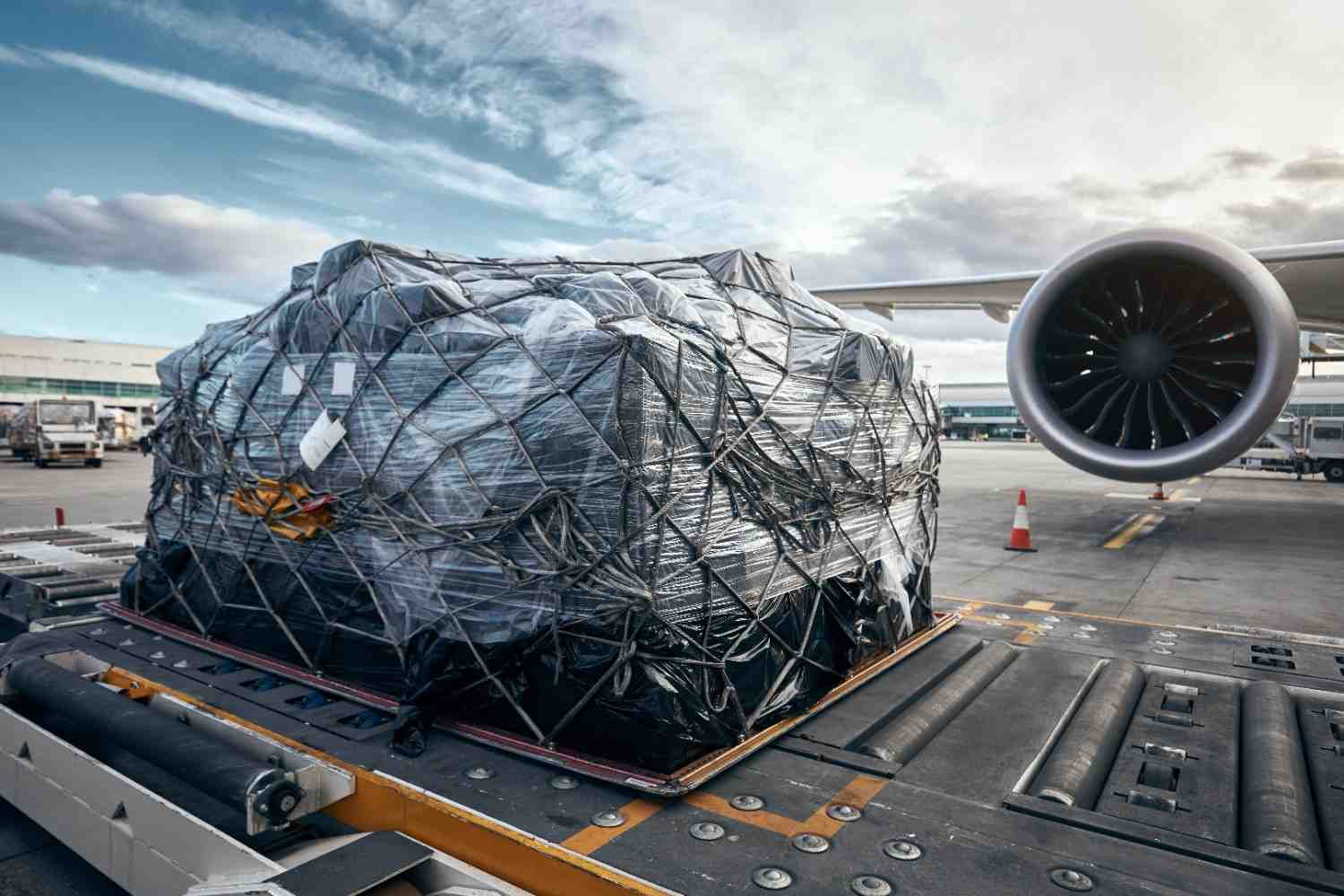
The removal of tariffs on aircraft and aircraft parts is more than an aviation headline. It is a logistics catalyst. India already has over a thousand aircraft on order, with major OEMs like Boeing expanding their presence across manufacturing, spares, and MRO ecosystems. Every new aircraft inducted into the system creates recurring demand for high-value, time-critical cargo: engines, avionics, components, consumables, and tooling.
Air freight thrives on exactly this kind of cargo. It is predictable, premium, and operationally non-negotiable. When spares are delayed, aircraft stay grounded. By lowering duties and smoothing reciprocal access, the agreement reduces turnaround time and landed costs for these shipments. Over time, this shifts India from being a reactive importer of aviation spares to a proactive node in global aviation supply chains.
Just as importantly, the rise of domestic MRO hubs means these flows will no longer be one-way. Components will move in, out, and across borders at higher frequency, anchoring sustained air cargo volumes rather than one-off spikes.
Exports that naturally belong in the air
On the outbound side, the agreement realigns air freight with India’s strongest export categories. Gems and jewellery, pharmaceuticals, textiles, electronics, and precision machinery dominate the tariff relief list. These are not commodities that wait for vessels. They move on deadlines, security protocols, and market windows.
For Indian exporters, lower U.S. tariffs combined with predictable market access change the economics of speed. Air freight stops being a distress option and becomes a planned one. This is especially true for pharma and generics, where cold chain integrity and regulatory compliance leave little room for delay. It is also true for jewellery and high-end textiles, where inventory velocity matters as much as price.
As demand stabilizes, airlines benefit from consistent belly cargo utilization rather than seasonal volatility. That stability is what allows routes to scale sustainably.
Belly cargo economics finally make sense
One of the most underappreciated impacts of this deal is on airline route planning. Passenger traffic has always driven Indian aviation growth, but cargo economics often lagged behind. This agreement changes that balance.
As trade volumes rise between India and the United States, belly capacity becomes commercially meaningful. High-yield cargo improves route profitability, supports higher frequencies, and reduces dependence on pure passenger demand cycles.
For airlines, this means fewer routes justified purely on aspirational growth and more routes backed by real trade flows. For logistics players, it means tighter schedules, better connectivity, and lower risk premiums.
Airports not just aircraft
Air freight growth does not happen in the sky alone. It depends on what happens on the ground. The government’s push towards expanding airport infrastructure, with a long-term vision of hundreds of airports and dozens of international gateways, aligns perfectly with this trade shift.
More international airports mean shorter trucking legs, faster airport access, and more decentralized cargo handling. For exporters in tier-two and tier-three cities, this is transformative. It compresses supply chains and reduces the friction that often forces cargo into slower modes.
The agreement also emphasizes addressing non-tariff barriers and standards alignment. That matters enormously for air cargo, where documentation, testing, and regulatory clarity can be the difference between a same-day release and a costly delay.
Strategic air freight not just faster freight
What stands out most about this trade framework is that it treats logistics as strategy, not support. By linking aircraft procurement, energy purchases, technology flows, and market access into one long-term commitment, it gives logistics planners something rare: visibility.
Air freight benefits disproportionately from visibility. When volumes are predictable, investments follow. Dedicated freighters make sense. Cold chain infrastructure scales. Digital tracking systems become viable at network level rather than pilot level.
This is how air cargo matures. Not through sudden demand spikes, but through policy stability that allows the ecosystem to invest with confidence.
The bigger picture
India is already the fastest-growing large aviation market in the world. This agreement accelerates that trajectory by aligning trade policy with aviation reality. It positions air freight not as a premium niche, but as a core enabler of India’s export competitiveness and supply chain resilience.
For logistics professionals, the message is clear. Air freight between India and the U.S. is entering a structurally stronger phase. Capacity will grow. Reliability will improve. And the line between passenger aviation and cargo economics will continue to blur in favor of both.
This is not just a trade deal. It is a runway.
FAQ
1.How will the U.S.–India trade deal impact air freight in India?
The trade deal reduces tariffs on aircraft, aircraft parts, and key Indian export categories, directly lowering costs and transit time for air cargo. This makes air freight more viable for high-value, time-sensitive goods and improves cargo economics on India–U.S. routes.
2.Why is air freight expected to grow faster than other modes after this trade agreement?
Sectors benefiting most from the deal, such as pharmaceuticals, gems and jewellery, electronics, and textiles, are best suited for air freight due to urgency, value, and compliance needs. As volumes rise, airlines gain stronger belly cargo utilization, accelerating air cargo growth ahead of sea freight.
3.How do aircraft and MRO investments affect air cargo capacity?
With over a thousand aircraft on order and expanding MRO facilities, India will see higher imports and exports of aviation components and spares. These movements are predominantly handled by air, creating steady, recurring cargo flows rather than seasonal demand.
4.What does the trade deal mean for Indian exporters using air freight?
Lower U.S. tariffs and clearer market access allow exporters to plan faster supply chains without relying on last-minute shipping decisions. This enables Indian exporters to use air freight strategically for reliability, speed, and inventory optimization.
5.How will airlines and logistics providers benefit from this trade agreement?
Airlines benefit from improved route viability and better cargo yields, while logistics providers gain from predictable volumes, improved connectivity, and stronger demand for specialized air cargo services such as pharma, perishables, and high-value goods handling.