Modern defense operations rely on secure, predictable, and fast supply chains. Equipment, fuel, ammunition, medical support, and personnel must move with precision. In the past, manual convoys and traditional freight routes carried this burden. Today, defense supply chains are facing new pressures. Threat landscapes are changing, response times are shrinking, and they are under constant risk. To meet these demands, many defense organizations are turning to autonomous convoys and artificial intelligence. These technologies are reshaping how defense forces manage shipping and logistics.
Why Defense Logistics Needs a Rethink
Defense supply chains rely on stability. Military operations cannot afford delays in shipments, unreliable routes, or poor visibility. Traditional logistics transportation services require large teams, numerous handovers, and manual decision-making. These systems have historically worked well, but the increasing complexity of global conflicts and supply chain disruptions has rendered them ineffective. Convoys must now operate in unpredictable environments and frequently face threats.
This is where autonomous systems and AI-powered planning come in. They can make rapid, data-driven decisions that human operators cannot match at scale. They can also reduce the number of people at risk on the ground. When combined with advanced logistics services and experienced freight forwarders, defense supply chains can become more robust and responsive.
The Rise of Autonomous Convoys
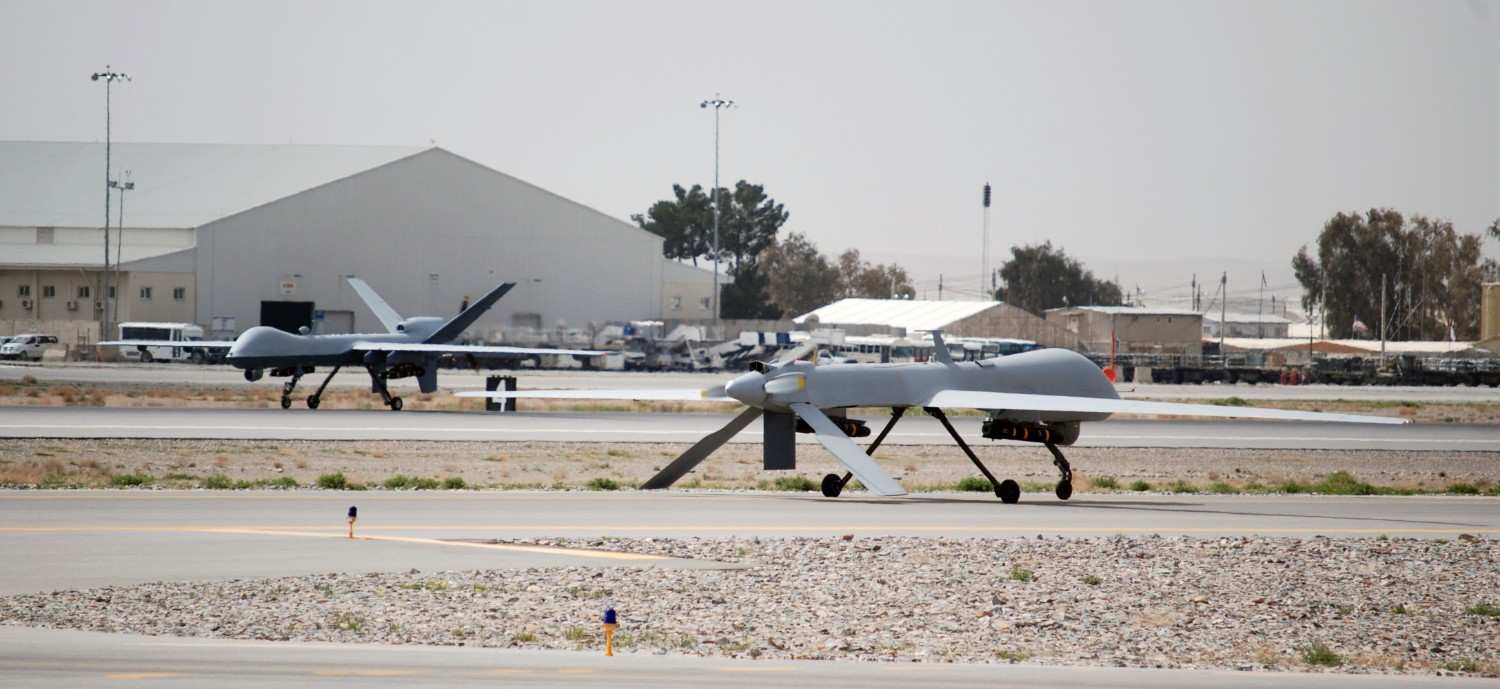
Autonomous convoys aren’t science fiction. Defense forces in several countries have already tested and deployed them in controlled environments. To move accurately, these convoys use a combination of sensors, GPS, radar, and real-time communications. A single lead vehicle can guide several unmanned trucks, reducing manpower and improving coordination.
Defense convoys, unlike standard shipping and logistics routes, are subject to active threats. Roads may be unsafe. Infrastructure may be inadequate. Weather and terrain can change rapidly. Autonomous vehicles can react more quickly than humans to unexpected obstacles or attacks. They can reroute in real time and maintain formation in harsh conditions. This allows defense forces to maintain supply chains without disrupting operations.
AI as the Strategic Engine
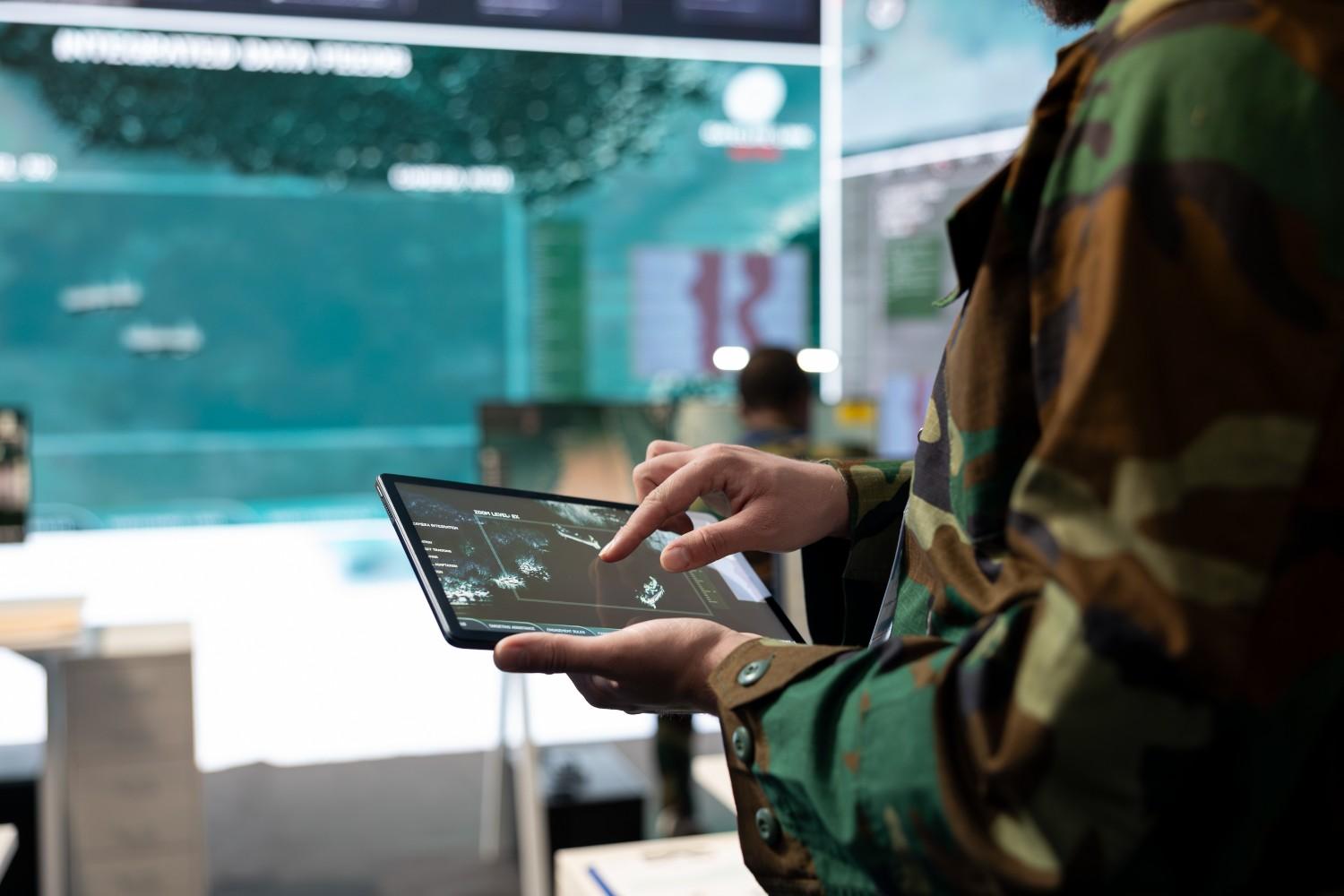
Autonomous vehicles may transport cargo, but AI determines the route. Artificial intelligence can handle massive amounts of data from satellites, ground intelligence, and weather systems. It can predict risks along the way and recommend alternatives in seconds. This strategic application of AI can also assist freight forwarders and defense logistics planners in better coordinating with military units on the ground.
For example, if a road is closed or under surveillance, AI systems can recommend safe routes. They may also recommend changes in speed, timing, or formation. This level of intelligence-driven planning was previously only possible with extensive briefings and large teams. Now it happens in real time, giving defense units a significant advantage.
Reducing Risk and Human Exposure
One of the biggest advantages of autonomous convoys is safety. Traditional convoys place many drivers and personnel at risk. In conflict zones, this can lead to injuries, delays, or worse. With autonomous systems, fewer people need to be in the convoy. This reduces exposure and allows military units to focus on more important tasks.
Freight forwarders who collaborate with defense units can also plan more efficiently. Because autonomous convoys can travel longer distances without stopping, routes can be shorter and faster. AI also helps predict where threats might emerge, giving planners a clearer picture of the supply chain in real time.
Better Integration with Logistics Services
For defense operations, no supply chain works in isolation. Freight forwarders and logistics transportation services form a critical part of the chain. They handle the movement of equipment, fuel, and other assets from bases to frontline units. When autonomous convoys and AI systems integrate with these networks, the result is smoother coordination.
For example, a defense logistics team can align shipping and logistics schedules with autonomous convoys on the ground. This reduces idle time, improves asset tracking, and allows defense leaders to allocate resources more effectively. It also brings new levels of visibility into complex operations.
Strategic Advantages in Modern Warfare
Speed, precision, and reliability define modern defense logistics. A delay of even a few hours can affect mission outcomes. Autonomous convoys allow supply chains to operate at a higher speed with greater predictability. AI ensures that the entire route is optimized and continuously monitored. This gives military planners the ability to make informed decisions at every stage.
In contested or remote areas, these technologies can also help reduce dependence on fixed infrastructure. Convoys can move without needing constant manual oversight. This level of independence is a major advantage in modern warfare, where flexibility often determines success.
Scaling with Freight Forwarders
Defense operations necessitate a mix of military and commercial resources. Freight forwarders have valuable shipping and logistics experience. They are knowledgeable about routes, customs procedures, and international shipping regulations. By incorporating autonomous convoy systems into their services, freight forwarders can help defense logistic planners move assets more quickly across regions.
This partnership also improves operational resilience. If one route is compromised, AI can work with freight forwarders to identify alternative supply routes. This type of adaptive planning strengthens the entire supply chain while ensuring that operations run smoothly.
Cost and Resource Optimization
Defense logistics frequently deals with large amounts of cargo, long timelines, and numerous stakeholders. Traditional methods can be resource intensive. Autonomous convoys can save money over time by reducing manpower requirements, fuel waste, and idle time. AI can help optimize shipping and logistics schedules, reducing duplication and inefficiencies.
Freight forwarders who use these technologies can achieve more predictable outcomes. For defense forces, this means more efficient budget allocation and faster mission readiness. It also alleviates the logistical burden of long-term deployments.
Overcoming Challenges
While the potential is obvious, implementing autonomous convoys and AI in defense logistics poses challenges. Regulations governing self-driving vehicles are still evolving. Communication systems must be secure and resistant to cyber-attacks. AI algorithms must be rigorously trained to avoid errors that could jeopardize missions.
Integration with existing logistics and transportation services requires investment. Freight forwarders and defense agencies must establish common operational standards. Another critical step is to train teams on how to use the new systems.
Nonetheless, these obstacles are not insurmountable. They are manageable with careful planning, strong partnerships, and continuous testing. Several defense forces have already shown that these technologies are reliable in real-world scenarios.

The Road Ahead for Defense Supply Chains
Defense logistics is evolving. Autonomous convoys and AI are changing the way supply chains respond to pressure. Speed, precision, and resilience are no longer goals; they are necessary for mission success. However, technology cannot deliver this alone. The real strength comes from combining innovation with proven logistics expertise.
Triton Logistics & Maritime has over two decades of experience in multimodal freight forwarding and is supported by its parent company, the Abrao Group. We combine global reach with high compliance standards, advanced visibility tools, and secure shipping and logistics solutions designed specifically for defense and aerospace.
As defense organizations adopt AI-enabled convoy systems, dependable freight forwarders like Triton serve as a vital link between cutting-edge technology and ground-level execution. This partnership ensures that supply chains are agile, secure, and always mission-ready.
Partner with Triton to create a future-ready defense supply chain.