
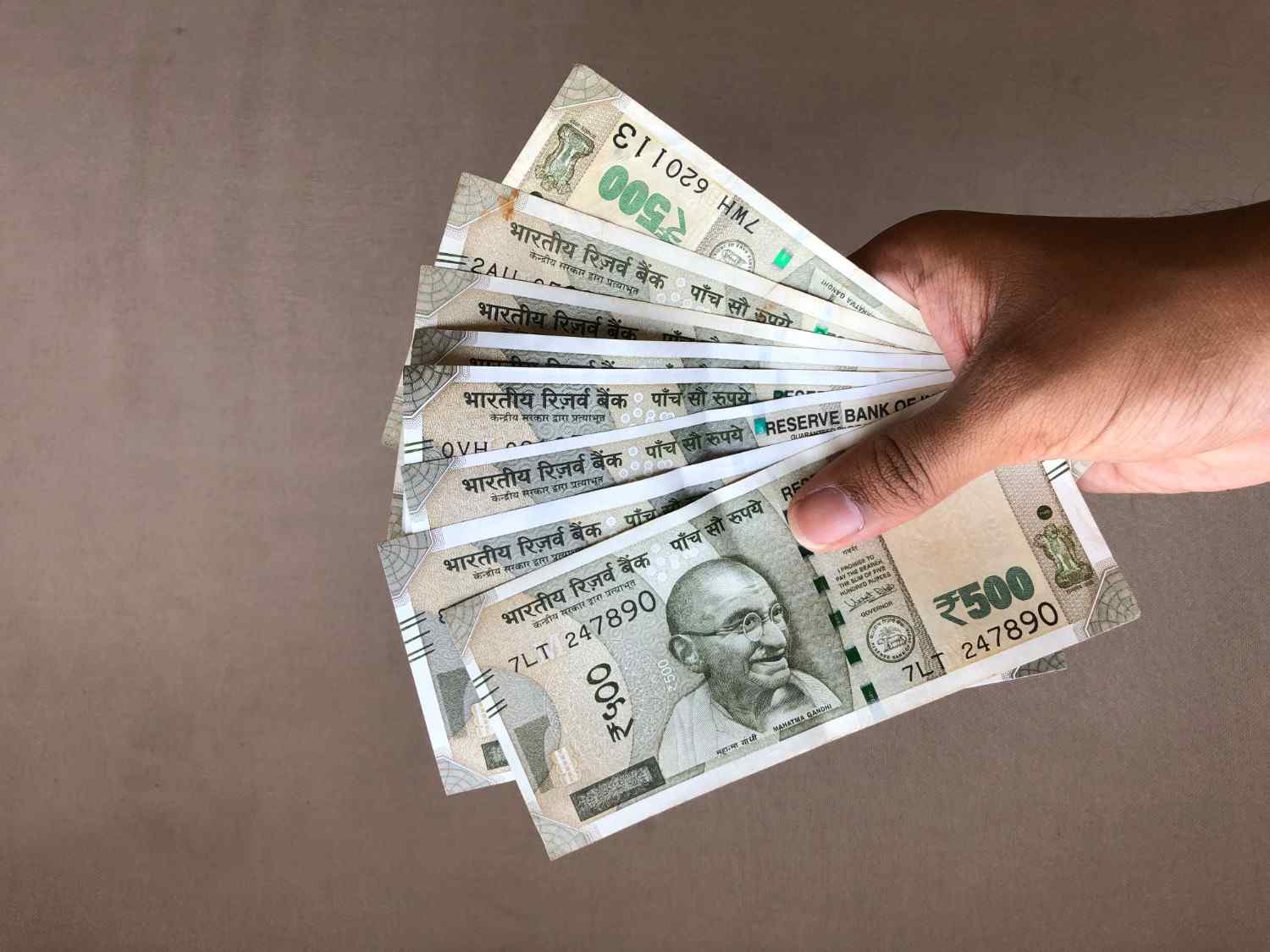
Currency fluctuations are no longer just figures on a screen when it comes to doing business between India and China. They are going straight to the bottom line of businesses, from large exporters to small importers struggling to keep expenses in line. The yuan-rupee dance has become more volatile in 2025, transforming the way Indian companies make cross-border payments, hedge their risks, and plan for the future.
The 2025 Currency Roller Coaster
This is what has been occurring: the rupee is on a rollercoaster ride against both the dollar and the Yuan in 2025. A single Chinese yuan was equivalent to approximately 11.72 Indian rupees in January. We can now skip a month and find the Yuan at 12.36 rupees per Yuan, a loss of more than 5% for the rupee.
However, it does not all depend on these two currencies working in a vacuum. The rupee touched a low of 88.44 against the US dollar in September, sending a sustainable effect on the rest of the currency pairs. The most difficult thing about this is that Indian business is in a three-way tango involving the rupee, the Yuan, and the dollar, and every single step leads to a difference in terms of profits.
The volatility in the Yuan-Rupee is not accidental as well. It has been motivated by various factors: a huge amount of foreign portfolio investor (FPI) outflows of more than 12.8 billion from Indian markets in 2025, US tariffs of 50% on Indian exports, and China’s strategic currency management. For Indian companies trading with China or purchasing Russian oil (where yuan payments are aggressively sought and demanded), such swings directly translate into margin pressure.

Cross-Border Payments
Let us discuss one thing that a majority of businesses do not consider entirely until it bites, and that is the cross-border cost of payment. With exchanges involving the Yuan and rupee, this is not as easy as it may seem, as the conversion is based on the market rate. Intermediary banks, currency conversion charges, and time mismatches are subject to a 2-3% value erosion on the transaction.
Indian refiners have started paying for a few Russian oil shipments in Chinese Yuan rather than US dollars or UAE Dirhams. Indian refiners previously used to pay in Dollars or Dirhams, which were converted into Yuan and then into Rubles. This twisting process increased transaction costs and delays. Today, by paying in Yuan straight away, refiners can eliminate one level of conversion, reduce transaction costs, and make payments quicker.
The effect on margins may be ugly. An exporter of textiles paid in Yuan may experience a 5-6% change in the realization of the rupee within a quarter solely due to exchange rate changes. In the business of thin-margin industries, such as garments, gems and jewelry, or auto parts, it can be a matter of profit versus loss.

The Hedging Strategies: Combating the Fluctuations
Indian exporters and importers are not idlers. They are becoming more sophisticated in their hedging approaches, though this may come at a cost in the short run.
Forward contracts have been the preferred choice for every business. These contracts stabilize exchange rates for future transactions, providing some certainty in an unpredictable world. A trader who will receive a Yuan payment in 90 days can hedge at the current rate and avoid the guessing game. The downside? Should the rupee fall further (which, in fact, is an advantage to exporters), they are unable to enjoy those benefits.
Currency options are also taking off, particularly with mid-sized companies. Unlike forwards, options give businesses the right to acquire or sell at a specified rate, but not an obligation to do so. This is at a premium, but it allows exporters to enjoy the positive moves and to cushion against the negative ones.
What has actually changed in 2025 is the RBI’s tolerance for volatility, which has compelled companies to increase hedging. One of the senior executives of an auto parts company observed that their hedging coverage is up to 80-90% in times of rupee depreciation, and in the past years, their hedging coverage stood at 60-70%. That is a significant change in the philosophy of risk management.
Another smart strategy that is being embraced by some businesses is natural hedging. Indian exporters with an Indian yuan balance and a Chinese yuan balance (e.g., importing raw materials in China and selling finished goods there) can offset these flows; for this purpose, they are known as net off. It eliminates the use of costly financial instruments.
Long-term hedging costs have also been curbed by the RBI’s recent three-year dollar-rupee swap deal. Such swaps injected money into the banking system and, at the same time, made it cheaper for companies to hedge multi-year exposures, a win-win in the season of uncertainty.
The Changing Position of RBI: Between Tight Control and Strategy Flexibility
One thing that is 2025 in money markets is the Reserve Bank of India’s interesting policy transformation. Over the years, the RBI kept rupee volatility very low by conducting aggressive forex interventions. However, that playbook is evolving.
The RBI experienced a headline in October 2025, when it intervened heavily, citing the recent weakness of the rupee as the result of speculative attacks. The Bank of England intervened to sell dollars in large volumes, calmed volatility, and sent a forceful message: the central bank would not allow speculative activity to destabilize the market. The 10-day annualized volatility was lower than it has been in a long time, at less than 1%.
However, this is the paradox that puzzles most market players. Although the RBI stepped in forcefully in mid-October, it had given the rupee much more two-way leeway in 2025. The result of this light-touch style was that it encouraged companies to be more proactive in managing forex risks, thereby strengthening the Indian corporate world.
Their forex reserves speak volumes. Reserves will have fallen to approximately $624 billion in early 2025, after briefly reaching up to $704.9 billion in September 2024, as the central bank supported the rupee. However, by September 2025, reserves had been restored to more than 700 billion, demonstrating that the RBI could cope with volatility without permanently losing its war chest.
At an IMF event, Governor Sanjay Malhotra stressed that the RBI does not aim for a particular exchange rate; it seeks to avoid undue volatility. It is a fine balancing act: letting markets be honest and hedge, but avoiding the kind of panic that causes capital flight.
What Does This Mean to Your Business?
What is the takeaway for businesses operating amid Yuan-Rupee volatility? First, budgeting has grown tough. You are no longer sure of stable exchange rates when you compute margins or product prices. Second, hedging is not a choice; it is becoming a core competency rather than an afterthought for the finance team. Third, diversification is more critical than ever. Very much based on yuan-denominated trades with no offsetting exposures elsewhere, you remain exposed. And lastly, keep a close eye out for RBI cues. When the central bank adjusts its tolerance for volatility, it recasts the entire risk calculation for your currency play.
Currency volatility in 2025 is now the center stage in boardrooms. The yuan-rupee dynamic will remain choppy as trade tensions among nations persist, but companies that evolve their payment models and hedging approaches will be the ones safeguarding their margins as competition falters.