

Let us begin by some facts that may come as a surprise. In FY25, India imported a record 53,748 metric tonnes of rare-earth magnets. This was only half of what it was just two years ago. Why the dramatic spike? The reason is that Indian manufacturing cannot operate without these super-powerful magnets, many of which are of Chinese origin.
China is not only a powerhouse in the magnet trade; it is the chain-owner. By mid-2025, Beijing will have approximately 60% of global mining capacity and up to 90% of the world’s rare-earth processing capacity. That is, whenever there is a policy change, it spreads worldwide within a few seconds. In April, China not only increased export controls on raw rare earths but also on magnets specifically, on the grounds of national security. The controls were further extended in October, throwing global supply chains into a tizzy.
India has felt the squeeze the most. In May 2025, China exported rare earth magnets to India at their lowest level in five years, and a domestic company declared that it had enough inventory to last two or three weeks. Not a mere supply inconvenience, it poses a threat to all industries that have staked a bet on clean energy and high-tech production.

Trends That Are Supported By Data: The Increasing Import, The Decreasing Options
The figures speak volumes. The consumption of permanent magnets increased almost fourfold in India between FY21 and FY25, reaching nearly 54,000 tonnes. During the same time, the Indian magnet imports share in China remained constant, with over 90%, with the alternative being nearly unheard of.
And here is the twist to this: despite the surge insurge in quantity, the value of these imports increased by only 5% to about INR 1,744 crore in FY25, due to declining average prices. Price is not all, however, and a magnet you cannot purchase tomorrow is a crisis for manufacturers today.
Strategic and Diplomatic Weaknesses
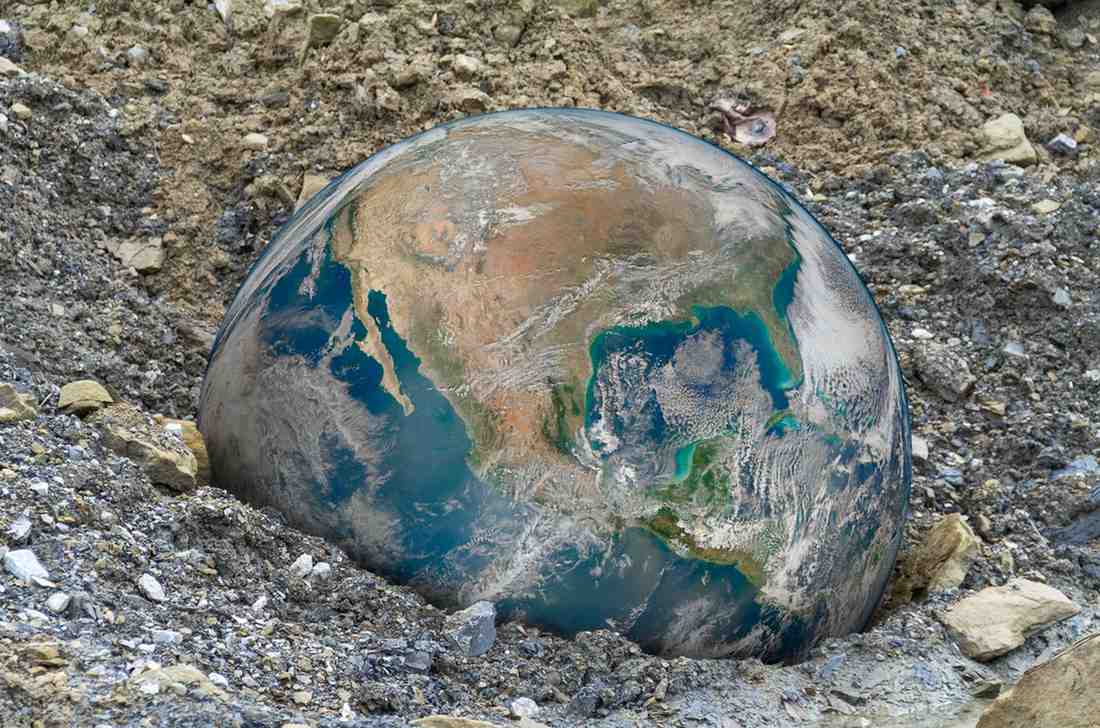
It is not the first time China has seized the rare earth market, and the recent restrictions are not only about business but also about geopolitics. After trade disputes with the US and others, China has come to need case-by-case export permits for any item containing even minute amounts of rare earths. Any Chinese technology products containing rare earths, such as magnets and batteries, are delayed and subject to uncertainty.
India isn’t alone here. The allies, such as the US, Japan, and EU nations, are scurrying to diversify supply, and the investment and development required are intimidating. In India, the vulnerability has become too great to disregard.
Indian Reaction: Mining Breakthroughs and Push Policy
The good news? India isn’t sitting idly by. In June, the government implemented a plan to support domestic exploration of rare earths, new magnet production, and mining regulatory reform, to the tune of Rs 5,000 crore (or more than $570 million). At least five major companies are queuing to bid under a reverse auction scheme in hopes of kick-starting homegrown production.
On land, the Ministry of Mines of India has delineated new rare-earth hotspots, extending from Papum Pare in Arunachal Pradesh to Singraeli in Madhya Pradesh. FY25 alone commissioned more than 195 exploration projects. New reserves have also been discovered in the Karbi Anglong and Sung Valley areas of Assam and Meghalaya. When exploited, these reserves would supply all EV-making centers in Pune or all electronics production centers in Chennai.
Minuscule household production on magnets is set to begin this year, and the regulatory makeover is underway.
One giant step: Indian Rare Earths Ltd has ended export deals with Japan on neodymium to focus on India.
The Roadblocks Ahead: Can India Really Secure Its Future
One would want to believe that India can come out of dependence through sufficient investment and exploration. Nevertheless, there are disheartening issues. Miners extract rare earths through an infamously complex process that combines environmentally sensitive mining with high technology. Treating them into high-quality magnets? That is even more difficult work yet to come.
Geology is no more important than diplomacy. Finding ore is only part of securing supply; it also requires establishing partnerships, developing technologies, and navigating market shocks worldwide. It is a race, and the measure of progress is in years, not months.
Conclusion: Hope and Uncertainty
India is at long last starting to take rare earth security seriously and that is something to rejoice in. The magnet crunch of 2025 offers an opportunity to rewrite the story: not by creating new mines and factories, but by establishing new alliances worldwide. It is a story that will define the decade to come, in case you are interested in clean power, electric vehicles, or advanced manufacturing.
But we ought not to be too optimistic. The Chinese hegemony will not disappear in the next day, and Indian independence will not come without consistent measures in policy, inventions, and politics. The future is determined on whether current efforts will become the breakthroughs today.