
India’s manufacturing scene is frequently cast in China’s shadow, but look beneath the surface in 2025 and you’ll find inspiring segments where Indian firms are quietly outperforming their Chinese counterparts. From bespoke machinery to sustainable packaging and one-of-a-kind artisanal textiles, India is carving out niches for quality, creativity, and ingenuity over mass production. Here’s how these industries are expanding, with statistics and stories that feel as genuine as they are impressive.
Bespoke Machinery: Indian Innovation on Demand
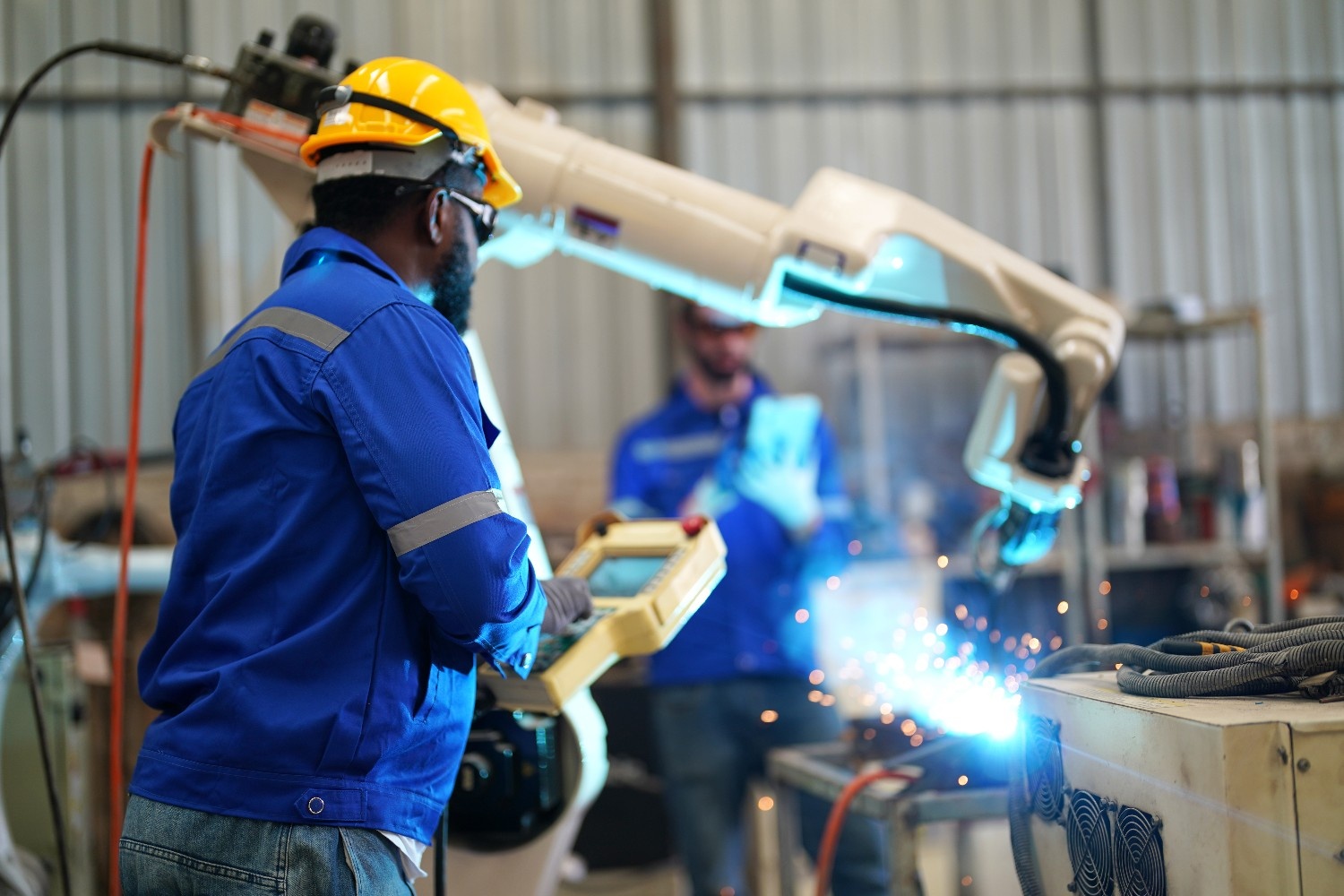
Step into a precision engineering plant in Pune or Coimbatore, and the thrum of bespoke machinery whispers something significant to you. While China has been driving mass production through sheer scale, Indian companies excel at flexible, small-series machinery for sectors such as food processing, pharmaceuticals, and packaging. These machines are not cookie-cutters; they’re tailored to the specific requirements of Indian and international customers, and the market is taking notice.
In FY25, Indian exports of machinery jumped to $601.4 million alone to Saudi Arabia, with increases evident throughout Southeast Asia and Africa. There are engineering groups stating that customers prefer Indian machines due to simple interfaces, simpler repair, and truthful after-sales support. It is not unusual for customers to receive video consultations or real-time custom adjustments, a stark difference from the wait periods and language barriers commonly seen with Chinese manufacturers.
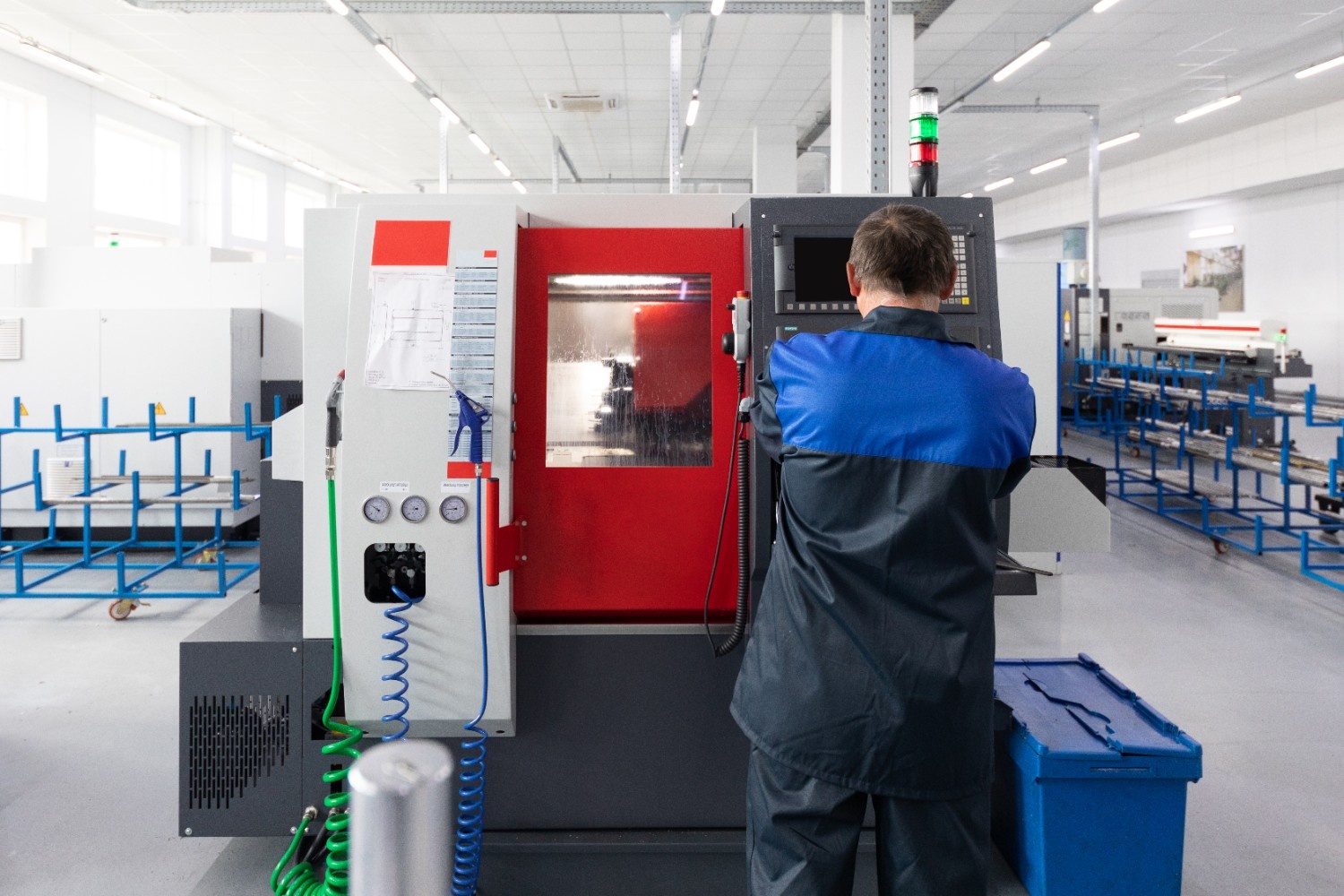
Expert opinion emphasizes India’s inclusion in machine tool retrofitting and embedded automation systems that allow legacy factories to go “smart” without a full-scale replacement. American and Middle Eastern customers now represent almost 38% of orders for custom machinery. If “Make in India” was ever a slogan, in customized machinery, it’s actually a strong point.
Eco-Friendly Packaging: More Than Greenwashing
India’s sustainable packaging revolution is redefining the equation. With jute, bamboo, and recycled paper, thousands of small enterprises and artisans have gone beyond plastic, not out of international trends, but due to the demands from buyers in the country and overseas. The biodegradable packaging market has expanded at a 7.1% CAGR by 2025, with craft retailers such as IndieHaat leading the charge.
In Rajasthan, weavers now package their rugs in banana leaves, and city brands use reusable cloth bags and wax-sealed paper cartons. It’s not merely about landfill reduction; it’s how to communicate the story of the product, create brand equity, and tap social media for direct marketing. FabIndia and other biggies have adopted eco options, selling more to environmentally aware urban buyers.
The true victory? These eco-friendly packaging solutions are designed for India’s special retail environment. In contrast to China’s plastic saturation strategy, Indian businesses have innovated past supply chain challenges and consumer mistrust with transparency and innovative communication. Social media videos of packaging endurance and craftsman tales turn the green revolution into a compelling discussion, not a marketing gimmick.
Artisanal Textiles: India’s Craft Champions
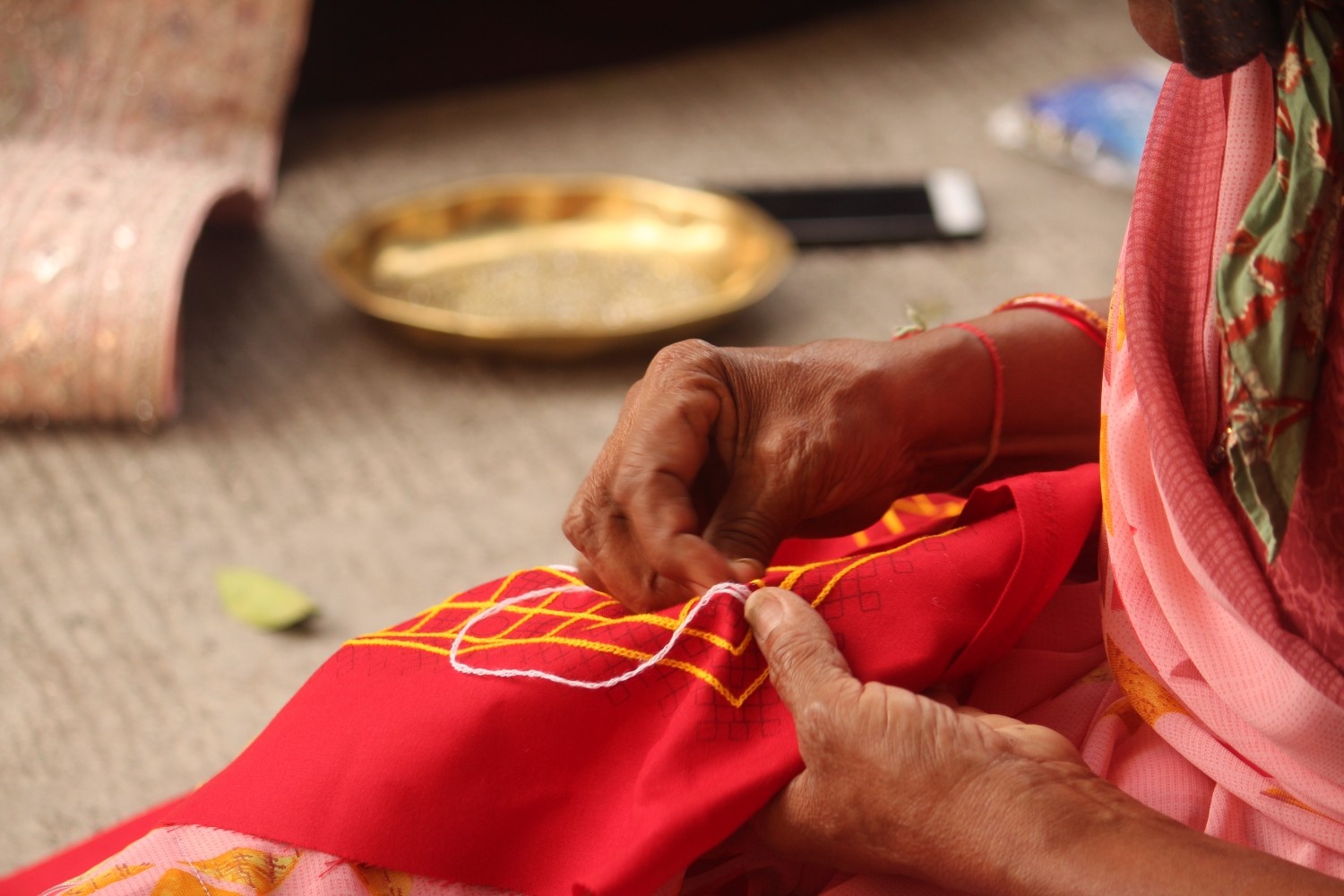
When it is about textiles, India’s advantage is authenticity and craftsmanship. Instead of inundating international markets with cheap staples, Indian producers are great at handloomed sarees, silk scarves, linen kurtas, and carefully embroidered household items. Each is often imbued with the mark of unique weavers or embroidery artists, conferring it a personality that you won’t get in Chinese mass production.
While China continues to have scale in commodity clothing, India’s craft exports increased by 11% in Q2 FY26, driven by pent-up demand in the West and the Gulf for responsibly produced, limited-run clothing. Social media-conscious craftspeople have reached far more customers, posting process films and stories that appeal to Gen Z and sustainability-conscious buyers.
Retail sites enable these weavers with design training, business skills, and online marketing. The blend of tradition and technology is turning Indian textiles into the luxury shopper’s choice to escape from monotonous uniformity. In 2025, imports from Indian handlooms to North America and Europe are at an all-time high since 2008, frequently landing on shelves next to large luxury labels.

Specialty Chemicals and Other Niche Success Stories
Don’t forget specialty chemicals, where India plays on compliance, customization, and innovation rather than sheer scale. Indian chemical makers are world suppliers of agrochemicals, surfactants, and electronics-grade solvents, selling to customers who appreciate precision and safety.
Embedded systems, small processors, and sensors are another emerging niche. India’s embedded market, valued at $115 billion at end-2024, contributes to success in everything from medical equipment to factory automation. Businesses succeed by positioning products against customer requirements, emphasizing flexibility, and being close to the market.
Why These Niches Matter
India’s micro-level manufacturing victories aren’t blips. They show how smaller companies outsmart larger competitors by focusing on customer service, flexibility, and narratives spaces where mass-market players usually falter. 2025 is looking like the year Indian companies demonstrate that manufacturing isn’t solely about cost; it’s about people, craftsmanship, and satisfying multiple needs.