

India and China’s energy relationship in 2025 is moving beyond simple trade. These two countries, alongside other BRICS members, are building shared stakes in the future of power generation and green infrastructure. If headlines focus on old competition, what’s really changing is the way companies on both sides are choosing to partner and invest together. The results are already emerging in LNG terminals, solar factories, and high-tech battery storage, all with a collaborative twist.
Energy Partnership: The Road Ahead
Energy experts agree that the post-pandemic world requires more than just buyers and sellers. At the BRICS energy summit in Brazil, India and China joined other countries in signing a roadmap that aims to triple the group’s renewable energy output by 2030. Everybody agreed: cross-border research, investment, and technology sharing are the fastest way forward for all parties involved.
LNG Infrastructure: Building Together
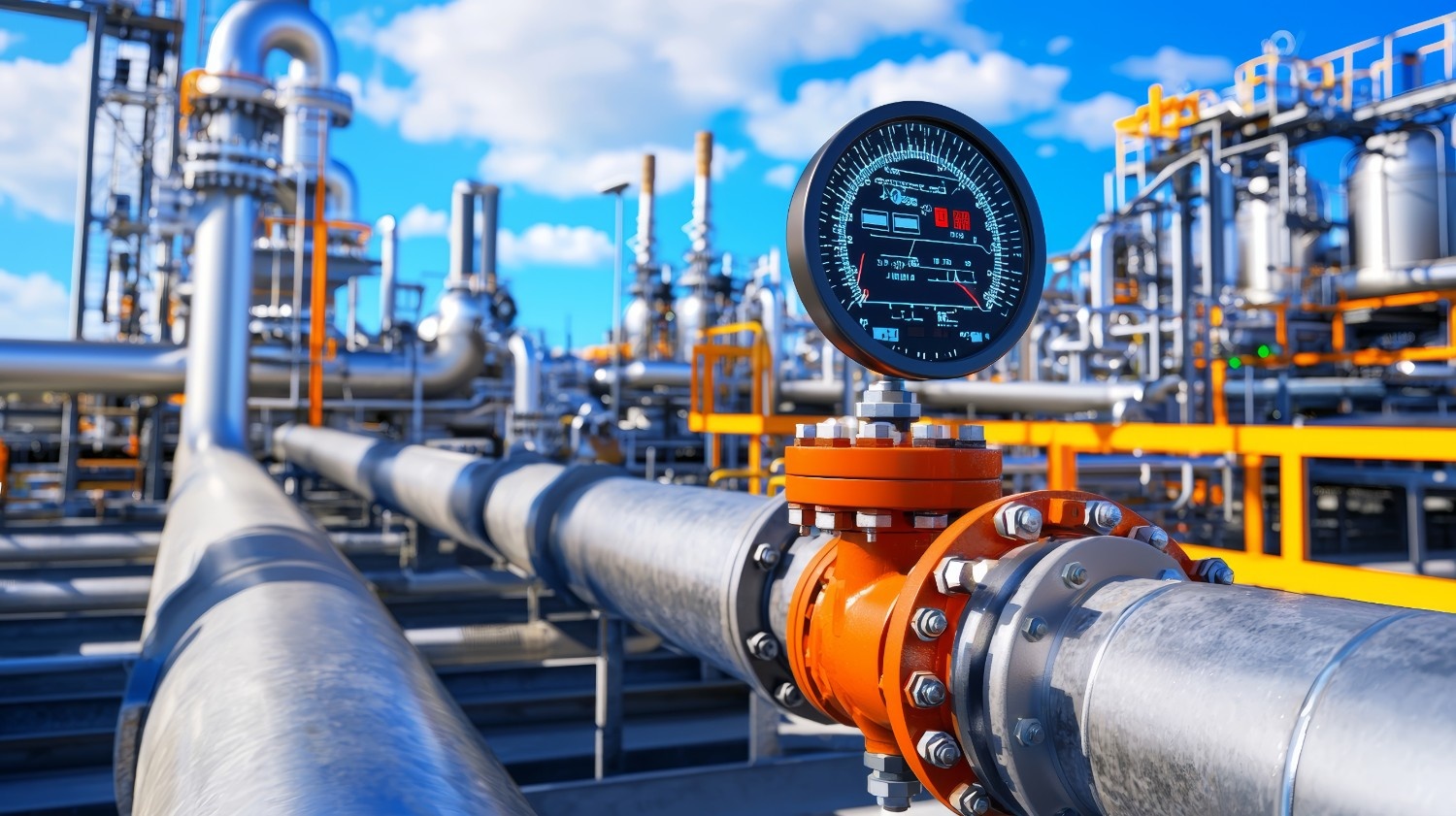
LNG, or liquefied natural gas, remains a crucial piece of the energy future for both countries. Recent deals have seen Chinese companies invest directly in Indian LNG ports in Gujarat and Andhra Pradesh, and feed into new pan-Asian pipeline projects. By August, the BRICS as a group accounted for over 32% of global gas production, with India and China leading in new infrastructure. Importantly, shared financing in local currency is reducing the impact of dollar fluctuations. By taking joint ownership, companies are working together to defend against market shocks while steadily expanding access to clean fuel.
Solar Power Is Where Things Get Truly Exciting
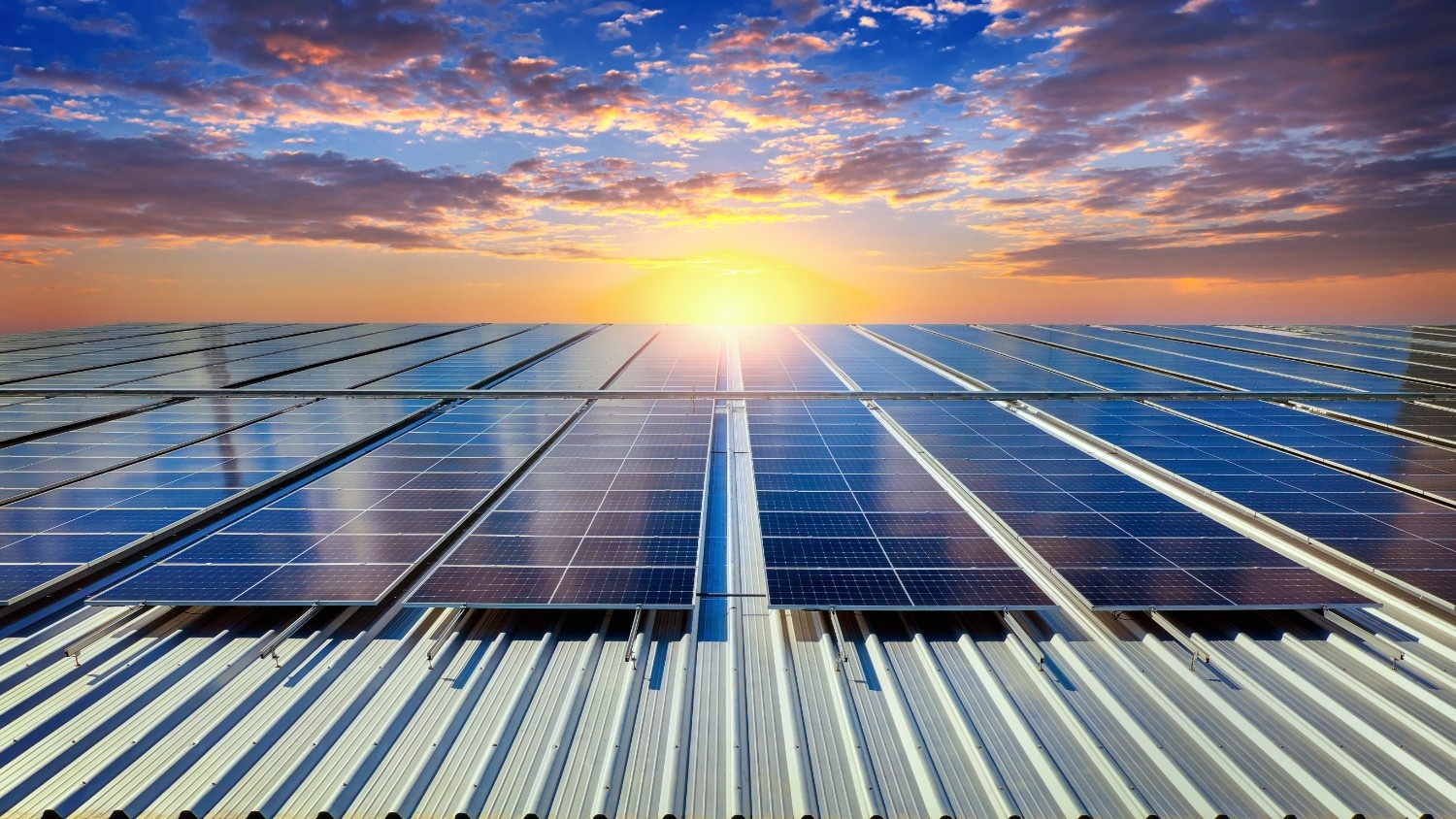
India has more than doubled its grid capacity over the last 10 years, becoming the world’s third-largest producer of both solar and wind power. But those panels aren’t just bought from China; they’re built through joint ventures. Chinese manufacturers and Indian partners in Surat and Noida are setting production records together, linking up through BRICS innovation hubs and patent pools. That’s let India start exporting not just solar panels, but management software and design expertise to other BRICS countries like Brazil and South Africa. Batteries and Storage: The Joint Venture Formula Battery storage is the backbone of a modern green grid, and this year India and China have expanded shared financing in big ways.
Andhra Pradesh’s 300 MW solar-plus-storage plant, funded by both sides, now powers more than 600,000 homes and uses a high-voltage grid connection built with Chinese technology and Indian software.
The BRICS roadmap emphasizes battery innovation over the next three years. You’ll find Chinese partners offering advanced lithium cell designs. At the same time, Indian engineers focus on system balancing and plug-and-play microgrids. The BRICS Model: Shared Challenges, Shared Opportunity. BRICS is no longer just a club for policy debates. As of 2025, it includes ten member states and influences the energy future of half the planet.
India will host next year’s clean energy gathering to share new models and lessons from its own battery and solar boom.
What Makes These Joint Ventures Work?
Cross-border financing through the New Development Bank, technical centers for clean hydrogen, and modular production lines built across the region. Through innovation, India and China are showing that shared ownership creates resilience and long-term growth. Where the Road Might Get Bumpy. Not everything is easy. National carbon regulation varies from country to country, and financing timelines sometimes stretch longer than planned. But the overall trajectory is clear. By pooling resources for R&D and production, both sides gain stability and flexibility.
New supply networks set up under BRICS rules also benefit other emerging economies. Plugged in and ready for tomorrow, looking at 2025, it’s remarkable how fast the transition is moving from competition to collaboration. BRICS joint ventures have shifted the conversation by encouraging shared ownership of next-generation clean energy projects. India and China are setting a pace that the rest of the world is closely watching, thanks to improved integration, co-investment, and strategic partnerships.
The next stage of green growth will be based on collaborative building rather than individual purchases.