
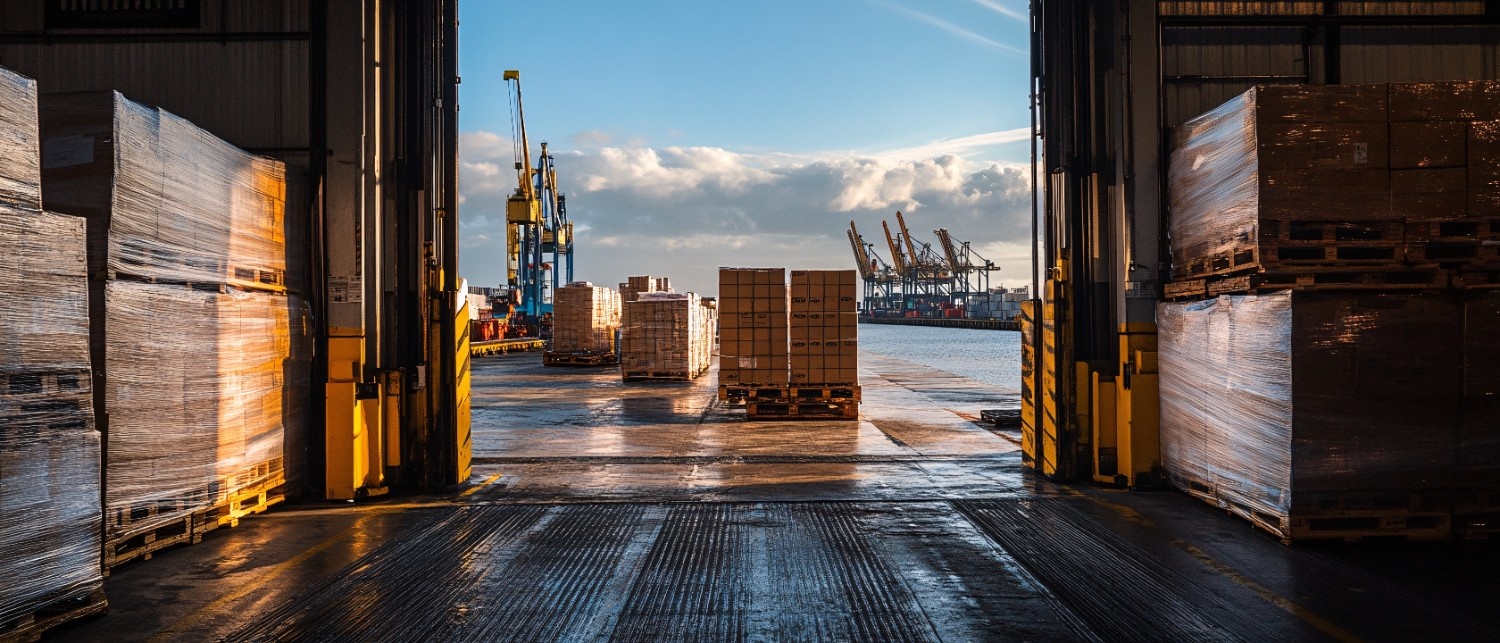
Warehousing is often swamped with buzzwords like blockchain, AI, and even last-mile delivery. However, should you speak to anyone in logistics, they will tell you: the key to any supply chain is a good warehouse. In 2025, that’s truer than ever. Warehouses are not mere storage sheds; they are towers of critical control that direct the movement of inventory, fulfilment, and resilience in a world full of surprises.
The reason Why Warehousing Still Reigns Supreme
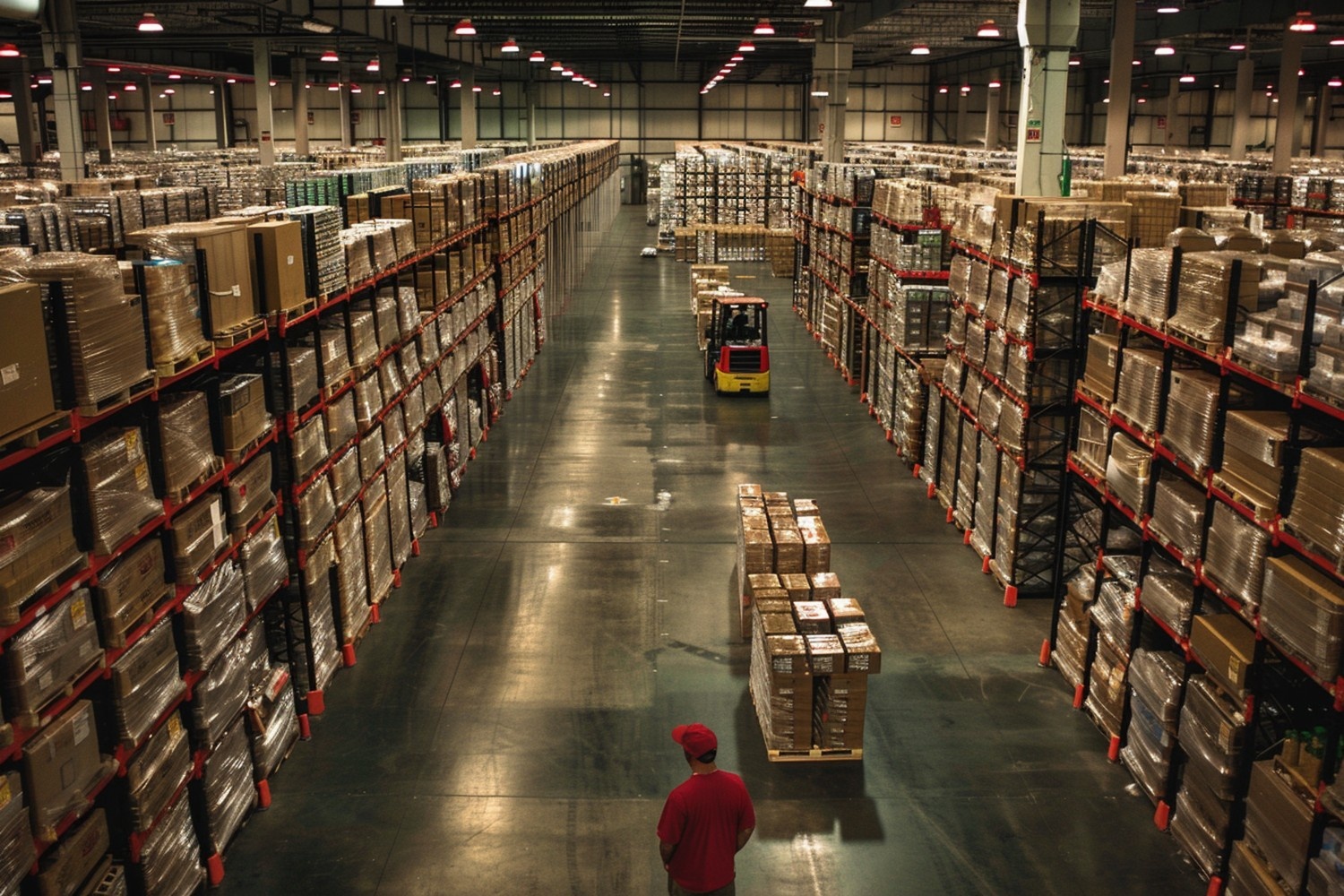
When you imagine a supply chain, you may imagine a train of shipping containers, chirping trucks, or robots that leverage the latest technologies whizzing overhead to a distribution center. The warehouse is what keeps the entire operation thumping. It is the major node, in which all manufacturers, retailers, and consumers are linked, where goods are stored, sorted, dispatched, occasionally packed, and pre-prepared for the next move.
All the other things cannot stand without this hub. Just consider it: the extremely smooth online store will not be able to deliver to the doorstep the next day, when goods are distributed randomly, are out of stock, and are lost during delivery. Warehousing introduces a sense of certainty, visibility and flexibility into the fast-paced environment of international trade.
Essentials of a Modern Supply Chain Warehousing
Inventory Management: Warehouses are not meant to be used as box piles. These are strong command centers, facilitated by Warehouse Management Systems (WMS) and automation. These systems will enable businesses to follow stock levels, the current location of products, and product movement in the system in real time in 2025. You are interested in reducing overstocking and stockouts, which are deemed expensive. It starts at the warehouse.
Order Fulfillment: Warehouses spring to action when a customer is buying. Advanced picking, packing, and sorting deliver the appropriate product to the appropriate place, among others, and in a timely manner. Robotics, automation, and artificial intelligence reduce human error, increase speed, and give businesses the flexibility to respond to customers’ current high demands.
Quality Control and Value-Added Services: Contemporary warehouses do not merely store; they add value through activities such as assembling, kitting, repacking, and even simple repair. Quality controls ensure flaws are detected before they reach customers, helping your brand avoid unnecessary returns that can be very costly.
Location Optimization: Properly located warehouses reduce the transit time, lower shipping expenses, and simplify returns on the part of the customers. Companies select sites in 2025 in data-driven ways, tracking demand hotspots, seeking access to transport hubs, and even considering the so-called pop-up warehouses or micro-warehouses in urban centers.
Peak season? Unexpected import boom? The supply chain is provided with the flexibility and capacity to increase or reduce by warehouses as required. The growth in warehousing leasing rates exceeded 4% per annum in 2025, indicative of retailers’ demand to frontload inventory in advance of a market or regulatory change.
How Warehousing Pushes Supply Chain Resiliency in 2025?
The actuality of recent supply chain shocks, such as port closures, worker strikes, or abrupt tariff hikes, has placed warehousing on the center stage. Instead of panicking, businesses that are ahead of the curve in 2025 are storing inventory in robust, intelligent warehouses that facilitate the flow of goods. This means:
- Prepare stock ahead of anticipated inconveniences. Warehouses are insurance policies as they allow companies to endure the storm.
- Live tracking can be used to swap allocation routes in real time, preventing pinch points that may occur when a route is snarled.
- The multi-site strategies spread the risk; in case a problem occurred at a single warehouse, the entire chain would not collapse.
The Tech Revolution: Warehousing Is Smarter
In 2025, warehouse lighting is filled with conveyor belts powered by electricity, RFID scanners to scan inventory in real time, and AI-directed robots to sort and pick orders with jaw-dropping accuracy. Recent statistics indicate that about 90% of the best 500 firms in the world operate automated WMS to enable real-time visibility, predictive analytics, and minimize mistakes.
Sustainability is also important. The leaders in warehousing are investing on solar panels, recycled building materials and electric fleets to do an on-site transport. Green warehousing is no longer a PR initiative but a must-have activity by most of the retail giants in relating with suppliers across the globe.
The Future: 2025 Warehousing Trends and Industry Statistics
The pressure on flexible warehousing is currently growing: temporary leasing, space sharing, and on-order fulfilment services can enable brands to make changes without substantial capital investments.
North America and Europe have never had more warehouse space per capita than before, while India and Southeast Asia are rapidly gaining ground as booming hubs of digital retail. Cold storage warehousing is in high demand among investors in online grocery and healthcare, with a growth of 9% per year. Up to 20% of speed in last-mile delivery can be observed in companies espoused to micro-warehousing.
Why Warehousing Is a Cost Strategic Advantage, Not a Cost?
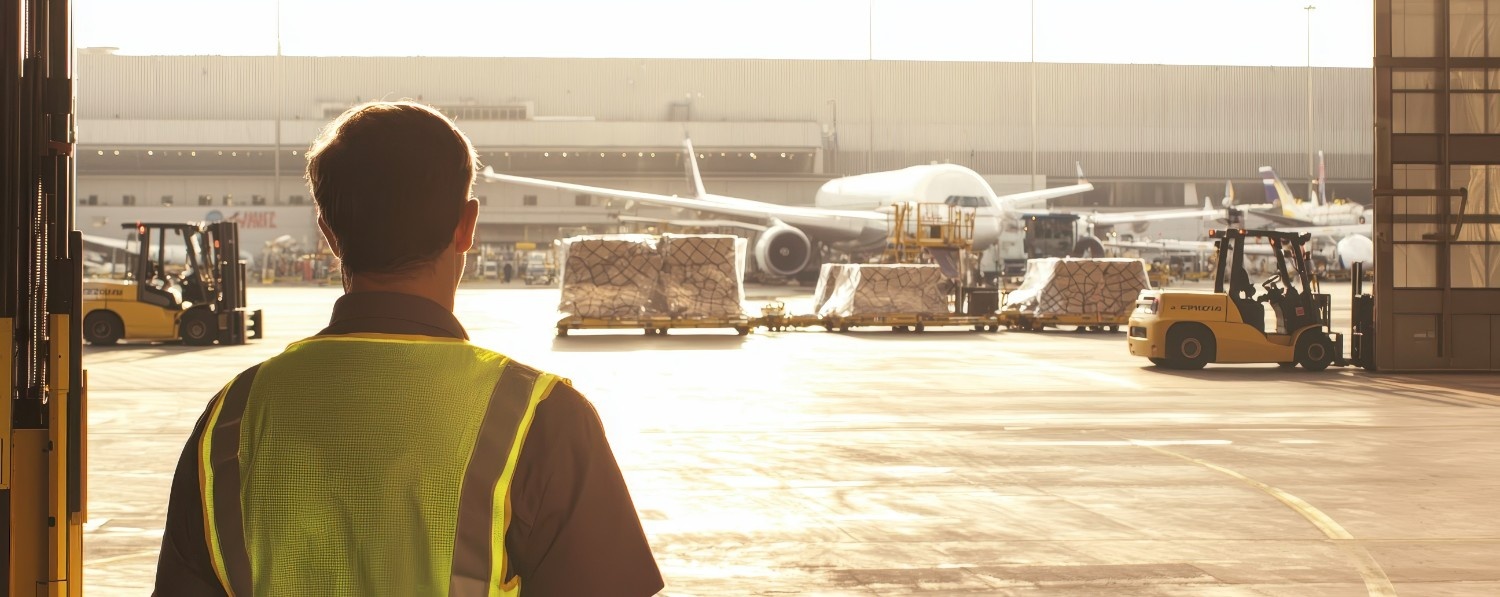
Logisticians understand that overhead is far more than warehousing. It’s a competitive weapon. The ideal facilities drive lightning-fast fulfilment, open up mass-procurement efficiencies, and enable agile response to needs. Buffer stock held in warehouses in case of emergencies, seasonal peaks, and the testing ground in case of new market launch.
It is not easy to retail, merely because retailers like Amazon and Walmart are investing billions in warehousing as part of their strategic reach. The hubs, micro-fulfilment centers, and smart distribution networks: products are made closer to customers, reducing delivery times and beating competitors.
Final Thoughts
You can begin by developing your warehousing strategy to build an agile, resilient, and future-focused supply chain. Both international giants and start-ups, a smart, scalable, and sustainable warehouse investment will always be paying. It is where products are sitting till their turn, brands get customer loyalty, companies keep ahead of change- in any market, any season.
Recycling and energy recapture systems are the order of the day in warehouses. The traditional model, known as take-make-dispose, is being replaced by the new model, known as reduce-reuse-recover, making supply chains sustainable ecosystems.