
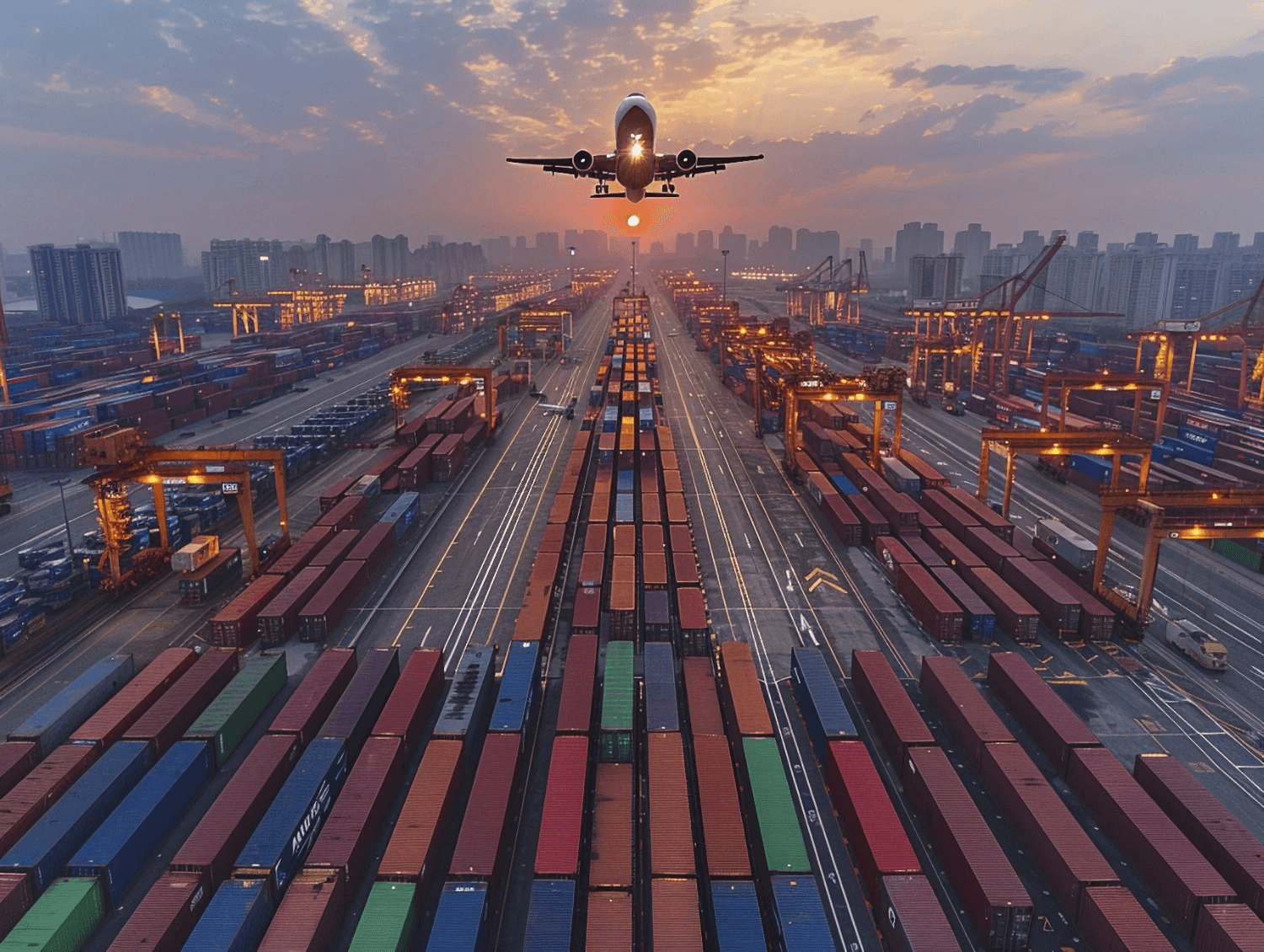
Almost everything you can see today runs on freight forwarding. Although you may not have heard the word, it is at work on your behalf, behind the scenes, enabling your recent online purchase, your phone, and even your groceries to cross continents. The freight forwarders are indeed the backbone of global trade in 2025, when the world will be both smaller and bigger at the same time.

The Knowledge about Freight Forwarding: The Unrewarded Hero
Freight forwarding is the coordination of the delivery of goods from their origin to their destination in its most basic form. It sounds so easy, yet it is a high-stakes game, where air, sea, rail, and road transportation have to take a step across borders and a variety of regulatory obstacles on their way. Whenever you ship a container of electronics out of Shenzhen to New York, say, it is a freight forwarder who ensures the proper paperwork is in place, negotiates the shipping rates, and closely monitors your shipment, kilometer by kilometer, throughout the trip.
Complexity is one reason why freight forwarding is such a big issue in 2025. The world market flows have never been more complex and faster. Having generated more than 178 billion in worldwide freight forwarding revenue this year, and expected to increase to close to 250 billion by 2034, this sector is a driver in an age of e-commerce, fast demand, geopolitical changes, and climate change.
Digital Transformation: Paperwork to Platforms
In the recent past, freight forwarding was mountains of paperwork, endless calls, and hope-for-the-best monitoring. Those days are fading fast. Digital innovation is the heart of the industry in 2025. Imaginative AI-driven route optimization, real-time IoT tracking sensors, and blockchain-based shipment verification platforms.
Organizations that are adopting these tools are reducing costs, reducing delivery time, and providing end-to-end visibility into shipments. For digital-first freight forwarders, the latest market findings show average cost savings of up to 30%, which can break or make a business in the current, very narrow market.
Flexibility to Global Trade Shocks
The lesson the pandemic taught the logistics world is that disruptions can happen at any moment, and resilience is invaluable. In 2025, nearshoring, or bringing production to their customers, is being adopted by companies, and risk-resistant, agile supply chains are being built. Freight forwarders do not just transport goods. They construct these pipelines, improvise on the spot when vessels are grounded in canals, and change the route at the shortest notice. The new gold standard is flexibility.
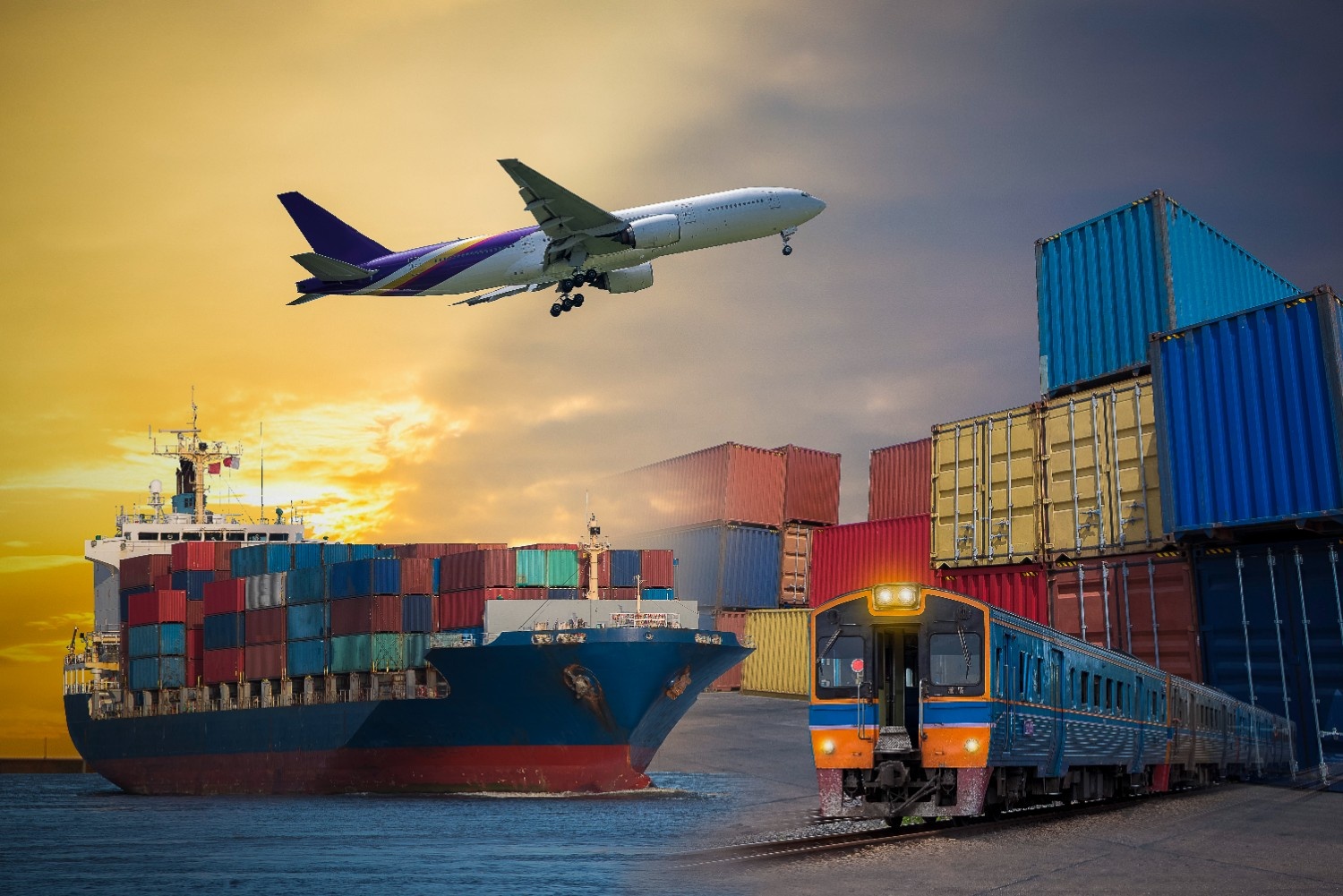
The New Rules of Winning in Supply Chain Management
It is not only about technology that one will win the ecosystem in 2025. It is the view of the big picture, agility and a people-cantered approach over process. Good common sense and data-driven plans are the order of the day. Firms are becoming more homogeneous in their computation of costs-to-serve; that is, they are considering all the costs associated with serving you, not only in the store but at all points along the way.
Besides, companies are augmenting their risk management strategies. That might mean maintaining additional safety stock (even in an era when the business world has become obsessed with the concept of just-in-time), building alternative supplier relationships, and tracing all levels of their supply chain to identify latent vulnerabilities before problems arise. It’s not paranoia. It’s resilience.
The Importance of Supply Chain Management to Everybody
Have you ever been in a long queue at the cashier, only to hear, ‘We are sold out’? Or has realized that your brand of choice is now boasting about environmentally friendly packaging or responsible sourcing? Supply chain management influences these moments. The more businesses can do SCM, the more they can propose the products you want, when and how you want them, and do so in a sustainable, secure, and affordable manner. It is also interesting that the global supply chain management software market will reach a high of $31 billion by 2025 due to further digital transformation. There is a lot at stake, and finally, companies are finding SCM as a strategic pillar and not a logical hurdle.
Scale and Influence: The Industry Giants Moving Freight Forwarding
The rankings available globally this year reflect the size and scope of key providers. Chinese company Sinotrans tops the list with almost 4.9 million containers served, surpassing its previous competitors, Kuehne + Nagel and DHL, both of which handle millions of containers individually. Such a transformation is an indication that freight forwarding is also a gauge of economic strength across the globe, and the Asian influence is expanding at an alarming pace in its magnitude and digital capacity.
Nevertheless, the great names are mixed with agile regional forwarding companies that exist on the basis of profound knowledge and personal contacts. The lesson? Reliability is more important than technology.
E-Commerce and Final-Mile Problems
So why should freight forwarding interest the average shopper? And every promise you make, a click-to-delivery promise on the internet, is because highly intelligent supply chains have been arranged by forwarders. The e-commerce boom that the world witnessed demanded massive spending by the freight companies in terms of last-mile innovations- consider micro-fulfilment centers, electric vehicles, and 24/7 real-time tracking apps.
As e-commerce is currently driving the fastest growth in freight forwarding, numerous firms are moving to multimodal solutions that integrate sea, air, and land routes to deliver the highest levels of flexibility and efficiency. The fact that we have the present-day expectation of two-day shipping would simply not be possible without freight forwarders at the helm.
Sustainability: The Competitive Differentiator
The concept of sustainability is transforming the whole logistics environment. In 2025, forwarders are not simply transporting boxes. They are at the head of the movement to electric fleets, carbon-neutral shipping, and smarter route planning to reduce environmental footprints. To many people, adhering to new rules and increased customer sensitivity is as vital as price or speed.
Such choices as using less-emission types of transport, investing in green technology, and demanding green packaging are not a fad. They are necessary to attract new business and meet global standards.
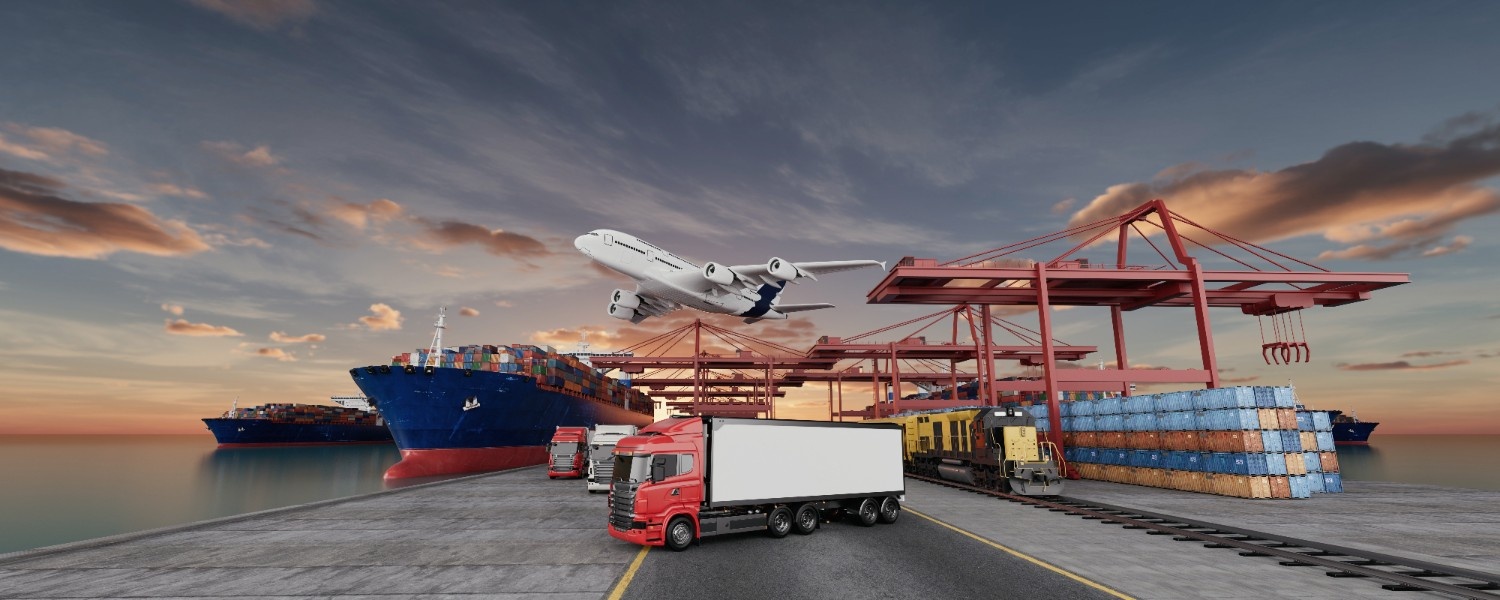
Finding Your Way Through the 2025 Landscape of Freight Forwarding
Naturally, it does not go without a hitch. A volatile world trade is also characterized by trade in 2025 slowing in certain areas, booming at high rates in others, and uncertainty regarding trade policies and economic cycles. The freight forwarding sector is projected to decline by 1.1% this year, after which it will grow steadily throughout the decade. The winners? Providers of operational perfection, data versatility, and uninterrupted flexibility.
The Importance of Freight Forwarders
Whatever the location, you see that freight forwarding has influenced your day, your choices, and even your expectations. This sector is not only the cornerstone of world trade but also, in 2025, a vibrant, constantly evolving ecosystem that combines tradition and technology, local experience with global experience, and stability with innovation.