
Clearing customs might look like an unpleasant event, but it is one of the most exciting and thrilling experiences in the journey of any shipment that crosses a border. Are you wondering what happens backstage in 2025 logistics? This is your backstage ticket, and you can expect technology trends, new regulations, and live world delays.
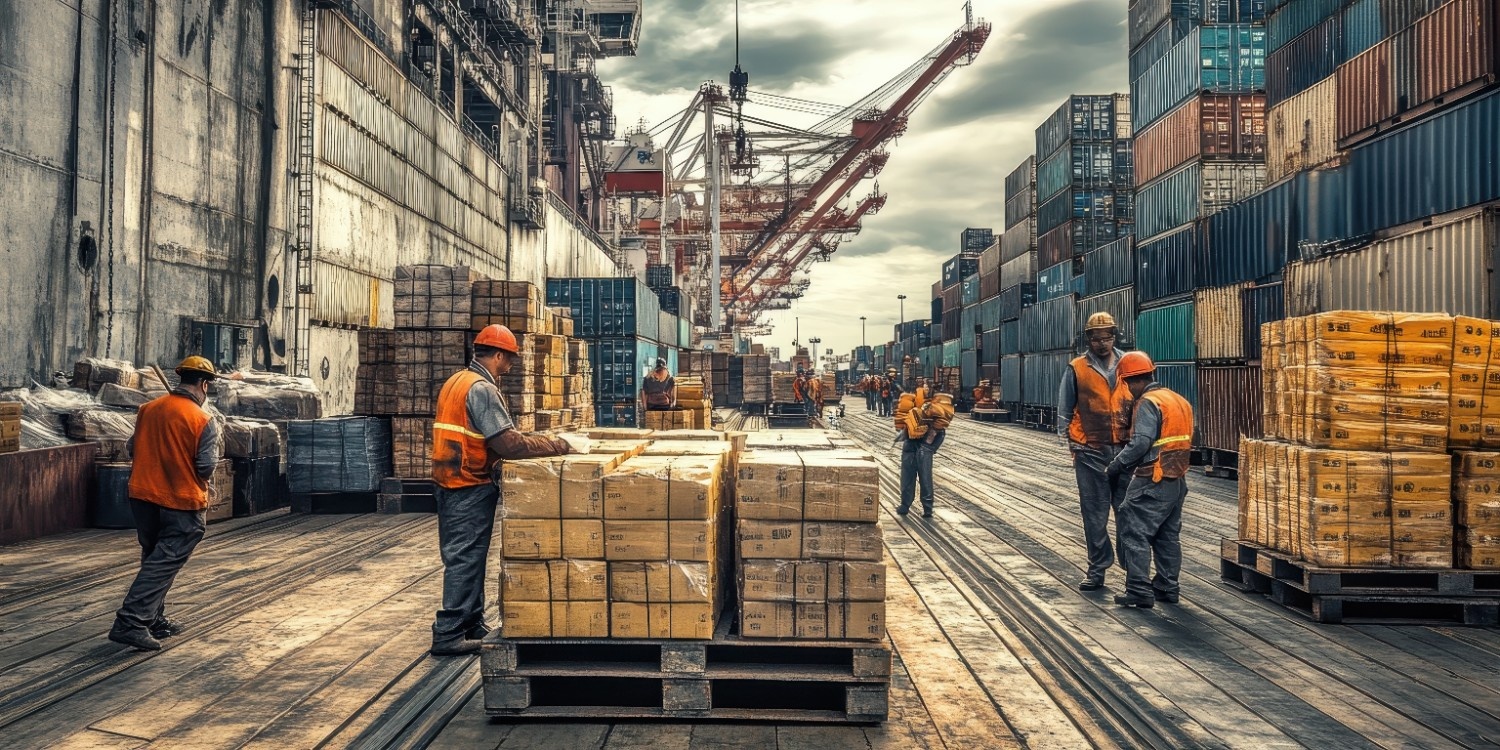
So, What Is It That Actually Occurs During Customs Clearance?
Intermodal transportation refers to the transit of freight by two or more distinct modes of transportation, including sea, rail, road, and air, with a single container or trailer and without the freight being handled at any stage in between processes. Imagine it as a relay race in which the baton (your cargo) remains in the same vessel, but which is transported over the various legs of the route by other runners (transport modes).
The elegance is in the streamlining. The long haul is cost-effective in ocean freight, inland routes are efficient in rail, and the final mile to the warehouse or the door of the customer is made possible by trucks.
Stages: Process of Modern Customs Clearance.
Let’s divide it into the manner that a professional customs broker would do it:
Arrival and Document Check
Your consignment is delivered. Customs today are digitally enabled to enable pre-arrival screening, which accelerates the first-time processing. Anticipate filing a commercial invoice, packing list, bill of lading/air waybill, and certificates of origin/safety as required.
Risk Inspection and Assessment
Trade authorities conduct automated risk response on advanced data analytics and, to a growing extent, artificial intelligence. Approximately 7 out of 100 goods are cleared without further inspection (only paperwork), but flagged cargoes – e.g., random inspection, suspicious goods, incomplete shipment details – are sent to physical inspection or scanning. By 2025, e-filing and e-payment solutions will be implemented in India and other leading importing countries, reducing time loss caused by paper-based solutions.
Duties & Taxes Assessment
Customs calculates the duties and taxes based on the proclaimed worth, origin, product group (HS Code), and on any contemporary trade transactions. Any mistake on this part can lead to audits or punishments of some form, and hence, the greater part of the accuracy. Preferential trade agreements, which are used more and more actively, can be reduced to your duties, however, only in the case of the clarity of documentation.
Payment and Release
Due to your shipping arrangement, you or your broker will pay duties, taxes, and any inspection fees. When the cargo is paid and closed off, the customs delivery. Delays occur when documents are not provided, duties are not paid, and the goods are red-flagged as non-compliant.
The Future of Customs Clearance in 2025?
The big evolution? Digitization. To the majority of the importers, the process of clearing of their goods is an online affair. Governments are implementing combined digital systems and platforms so you can access them from your office (or even your phone) to file, check the status, and even pay taxes. It is particularly so for high-volume shippers and AEO (Authorized Economic Operator)- certified shippers, who receive priority clearance, fewer inspections, and less hassle when documenting. AEO-certified major Indian importers have far exceeded 40% and enjoy faster clearance as a competitive advantage.
More Stringent Compliance and Sustainability Regulations
Do not attempt to conceal yourself with empty words. Customs agencies are imposing heavy penalties in 2025 for misclassified goods, imprecise descriptions, or absent documentation. Sustainability is also important — increasingly popular custom forms must include environmental or ESG statements. When there is a mismatch between your product and packaging, you may encounter snags and perhaps be denied import.
Isolated and Computerized Traditions
The direction is toward centralizing customs providers and consolidating data. To enable businesses to track duties paid in each market in real time, admissions, documentation, and compliance records can be unified and collocated and made available to them. This strategy facilitates a good contingency strategy, improved sourcing, and optimization of inventory.
Artificial intelligence is also improving, enabling authorities to conduct urgent threat analyses and routine clearances in just an hour, a speed that has grown by at least 50% day by day since just a year ago, only to attract more governments to machine learning.
How Long Does It All Take?
With proper paperwork clearance for your documents, the basic level can be cleared in 1 to 3 days. However, it can be extended by a week or so very simply due to hiccups (such as random inspections, lack of permits, and red tape) that are genuinely considered nuisances. New 2025 on-arrival clearance regulations in India have minimized the waiting times of up to seven days – provided all the requirements are satisfied- to ensure the businesses maintain the supply chain moving.
What Can Go Wrong?
It is really easy to be wrong:
- Missing or wrong documents? Delays or even lost cargo could be expected.
- Inaccurately classified HS codes or under-priced products? Ferocious fines or seizure of shipment.
- Failure to adhere to regulations? In some cases, cargo is destroyed or rejected.
A case in point: A large Indian electronics importer was slapped with a two-week stay of proceedings and fines after government officials discovered a lost permit on a new type of lithium battery. It is only due to the fact that a single type of form had gone unnoticed during electronic filing.
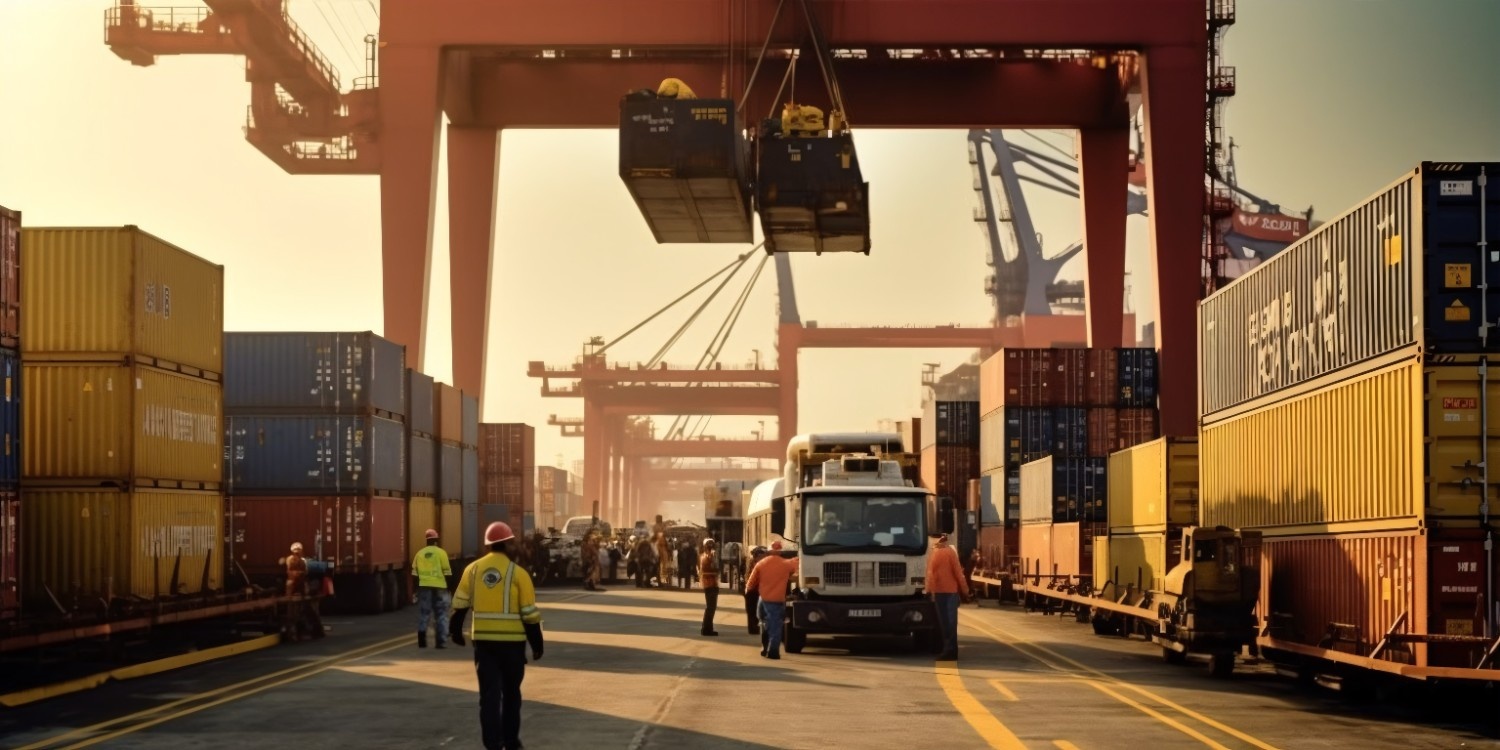
The Best Suggestions To Make Customs Clearance in 2025 Easier
- Check twice: Use an approved customs agent, provided that you do not feel a hundred percent sure.
- Adopt technology: Track status in real time with online tracking, digital platforms, and automated notifications.
- Invest in compliance: Educate your employees and associates on new policies and related documents on a regular basis.
- Aim to become AEO: This is the best method to accelerate in 2025, in case you are importing on a regular basis.
- Get ready to be green: Be ready to keep ESG records and collaborate with suppliers who adopt environmentally friendly practices.
Final Thoughts
Not only is 2025 customs clearance merely bureaucracy, but it is a living organism that is rapidly modernizing, a welcome development for international trade. Get it right, and your products will run well, the customers will be satisfied, and your brand will suffer no harm. Overlook the details, and you risk long, possibly expensive upheavals, sour relations, and fissures in red tape. In a digital age where business travels at a digital pace, learning to approach first-hand customs is an art, and an asset that no guileless company can afford to disregard.