
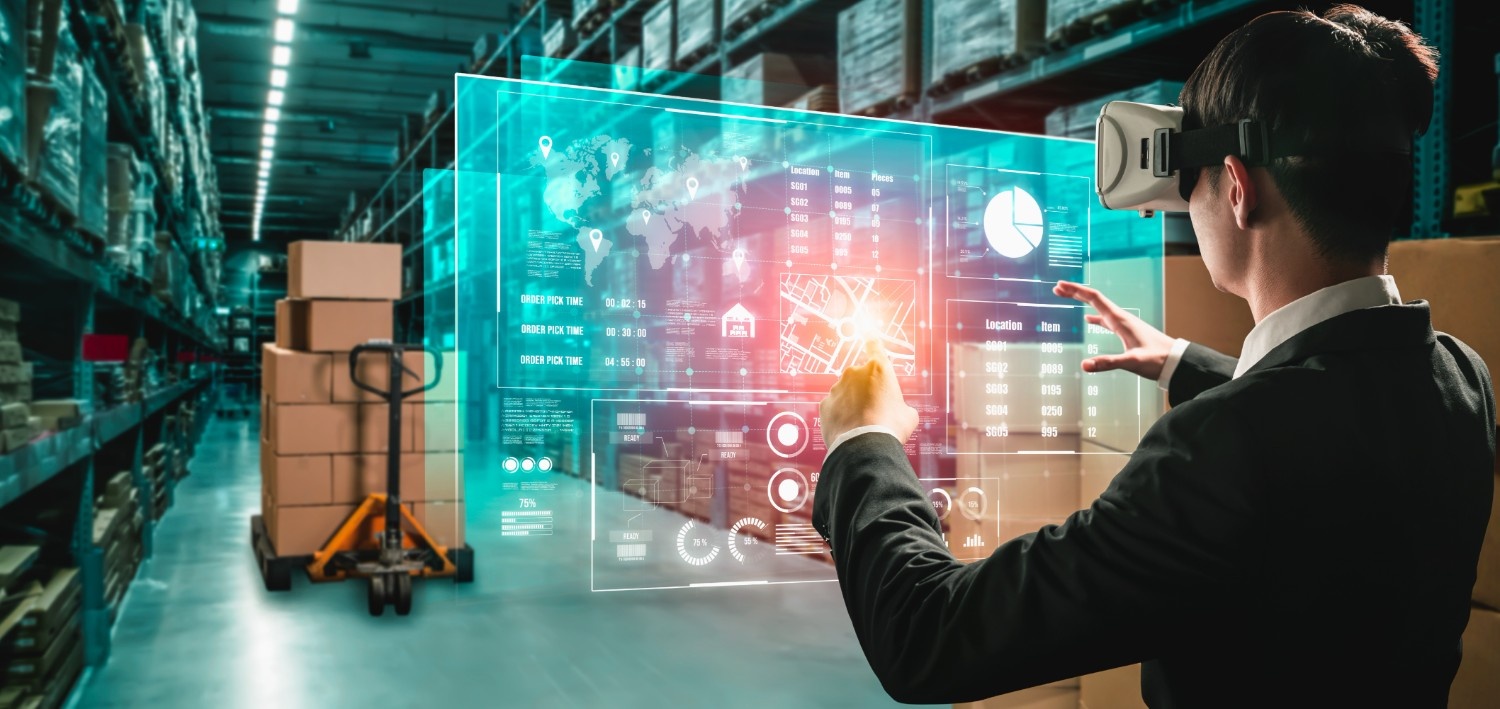
The logistics industry accounts for almost 12% of global GDP and is estimated at 10.7 trillion in 2025. As trade networks become increasingly complex and customer demands grow more challenging, businesses are implementing new technologies to turn their supply chains into agile, resilient, and transparent entities.
The future will be of those who integrate digital innovation with data-driven insights. We shall examine the major technologies that will transform logistics in 2025.
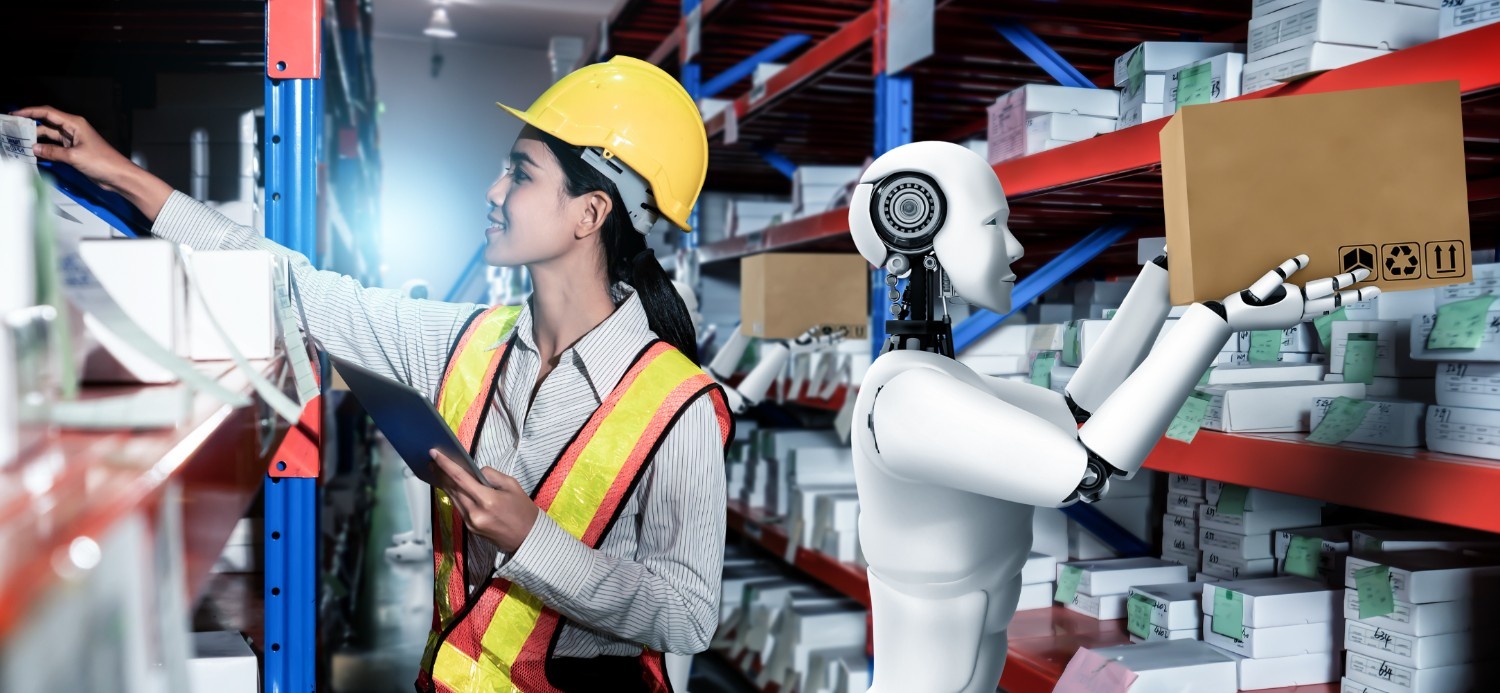
Artificial Intelligence: The Brain of the Logistics of the Modern World
This is because logistics is the body and AI is the brain. Everything is now powered by Artificial Intelligence, demand prediction, route planning, foresight maintenance, and customer experience.
IDC states that AI-driven predictive analytics increased logistics savings by up to 15% and increased delivery accuracy by 35% in 2025. The technology assists businesses in making sense of complex data, such as fuel prices, traffic trends, and weather, to determine the most suitable routes or to forecast supply chain disruptions before they occur.
To illustrate, Maersk uses AI-driven scheduling software that constantly optimizes routes allowing it to save tens of millions of dollars yearly on fuel and also reducing its emissions by 50% annually.
The broader application of AI to warehouse automation is also significant because machine learning models not only manage inventory placement but also predict when additional products are needed and automatically order goods. It is also changing the way logistics is approached, from reactive decision-making to proactive intelligence.
Internet of Things (IoT): The Eyes and Ears of the Supply Chain
Consider having known about each shipment, its temperature, and whether it was violently shaken during delivery. And there is the Internet of Things.
More than 75 billion IoT devices will track goods in global supply chains by 2025. The IoT sensors installed in containers, trucks, and warehouses can give real-time information about the location, humidity, and temperature, and enable logistics managers to be ahead of possible spoilage or damage.
The following is a real-life scenario: IoT is used in cold chain logistics, where machines track medicines and other perishables to maintain a specific temperature. When the level does not conform, alerts are received immediately, prompting corrective measures before product loss.
The payoff? More openness, less conflict, more confidence between shippers, carriers and customers.
Blockchain: Logistics Transparency and Trust
In complexity comes paperwork, and traditionally logistics has been replete with it. Introduce blockchain, a technology that made it easy to conduct trade across borders, keep records, and comply.
By 2025, decentralized ledger systems of blockchain will enable various parties to access verified records in real time without intermediaries such as manufacturers, freight forwarders, customs officers, and buyers. This implies reduced conflicts, fewer fraud cases, and increased clearances.
Consider the TradeLens platform of IBM and Maersk. It digitizes shipping certificates worldwide using blockchain. By mid-2025, TradeLens had already handled more than 1.2 billion shipping events. They reduced the average delivery time of participating companies by three days.
The logistics companies are also achieving sustainability goals through blockchain, ensuring carbon offset projects are verified and verifying green compliance in supply chains.
Trailing: Automation and Robotics: Driving the Modern Warehouse
You enter a contemporary warehouse nowadays, and you are likely to find more robots than humans.
The BarCloud 2025 report shows that robots currently handle 20% of all tasks in a warehouse, providing speed, precision, and overall capacity. They are the logistics workhorses, sorting, packing, palletizing, and even handling last-mile deliveries.
AMRs are self-driving robots that move around the warehouse, guided by sensors and real-time data. At the same time, robotic arms handle heavy lifting with almost zero error.
The Amazon RoboHub 2025 initiative, which uses AI-enabled robots to pick, pack, and ship goods without human operators, reduces processing time by up to 40%. Quite the contrary, automation liberates employees to focus on safety controls, analytics, and customer service.
Drones and Autonomous Vehicles: A Rebirth of Transportation
The use of driverless trucks and drones is not futuristic in 2025, it is a reality.
There are already autonomous vehicles that deliver goods between ports and distribution centers that are more secure and minimize downtimes due to the shortage of drivers. An example is the electric Semi trucks of Tesla, which currently run semi-autonomously in North America and are able to save logistics costs (as much as 18%).
In the meantime, it is projected that drones will perform 15% of last-mile deliveries in urban areas worldwide by the close of 2025.
Find Your Inventory Strategy: Not so Much, Not so Little
Without computing power, connectivity does not exist. Any modern smart logistics operation is based on cloud platforms. By 2025, close to 60% of supply chains use cloud applications in their planning, tracking, and decision-making.
Supplier, carrier, and customer real-time collaboration Cloud-based systems enable easy collaboration between suppliers, carriers, and customers and ensure that data warehouses, ports, and trucks are connected to one single picture.
Big Data analytics will be a new layer, which will allow companies to infer actionable insights based on the millions of transactions. As an illustration, predictive analytics assists the retailers to plan their promotional campaigns based on available inventory to maximize the sales but restrain overstocking.
Digital Twins: Recreating Supply Chains in a Virtual Environment
Digital twins- the virtual imitations of real-life objects- have become massive in 2025. The use of digital twins is assisting the logistics managers to simulate their operations before making decisions in the real world.
They generate a digital representation of a warehouse, shipping path or supply chain as a whole, which gives teams the chance to simulate possible issues and locate the most suitable solutions without interruption. McKinsey (2025 tech outlook) found that companies that employed digital twins had a 25% less downtime, and had faster recovery in case of disruption.
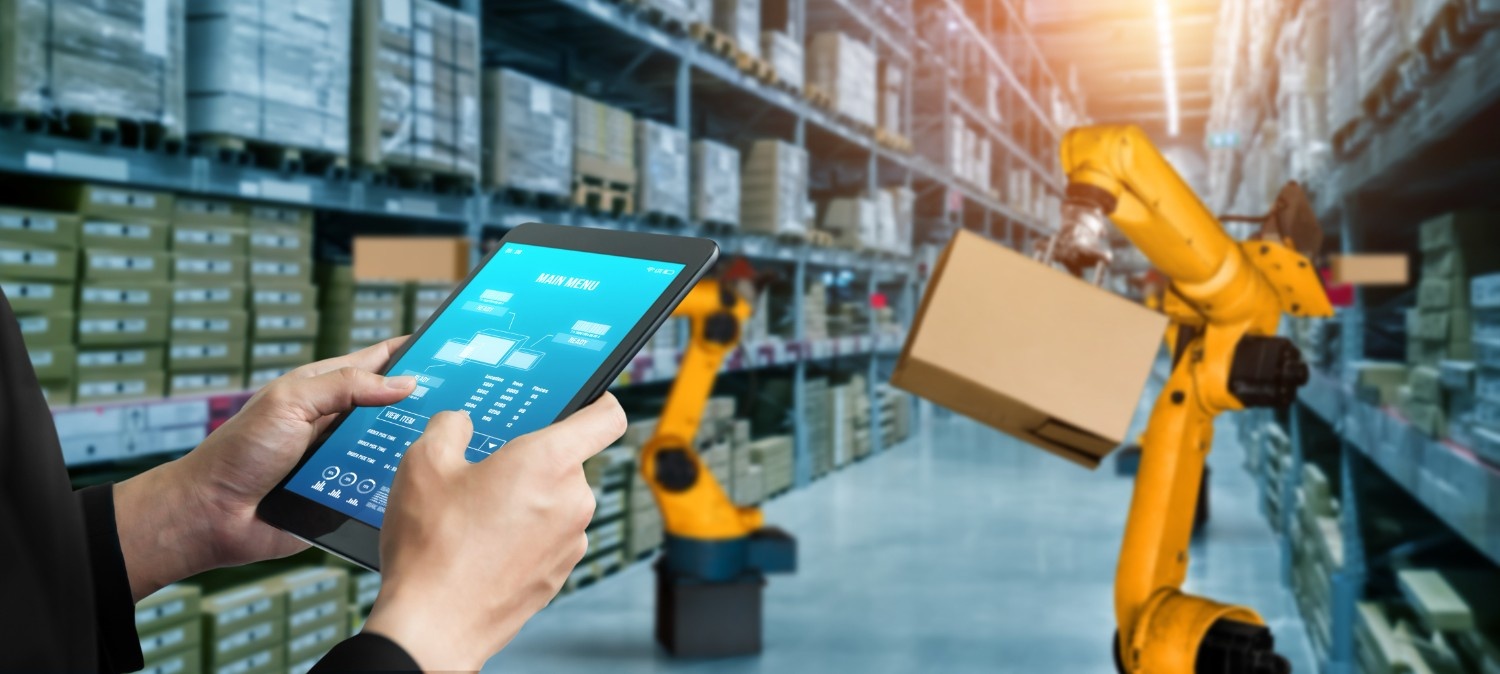
Sustainability Tech: The Green Engine Room of Logistics
Any discussion of logistics technology in the year 2025 cannot be done without the mention of sustainability. Eco-initiatives have taken the form of tech-driven business and government solutions such as electric fleets, AI route optimization, and smart packaging solutions that reduce carbon emissions.
One area where IoT is assisting logistics companies is in the reduction of delivery emissions, which is approximately 20% worldwide with the use of IoT-aided route optimization. In the meantime, predictive inventory systems are minimizing wastage through overproduction.
Final Thoughts
Logistics has been turned smarter, leaner and more resilient than ever before thanks to technology. It is a rewiring of an industry that was characterized by paperwork and bottlenecks to an automated system of intelligence, real-time visibility, and automation.
And yet here is the great truth: it is not the matter of substitution. It is about giving them the power to make all decisions quicker, most deliveries smoother, and all miles greener. The logistics leaders of 2025 are not only users of tech but also integrators, combining innovation and experience to take the world forward.