
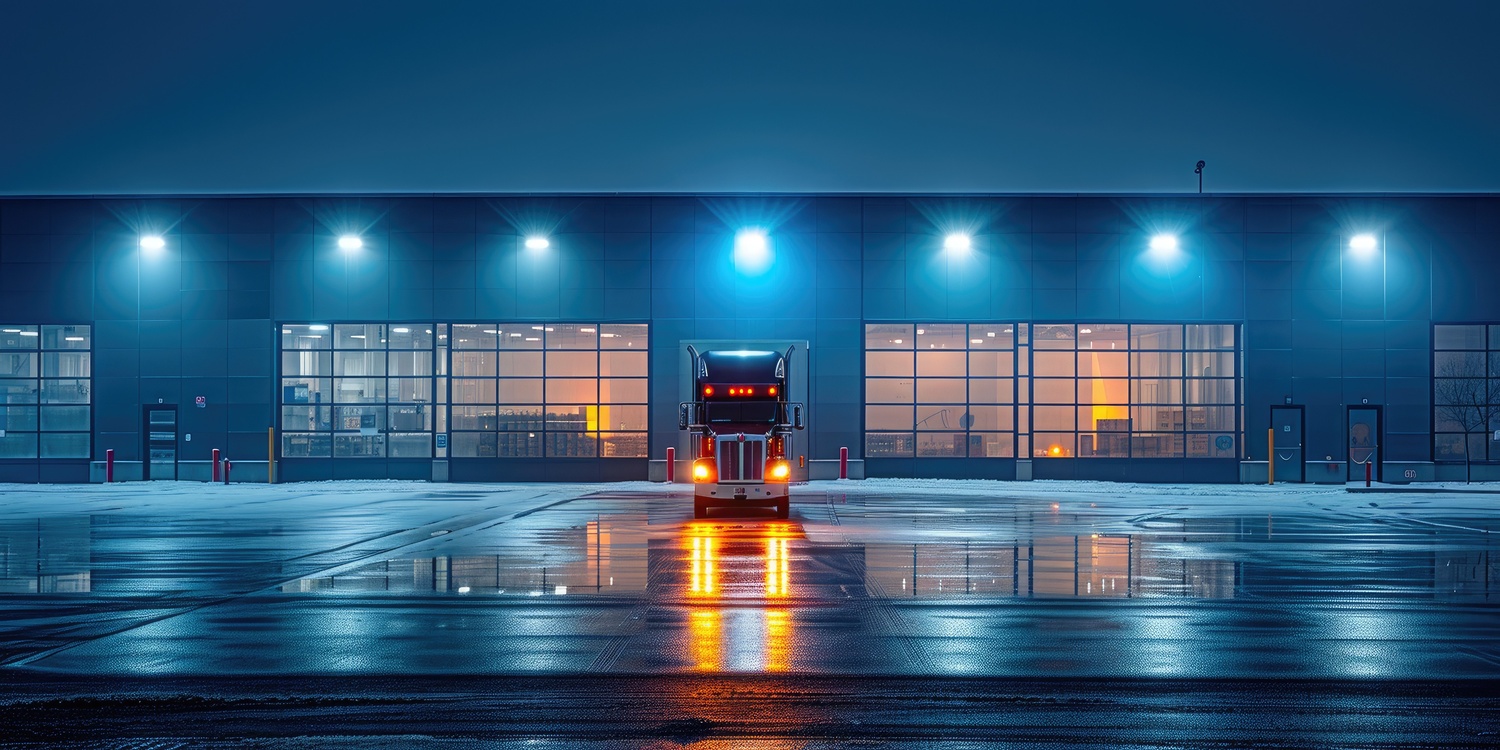
Warehouses will no longer be massive structures full of pallets and forklifts but they will remain the unsung heroes of the supply chain revolution in 2025. With the world trade keeping pace, the right type of warehouse will or will not make or break your logistics, your costs and even your customer relations. Ok, but what are these warehouses and what do they actually do? It is time to have a new examination with information supported knowledge and stories on the ground.
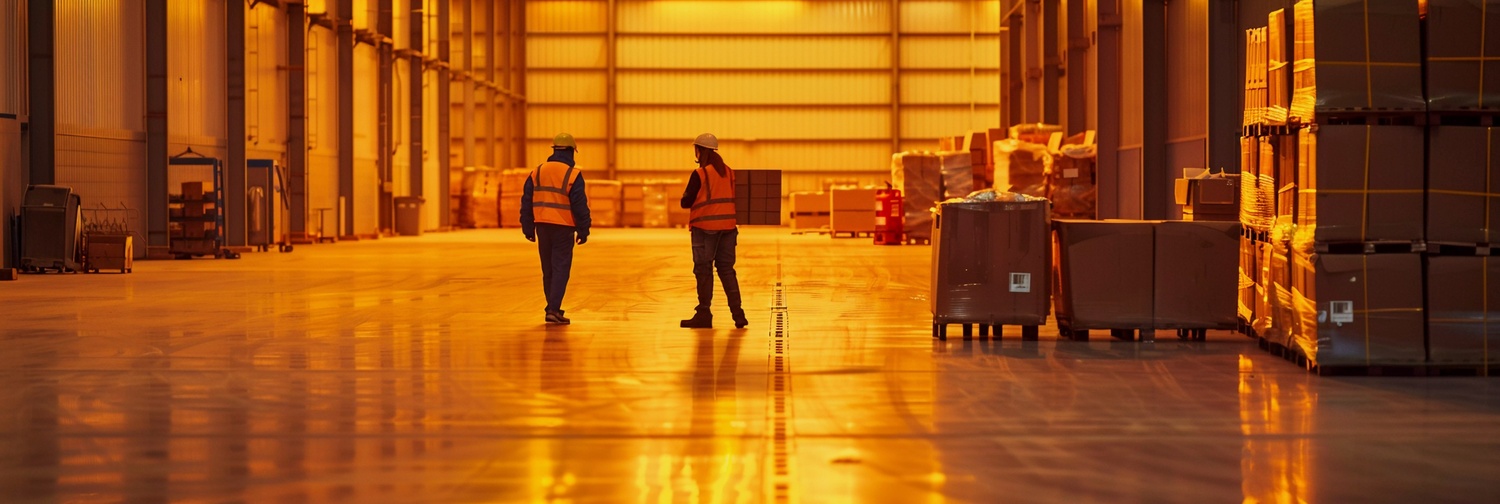
What is the reason for knowing about different warehouses?
Choosing an inappropriate kind of warehouse is like putting sports tires on a tractor. Your business can either come to a halt, get into losses or get late. In the modern hectic digital retailing world, the issue of choosing an appropriate warehouse that fits your industry, inventory, and development stage is not a box you can keep on the list of logistics but rather a key tactic towards resistance and customer satisfaction.
Warehouses: Privately Constructed to Be Controlled
Manufacturers, importers or larger online sellers own or lease privately large warehouses, which they desire to have complete control over their inventory. They are frequently located in large manufacturing hubs or around major ports, are packed to the brim with proprietary technology, high automation, and highly skilled labor forces.
Companies choose to have their own facilities so that they can be sure of reliability or high sales volumes but initial expenses may be high. FMCG giants and autos have their own facilities to match the production with the demand in the market, which means that they do not face the situation of being out of high turnover items.
Public Warehouses: cost effective and flexible
The go to modalities is public warehouses, which are used by emerging brands, small importers and companies that address the seasonal waves. These warehouses are run by third party enterprises which rent by the space or pallet and include the basic storage, and in some cases documentation and insurance as well.
The emergence of e-commerce in 2025 has boosted the model of public warehousing. In 2025, online brands adopting the flexible pick-and-pay storage have over 40 per cent new online brands, as both are emerging and scaled-up or scaled-down, respectively.
Distribution Centers: The Land of Speed
Contemplate a beehive moving around all day long. That’s a distribution center. The hubs, unlike traditional warehouses that were constructed to store goods on a long-term basis, are aimed at the movement of goods in and out within a short period. Imagine the city centers of Amazon or Flipkart that receive and handle thousands of orders an hour, dispatching the product to the consumer in record time.
Distribution centers are placed in locations nearer to consumers and retail shops as well as deploy advanced order management to reduce delivery periods. These are the facilities that enable you to get next-day delivery in case that is the target that you are seeking.
Attached Warehouses: Customs Control Powered
A bonded warehouse will become your best friend in case you are importing goods in the country and you are not ready to pay the duties. These are the facilities that are tax-free until you are ready to ship or sell the goods as imports, which are under the supervision of the customs authority.
Most of the multinationals hire bonded warehouses in order to distribute the duty payment and reduce cash stored up in stock. The regulatory compliance and flexibility of the bonded operations will be more important than ever as the global trade experiences unstable tariffs in 2025.
The Climate-Controlled Warehouses: Ideal in Sensitive Goods
Food. Pharma. High-end cosmetics. All of them require certain environmental factors in order to be safe and legal. Warehouses with climate control are specifically designed in order to maintain a stable temperature and humidity.
The demand in this sector increased by 9% in 2025 with India, Southeast Asia, and the Middle East ranked as the top demand-driven sectors in response to the cold chain logistics to support food security and vaccine handling. These warehouses have IoT sensors to monitor 24/7, green cooling, and stringent access protocols that provide protection of perishable and sensitive products between farm and shelf.
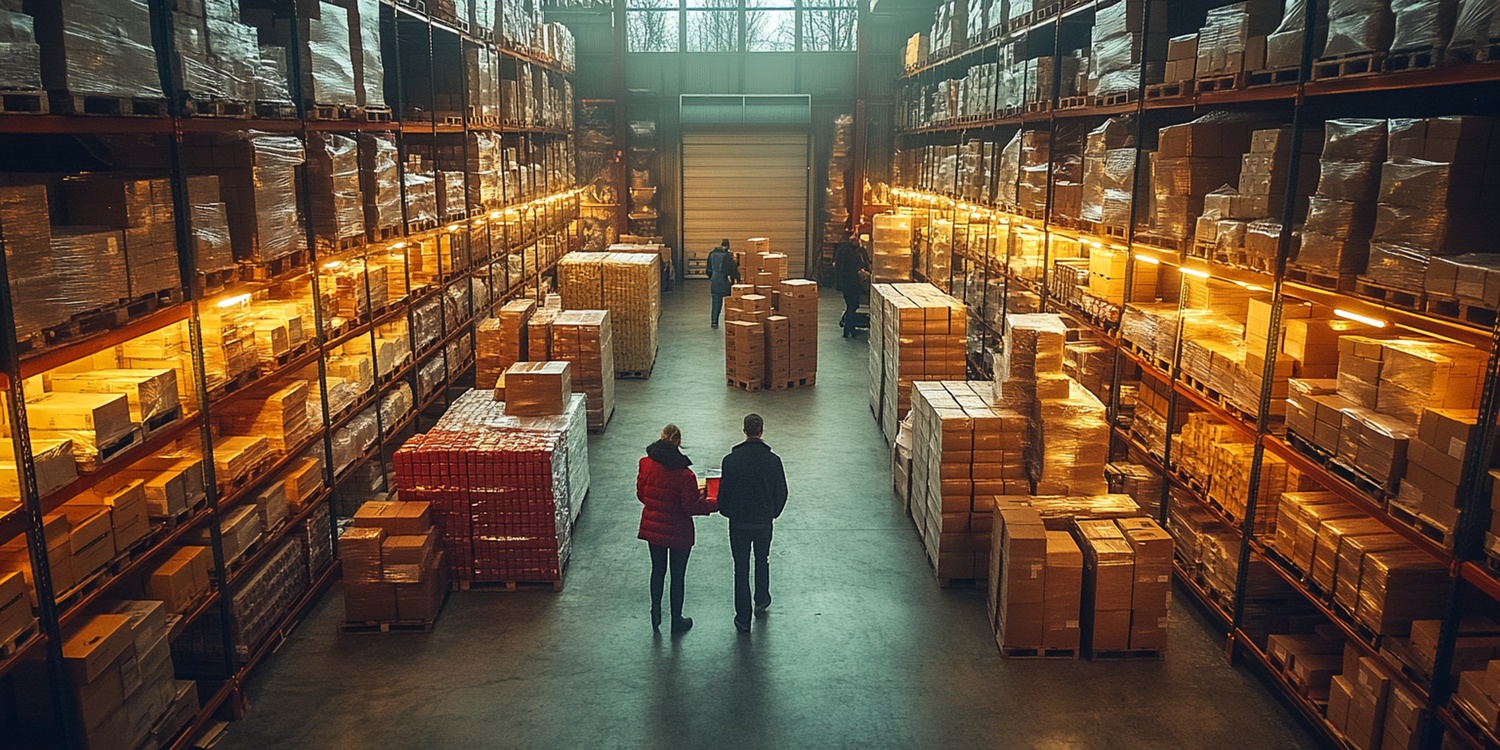
Government Warehouses- Public Good Safety Nets
Government-operated warehouses are not the slickest-looking, but silent watchdogs of the common good. They are commonly used in storing food grains, fertilizers or as a reserve storage during emergencies and therefore can provide low cost storage or subsidized storage to farmers and cooperatives. In situations of underutilization, the governments can even lease the space to the business and this is a win situation.
The Contemporary Warehouse Blend: What is the Trend of the Day?
Some trends are defining what we demand of any warehouse:
- Automation and robotics are currently ahead of the game, and the leading e-commerce warehouses use smart conveyor belts, picker bots and AI-based WMS.
- Urban pop-up storage or micro-warehousing is a method of keeping inventory closer to locations of delivery hotspots, which reduces costs and last-mile delays.
- Pay-per-use warehousing is on demand, whereby a business only rents the space that it requires, and the time required.
- Sustainability is now an imperative: almost 70% of new warehouses of 2025 will have green roofs, solar-powered panels, or energy-efficient cooling.
Final Thoughts
There is no single-brand or two-brand product and product whose logistics requirements are exactly the same. That is why it is critical to know the numerous varieties of warehouses. No matter what goods you stock such as imported electronics, perishable vaccines, or ordinary T-shirts, there is a dedicated place that will cater to your business in the supply chain environment of 2025.
The competition of who can secure the most rapid, intelligent, and an environmentally-friendly logistics is making warehouses more of activity centers than a room where commodities are kept. It is worth looking out of four walls and seeing what modern warehousing can really achieve, in order to keep pace and be visible.