
In 2025, shipping will be faster, smarter, and sometimes a headache. Yet always is a wiser method to deal with problems as these come up, including delays, lost packages, or unexpected expenses. Being well-versed in the most common shipping problems (and best solutions) can help you conserve money, time, and silence whether you oversee a world supply chain, run an internet store, or simply appreciate getting to track your packages’ whereabouts.
What is Shipping’s Most Frequent Problems?
Let’s begin with the facts that the majority of businesses deal with on a daily basis:
1. Disruptions in the Supply Chain
Disruptions arrive fast and furious, from weather-related events and strikes to pandemic flu and geopolitics. It only takes a stuck ship or a plant closure to leave even storied brands reeling. Consider big events from the last few years: even the strongest supply chains continue to be buffeted by labor gaps, network glitches, and port logistics bottlenecks.
2. Rising Shipping Costs
Prices continue to rise because of a multitude of factors including fluctuating demand, additional control charges, climbing carrier charges, and expensive fuel. Passing these charges on to customers jeopardizes most companies’ market share along with customers’ loyalty.
3. Delay in Delivery
Everyone is irritated with late deliveries. Shipping packages routinely arrive days or even weeks later than anticipated due to port congestion, lack of equipment, blank sailings, and last-mile chokepoints.
4. Lost or Damaged Items
From incorrectly packed boxes to rough treatment on route, packages are lost, damaged, or sent astray at every turn. In 2025, physical retailers will be losing billions annually due to damaged returns from e-commerce.
5. Amendments to Regulations and Customs
Compliance delays as well as legal issues are induced due to fluctuating tariffs, rising stipulations for documentation, as well as unpredictable border policies. Shipping is delayed (and expensive) due to misconceptions regarding incoterms as well as compliance.
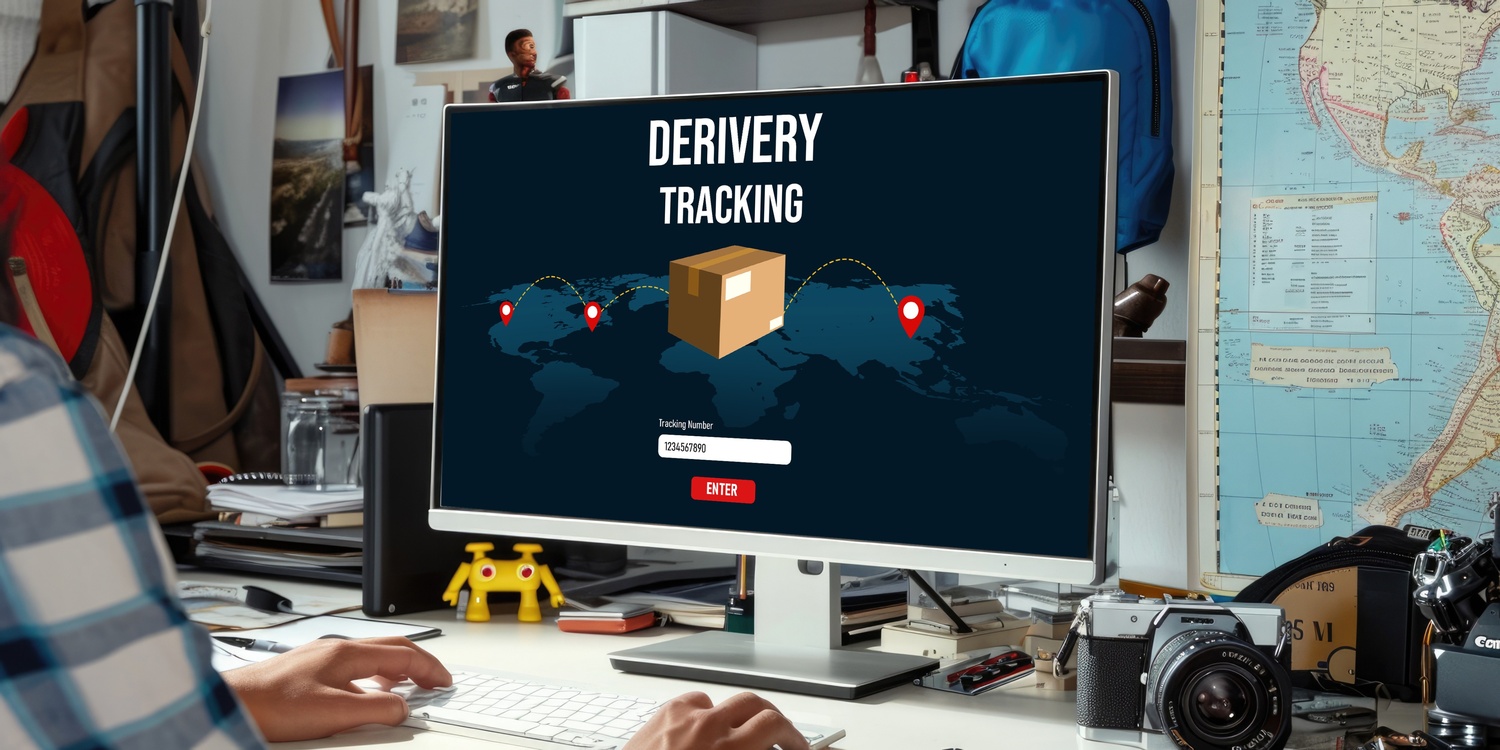
6. Ineffective tracking and customer service
Customers desire more than solely their package; they desire to be informed where it is, when it is to be delivered, as well as who to call in extreme situations. Companies are left rushing while customers are left impatient when tracking is stale and communication is lacking.
7. Issues with Combining Technology
Data error, service level mismatching, as well as gaps in visibility, are still possible in 2025 when bringing on board new digital systems, APIs, or warehouse platforms.
Advanced Tactics to Counter Shipping Delays in 2025
Now we would like to address solutions which are based on current trends in markets.
1. Expanding Your Carrier and Fulfilment Network
It’s risky to be dependent on a single carrier or site. In case you encounter problems, brands can quickly divert shipments through spreading inventory stock as well as partnering with multiple carriers. Single-point failures can be reduced and you can diversify quickly with regional fulfilment centers, distributed stock, as well as “carrier mix” strategies.
2. Embracing Real-Time Data and Technology
It is common logistics practice these days to invest in shipment track-and-trace technology, smart order routing, as well as portals that provide companies as well as customers with current information in real-time. To be ahead of disruptions, 78% of top transportation shippers in 2025 make use of AI-based route planning as well as dynamic inventory tracking.
3. Active Interaction
Transparency breeds confidence. Customers are regularly informed of delays, damages, or regulatory hitches through proactive email or SMS notification, real-time notification software, and overt escalation protocols. Even when it’s not good news, releasing news can help you preserve your reputation while alleviating your frustration.
4. Sophisticated Forecasting and Planning
In order to forecast spikes, shift from regular suppliers, and build buffer stock, employ demand planning software and forecasting analytics. In peak seasons, wise forecasting assists in guaranteeing availability, optimizing routes, and reducing wasteful expenditures.
5. Adaptive Shipping Mix and Price Optimization
Do not merely attempt to purchase cheaply. Look at your transportation expenses and negotiate shrewdly on contracts. In reducing your expenses without compromise on speed or dependability, tap regional carriers, consolidate your load, and investigate multi-mode solutions.
6. Packaging and Quality Control Enhancements
Perform quality checks prior to shipping, train employees on good practice, and upgrade packaging materials. Shipping that is tracked through sensors and inspection from data lower damage percentages and accelerate returns.
7. Remain Ahead of Regulatory Updates
Keep yourself updated with regulatory developments, incoterm changes, and Customs advancements. To ensure constant merchandise flow, deal with experienced brokers, introduce automated document control, and familiarize yourself with electronic Customs platforms.
Real-World Scenario: Blank Sailings and Port Congestion Solving Scenario:
Carrier schedule changes and overladen ports remain top delay causes in 2025. Shippers can shave hours or even days off individual shipments by factoring in alternate routing as part of their plans and employing congestion tracking software. Alternate sailing alerts or communication with other carriers directly ensures that cargo doesn’t linger ensures route in the possibility that a sailing is scrubbed.
Accepting Agility: Logistics’ New Normal
The future is supply chain agility. Leading are those organizations which have versatile, swiftly transforming logistics strategies rather than hard-programmed plans. It implies automatization, digitalization as well as empowerment of employees to respond quickly under unforeseen situations.
Final Thoughts
The above solutions are more readily available than ever in 2025, while shipping problems are far from over. Companies can counter difficulties with technology, long-term planning, and honest communication to turn barriers into competitive strength and keep flows going for products, confidence, and brands.