When defense readiness is discussed, the focus usually lands on aircraft, submarines, missiles, and advanced weapon systems. What rarely gets the same attention is the infrastructure that moves them. Behind every deployment, radar installation, offshore patrol, and modernization program lies a quieter force: ocean freight.
This maritime network enables scale, continuity, and resilience. It is the backbone that allows defense forces to operate globally, consistently, and securely.
For India, ocean freight has evolved from a support function into a strategic asset. As the country modernizes its defense capabilities and expands its renewable energy footprint, maritime logistics sits at the center of both ambitions.
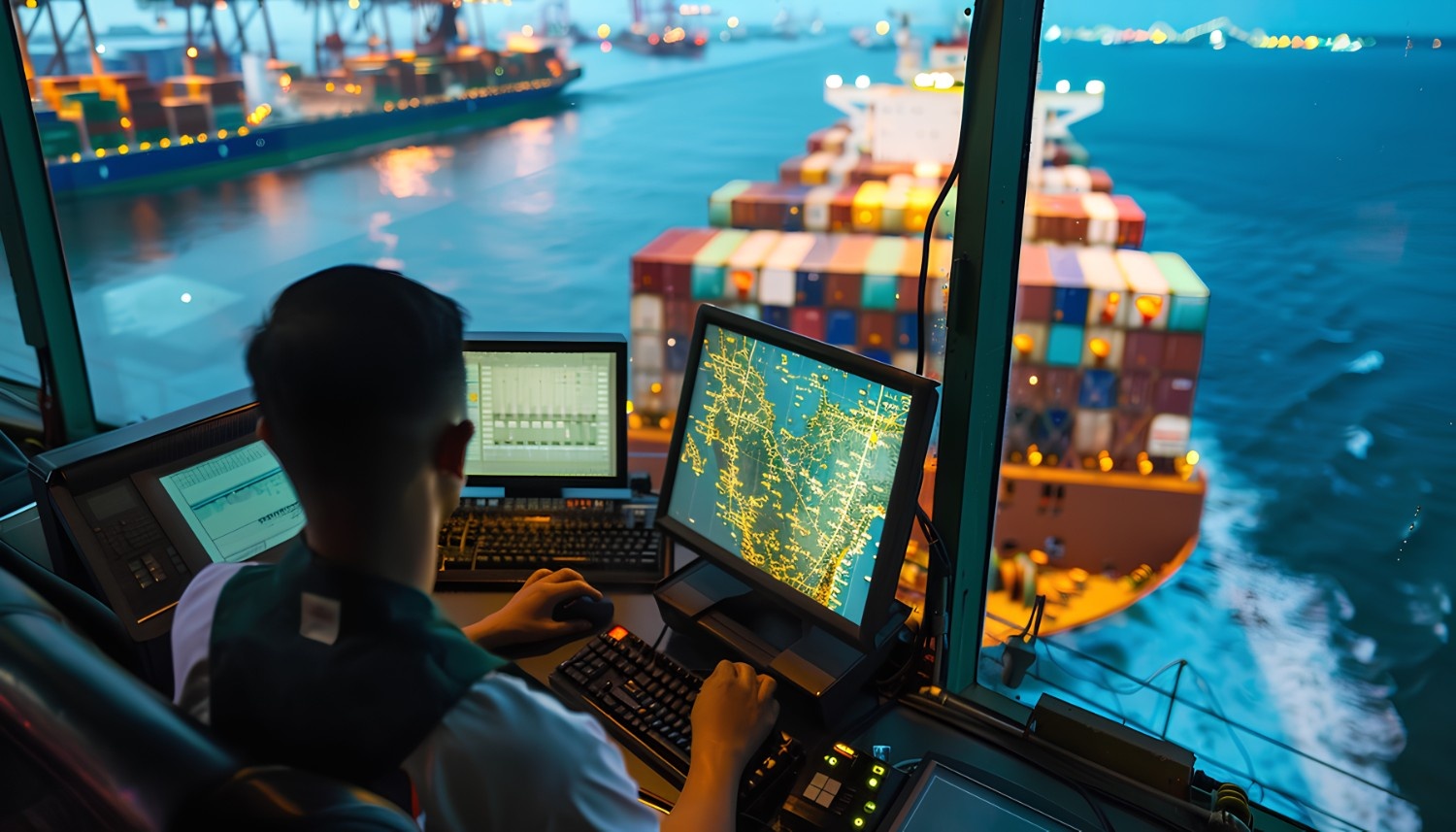
The Maritime Spine of Global Defense
Defense logistics demands three things above all: reliability, security, and predictability. While air and road transport offer speed, global defense supply chains continue to rely primarily on ocean freight.
The reason is simple. Sea freight can move what other modes cannot. Heavy vehicles, naval systems, turbines, structural modules, ammunition, and oversized machinery all depend on maritime routes. Ocean freight allows defense agencies to transport complex and high-value equipment across continents with efficiency and cost control that no other mode can match.
Equally important is strategic continuity. During geopolitical tensions or disruption of land corridors, maritime routes provide stability. For a country like India, with a long coastline, expanding port infrastructure, and growing naval presence, maritime logistics is both a tactical advantage and an economic necessity.
India’s Expanding Defense Logistics Landscape
India’s defense logistics ecosystem is undergoing rapid expansion. The market is estimated at USD 11.9 billion in 2024 and projected to reach USD 18.9 billion by 2030, growing at over 8.6 percent annually.
This growth is driven by increased investments in shipbuilding, missile programs, radar installations, aerospace manufacturing, and defense exports. Each of these programs depends on the precise movement of sensitive components across borders and through complex regulatory environments.
Modern defense logistics is no longer about transport alone. It requires coordination across ocean, road, rail, and inland waterways, supported by compliance expertise, real-time visibility, and contingency planning. This is where experienced freight forwarders become critical.
Freight Forwarders: Architects of Defense Logistics
In conventional trade, a freight forwarder arranges shipments. In defense logistics, a freight forwarder designs missions.
Handling defense cargo involves export controls, confidentiality, risk mitigation, and absolute adherence to protocol. Errors are not operational inconveniences. They are strategic failures.
Specialized freight forwarders ensure:
- Regulatory compliance across ITAR, EAR, DECCS, and dual-use frameworks, while safeguarding sensitive information
- Secure chain of custody through tamper-resistant handling, controlled access, and uninterrupted tracking
- Risk management via alternate routing, port security coordination, and redundancy planning
- Project cargo execution for oversized and high-value equipment such as armored vehicles, avionics, and missile systems
- Multimodal integration connecting ocean freight with inland logistics to reach remote deployment and manufacturing sites
This level of orchestration turns logistics into an enabler of national readiness rather than a backend function.

Triton Logistics & Maritime: Precision Built for Defense
Defense and aerospace logistics operate on trust, timing, and compliance. Triton Logistics & Maritime works at the intersection of all three.
The company supports the movement of sensitive cargo and mission-critical components through tailored ocean freight and project logistics solutions. Its experience spans naval systems, aircraft components, communication equipment, and specialized defense machinery that demand precision handling and strict confidentiality.
Triton’s strength lies in control. From route design and multimodal coordination to documentation and compliance management, each shipment is executed with the rigor expected by government agencies and defense contractors.
The focus is not speed alone, but certainty. Equipment arrives intact, compliant, and ready for deployment.
Ocean Freight and National Preparedness
Despite receiving less attention than air or road transport, ocean freight remains the most scalable and sustainable option for large-scale defense movements.
In India, ocean freight contributes over half of total forwarding revenue. This share is expected to grow as port modernization accelerates under initiatives such as Sagarmala and Maritime India Vision 2030, which aim to expand national port capacity to 3,000 MMTPA by 2030.
Triton’s ocean freight capabilities extend beyond conventional shipping and include:
- Full Container Load and Less Than Container Load management
- Buyers’ consolidation for cost-efficient movements
- Chartering and reefer logistics for specialized cargo
- Green ocean solutions aligned with sustainability goals
With a network spanning more than 1,000 ports across 190 countries, Triton ensures end-to-end visibility and security for defense consignments moving across global supply chains.
Where Defense and Renewable Energy Converge
India’s defense modernization and renewable energy expansion share a common logistical challenge. Both require the movement of large, heavy, and complex components over long distances with minimal margin for error.
Offshore wind projects, solar infrastructure, naval platforms, and aerospace systems all depend on the same maritime capabilities: heavy-lift handling, breakbulk expertise, port coordination, and engineered transport planning.
As India works toward achieving 50 percent of its energy capacity from non-fossil sources by 2030, maritime logistics will play a decisive role in connecting global suppliers with domestic project sites.
Triton’s experience in project cargo and complex maritime movements positions it naturally at this intersection. The ability to apply defense-grade discipline to renewable logistics reflects an understanding that infrastructure, energy, and security are increasingly interconnected.
Compliance and Intelligence in a Regulated World
Defense logistics operates under some of the world’s strictest regulatory frameworks. A single documentation error or compliance lapse can halt an entire program.
Triton supports international defense and aerospace movements with structured compliance processes covering ITAR, EAR, DECCS, and dual-use classifications. Each shipment is screened for sanctions exposure, intermediary risk, and regulatory alignment before execution.
Beyond compliance, Triton invests in visibility and intelligence. Digital tracking, secure data management, and route optimization tools provide traceability and accountability throughout the shipment lifecycle.
In defense logistics, visibility is not a convenience. It is a requirement.
India’s Maritime Opportunity
As India strengthens its naval capabilities, increases defense exports, and accelerates green infrastructure, reliance on maritime supply chains will only deepen.
Freight forwarders with strong ocean expertise and defense experience will shape this transition. Triton Logistics & Maritime operates across Asia, Europe, the Middle East, and the Americas, supporting inbound manufacturing logistics, outbound deployment, and long-term maintenance supply chains.
This lifecycle approach ensures readiness not just at the point of delivery, but across the operational life of complex defense assets.
Ocean Freight as a Strategic Enabler
In today’s defense and energy landscape, logistics is no longer a support function. It is strategy.
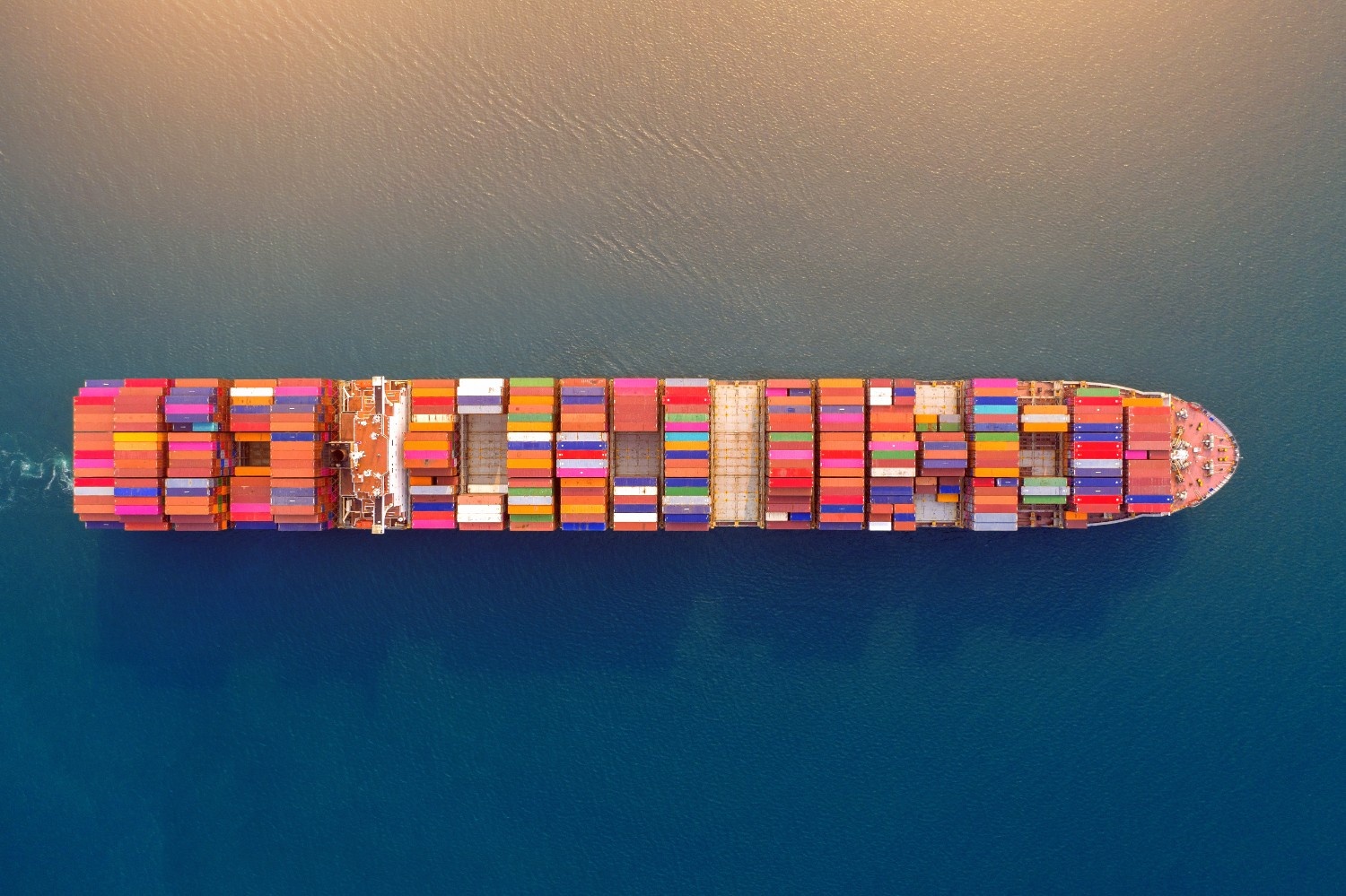
Ships and containers move more than cargo. They move capability, preparedness, and national intent.
As India’s defense and renewable ambitions continue to converge, ocean freight will remain the critical link between innovation and execution. Within this system, Triton Logistics & Maritime represents a model built on precision, compliance, and trust.
At Triton, ocean freight is not only about transportation.
It is about enabling missions.
It is about sustaining progress.
It is about navigating the future with discipline and foresight.